Sunday, February 28, 2021

Here's why VPN services are turning to WireGuard

When it comes to VPN services, everyone has their individual preferences, and the same is true of the protocols used to encrypt them.

OpenVPN and IPsec encryption protocols have long ruled the roost, but up-and-coming protocol WireGuard is proving that high levels of encryption can be had for less overhead.

We caught up with Daniel Sagi, COO at Kape Technologies, parent company of Private Internet Access, to find out about the value WireGuard can deliver and the company's approach to protocols going forward.

You’ve financially contributed to the WireGuard protocol and now all your desktop and mobile apps support the protocol. The mobile clients are still missing some features such as per-app connections. When will these be available and are there any other features that you are currently working on?

The split-tunneling feature is available on the Android version. Noting that iOS apps utilize Apple sandbox, changing the behavior of other apps is not supported. As a result, we currently do not implement this feature on iOS as it is a platform-specific limitation.

For the desktop clients we are currently working on a new network management feature The Network Management feature permits the users to create dedicated automation rules for each type of Network (wireless or wired, open or secure wi-fis). In this way, the PIA application will automatically connect or disconnect when the user connects to that particular Network in manner that the user had dedicated through the automation rule.

Do you plan to switch to WireGuard instead of OpenVPN by default?

We don't want to force anyone to use a specific protocol. We want to give our customers full control regarding the protocol setup and see this being an evolving decision with delivering the best service to a customer based on their needs.

To that end, we're clearly explaining the advantages of the Wireguard in dedicated intro screens from which they can activate it and will be looking at ways in the client to optimize automatically their recommended connection based on their preferences this year.

Can you tell us some of the advantages WireGuard offers over the venerable OpenVPN? What’s the advantage of having the WireGuard built directly into the Linux kernel for PIA users?

WireGuard is a new VPN protocol that was built after cryptography specialists studied OpenVPN and IPsec and came with a new design that improves the network stack used and also has a modern selection of encryption algorithms, which results in better transfer rates and faster connection times. Up to this point, WireGuard provides more stability and better speed.

All software that runs in "kernel space" will run faster and will consume less CPU power. The Linux kernel was the first kernel to receive support for WireGuard. Users that use the kernel module for WireGuard will probably experience better transfer rates (10% higher speeds for downloads), and will also get improved battery lifetime for their devices. We are excited to see the results when new Android devices will receive the WireGuard kernel module from the factory, and we hope Microsoft and Apple will also make a move into this direction to provide divers/modules for WireGuard, so that we can see the same improvement on all platforms.

You’ve put up the code of all your clients and extensions on GitHub. Is that just for auditing purposes? Or are you open to receiving contributions and bug fixes from external contributors as well?

Yes, we have all our clients' code on GitHub. We're doing this to permit a public auditing process. We're also continually discussing with our community, and we're even accepting Pull Requests for improvements and bug fixes from external contributors

Talking about bug fixes, some of your peers (most notably, ProtonVPN) have bug bounty programs as well. Do you have any such plans?

PIA was one of the first VPN providers to create a bespoke bug bounty program in November 2013 and will continue to look how we can extend the successful program further this year.

ProtonVPN has also had its code vetted by Mozilla. Open Sourcing the code is a positive step, but do you plan to invite auditors to comb through your code as well?  

Open-sourcing means that our code is open to anyone to audit at any time. Verify, not trust is an ethos and message we have used for a number of years. We welcome external validation and have been actively looking at this option for some time. We want to ensure that an audit is not just a badge that is bought - it is a verification you can trust.

Can you share some details about the servers that power the service? What OS/distro do they run? What security measures do you implement on the servers?

We are running Linux on the traffic nodes, with the following security measures:

  • All nodes are encrypted and a system verification is executed before decryption
  • All software on the servers is kept as new as possible; we have an automated upgrade process that keeps all nodes up to date.
  • All services are isolated via Linux namespaces and run from memory (the VPN services don't run from the disk)
  • MITM protection has been added for SSH connections (automatically checking fingerprints before connecting)

Since your clients are under GPLv3, do you plan to work with Linux distros to have them included in the official repos?

We have discussed other Linux packaging options such as offering DEB/RPM packages, but the obstacle to inclusion in official distro repos is that we’d have to pull all dependencies from the distribution - meaning we might not get the precise version of Qt we want. As a result we are still evaluating the option we wish to proceed with.

  • Here's our list of the best proxy services right now


from TechRadar - All the latest technology news https://ift.tt/2ZVISB1
via IFTTT https://ift.tt/eA8V8J

Amazon Luna first look: is Amazon's game streaming service worth trying?

Like so many of Amazon’s other projects, Amazon Luna has slowly been building momentum behind the scenes without making much noise. 

The game-streaming service was announced last year and, for the most part, hasn’t been the focus for the company over the last few months. 

That changed slightly this week when the company said that it would open up early access to Amazon Fire TV Cube and Amazon Fire TV Stick owners, but until this point Luna has been locked behind an invite-only barrier that few have gotten into. So, now that the limited trial is over and the service is open to everyone, is it worth paying $5.99/month (around £4, AU$8) for Amazon Luna? 

We went hands-on with the service to give it a spin. Here’s what we found out.

Amazon Luna subscription: what do you get? 

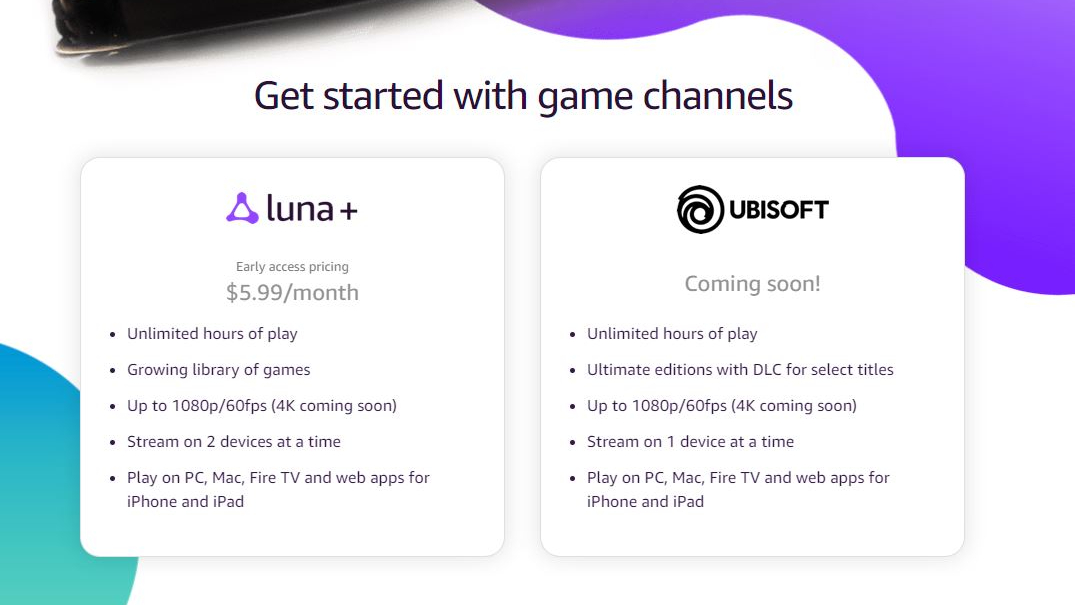
Regardless of whether or not you have an Amazon Prime account, Amazon Luna’s introductory price is $5.99 per month (around £4, AU$8). That price just gets you access to the basic lineup of games through a ‘channel’ Amazon calls Luna+, which has over two dozen games available for it.

Similar to Netflix, games on Amazon Luna are all-you-can-binge. Without any download times between games, it’s easy to jump between a few different titles in a single session, and like Xbox Game Pass, new titles are added frequently.

But Luna+ is just the basic subscription package and the games are, well, sort of a grab bag of older titles, HD collections and a handful of Xbox One / PS4 games. Stand-out titles in the Amazon Luna+ channel are Control, Metro Exodus, Resident Evil 7 Biohazard, Two Point Hospital and Sonic Mania, but a lot of the other options are indies.

Similar to Netflix, games on Amazon Luna are all-you-can-binge. Without any download times between games, it’s easy to jump between a few titles in a single session.

Thankfully, you can also tack on a Ubisoft channel called Ubisoft+, which offers up two dozen games from Ubisoft’s game collection including titles like Valhalla, Immortals Fenyx Rising and Far Cry 6 for $15 per month.   

And though it doesn’t come with the subscription, you might also want to pick up an Amazon Luna Controller, too, that will run you $49.99 (around £35, AU$60). 

While that sounds a bit pricey for what is essentially a knock-off Xbox One gamepad, the Luna Controller can connect directly to your wireless network instead of using Bluetooth, reducing the amount of input latency – which, as you’ll see, is absolutely crucial.

Amazon Luna prices

(Image credit: Amazon)

Amazon Luna setup: how hard is it? 

The good news is that, surprisingly, it’s not very hard to get Luna setup. All you have to do is download the app on your Amazon Fire TV by searching for Amazon Luna or, if you have an invite, go to the Amazon Luna page on your browser to get started.

To connect a controller, you’ll either need to open up your Bluetooth settings to pair it that way or, if you’re using the Amazon Luna Controller, download the app and follow the directions. 

When you’ve got your controller setup and you’re logged into your account, you’re ready to start gaming.

Amazon Luna performance: is it any good? 

So that’s the million-dollar question and the answer so far is… sort of. Despite leaving its invite-only status, Amazon Luna is still very much a work-in-progress.  

Overall, we’re pleased to say that, unless the game absolutely requires split-second precision, games played just fine.

Over the course of a few hours, we tried at least a quarter of the games on the service to see how well they ran and how they looked. Overall, we’re pleased to say that, unless the game absolutely requires split-second precision, games played just fine. 2D platformers, real-time strategy and even fighting games didn’t suffer in the slightest from being beamed to us from a remote AWS server. But two games in particular, were almost unplayable. 

The first of the two troubled games was Yooka-Laylee, the 3D platformer from former Rare developers that, in so many ways, feels like a spiritual successor to Banjo-Kazooie. The problem with it was that the camera, a notorious weak spot even on the console versions, became much more unwieldy when it was compounded with latency. It made the game feel a bit choppy - not so much that it was unplayable, but enough to make the whole experience uncomfortable and rather unappealing.

The worst performance, however, was found on Star Wars Pinball. There was a fraction of a second delay between pressing the right trigger and the right flipper popping up, but it was enough to make us miss crucial shots and lose balls. Not every game requires this exacting level of timing, certainly, but for the ones that do require the most minimal amount of latency Amazon Luna just can’t deliver it yet.

The good news is that these were just two of the many, many games we were able to try. Games like the Castlevania Collection, Lumines Remastered, Redout, Two Point Hospital, BlazBlue Cross Tag Battle and more played absolutely fine. 

You could argue that any collected edition of games from 10, 20 or even 30 years ago running fine on a new service isn't that big of an achievement - and you'd be right - but it does show that Amazon has laid the groundwork for newer titles and that it can at least handle older games without any latency.

amazon luna

(Image credit: Amazon)

Amazon Luna vs Google Stadia: which one is better? 

After spending hours with Amazon Luna – and having written our Google Stadia review – there’s not a huge difference in performance between the two services. Both seem to play most games nearly as well as a console can with a handful of exceptions. They both have Controllers that minimize latency and both are offered in browsers and their companies’ respective streaming devices.

Where there is a big discrepancy between Google Stadia and Amazon Luna is the caliber of games on the service and the cost of the service itself. 

Amazon Luna doesn’t have many brand-new games. It’s mostly indie games or huge blockbusters from a few years ago. That said, Amazon Luna+ is only a few bucks per month. You do have the option to subscribe to the Ubisoft+ channel, but Ubisoft’s own subscription service – also called Ubisoft+ – has all the same games and more available to download for the exact same price.

Because the games are newer and are of a higher quality, Google Stadia still seems like the better service – at least, for right now.

Google Stadia, on the other hand, might require you to pay for games outright that often cost just as much as their PC or console counterparts, but these games are newer and as a whole offer more variety than what Amazon Luna is offering right now. There’s also the option of subscribing to Google Stadia Pro that has over two dozen games on it for a monthly fee that also gives you discounts on other games on the Stadia Store if you'd rather pay a monthly fee.

Because the games are newer and are of a higher quality, Google Stadia still seems like the better service – at least, for right now. That could change when Amazon ramps up the amount of games it brings to its Luna+ channel or if Amazon partners with other publishers to bring their games to the service as new channels, but for now we’d still recommend Google Stadia as the go-to service for game-streaming.

Amazon Luna

(Image credit: Amazon)

Should you subscribe to Amazon Luna? 

Given everything we know about it and having tried it ourselves, we currently don’t recommend Amazon Luna in its current form. At this point it feels almost like you’re paying to beta test Amazon’s game-streaming service for them while they add more titles and improve the stability of the streaming experience.

That said, if you see some games on the Amazon Luna+ channel that look appealing, and you don’t mind dropping $7 to check them out, it could be an easy way to test some games that you otherwise wouldn't have. 

It could also be a decent alternative for folks who don’t want to spend money to upgrade their aging laptops or consoles – though, even if that’s the case for you, we’d wait for more games to come to the service before subscribing.

We’ll of course revisit Amazon Luna when Amazon gives it the full roll out sometime in the near future for a full review, and for now it remains another weapon in Amazon’s arsenal of future tech in a war against Apple and Google.


from TechRadar - All the latest technology news https://ift.tt/3uBYdVo
via IFTTT https://ift.tt/3ksGF9C

How the first Sonos headphones could beat the Apple AirPods Max

Sonos is a huge player in the world of home audio, with its range of super-connected wireless speakers and soundbars making it a trusted brand for audiophiles and casual music listeners alike. 

Now it looks like the audio company is about to enter a new market, after patents and confirmation of a mystery product launch on March 9 have stoked rumors of the first Sonos headphones

With Sonos’ reputation for putting out excellent speakers and murmurs of integration with its existing multi-room system, expectations for the rumored wireless headphones are high, echoing the hype we saw last year for the arrival of Apple’s first over-ear headphones.

In many ways, the Apple AirPods Max lived up to the hype, delivering an excellent sound and unrivaled connectivity with iOS devices – though in other ways they disappointed, lacking basic features despite their incredibly high price. 

While the Sony WH-1000XM4 are still the headphones to beat, we’re excited to see how Sonos approaches its first over-ear headphones in comparison to Apple – and if the company gets it right, it could blow the AirPods Max out of the water, and even give Sony a run for its money. 

sonos wireless headphones

A patent gave us a sneak preview of the design of the first Sonos headphones. (Image credit: Future / DPMA)

Getting the basics right

Before we get into the special features that Sonos could use to propel its headphones above the competition, it’s crucial that the company gets the basics right.

That means the first Sonos headphones will need to provide excellent connectivity, a long battery life of 30 hours or more, a comfortable, stylish design, and class-leading active noise cancellation.

While they’re still to be confirmed by the company, a series of patents have given us a few clues about the features they could sport, basic and otherwise.

The first is wireless connectivity via Bluetooth – and to compete with the huge number of wireless headphones on the market, Sonos should opt for the latest Bluetooth 5.1 codec. 

Going for the latest wireless standard should ensure Sonos’ first headphones maintain a strong connection with other devices – but that’s not the only thing on our connectivity wishlist. 

We’d love to see support for aptX Adaptive, which allows for 96kHz Hi-Res Audio files to be transmitted wireless. We’ve already seen this technology adopted by the Bowers & Wilkins PX7, and it would be a welcome addition for audiophiles taking a chance on the first Sonos headphones. 

The patent also describes noise-cancelling tech, which is an increasingly sought-after feature for over-ear headphones. Hopefully, Sonos will employ adaptive noise-cancelling as seen with the Sony WH-1000XM4; this clever tech adapts the level of noise cancellation to your environment in real time, ramping up for loud environments and turning down for quiet environments. 

Of course, Sonos will need to get the design right to compete with the best headphones in the world. Sonos products typically follow a sleek, minimalist design aesthetic, in black and white color variations. 

We’d expect to see more of the same from the first Sonos headphones, with minimal external hardware and a slick user interface, perhaps making use of touch sensitive housings that allow you to control your music playback without digging your phone out of your pocket.

sonos one

Sonos products typically follow a strict black or white color scheme. (Image credit: Sonos)

Unbeatable audio

Sonos already has a great reputation when it comes to the audio performance of its wireless speakers and soundbars, and we’re expecting more of the same from its first headphones. 

The brand regularly tops our product recommendation lists, with the Sonos Arc soundbar, Sonos Move portable speaker, and Sonos One wireless speaker all offering an exceptional sonic experience.

That being said, the first Sonos headphones will have to sound very good indeed to best the AirPods Max, which blew us away with their wide, well-balanced soundstage, excellent detail and rhythmic accuracy, and fantastic imaging. 

Sonos may look to emulate this by employing similar drivers; the AirPods Max contain 40mm neodymium drivers, which feature dual neodymium ring magnet motors to reduce distortion. 

Pair this with support for Hi-Res Audio, and Sonos could make a lot of audiophiles very happy indeed. 

We’ll also be interested to see whether Sonos includes any support for immersive audio technologies like Dolby Atmos for Headphones. The AirPods Max feature Apple’s own Spatial Audio tech, which makes them a great pair of headphones for watching movies and TV shows.

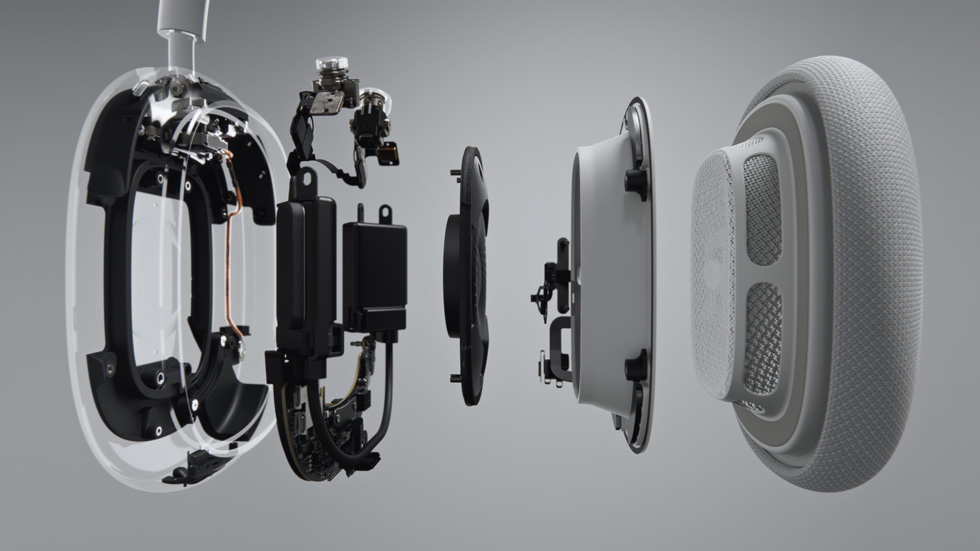
Apple AirPods Max construcción

The inner workings of the Apple AirPods Max. (Image credit: Apple)

Playing to its strengths

Sonos is a giant in the world of multi-room wireless audio solutions, and by playing to its strengths, it could blow the Apple AirPods Max and other rivals out of the water.

And that could be a reality. The most interesting feature revealed in the Sonos headphones patent describes how the wireless headphones might interact with existing Sonos speakers, with what the company calls 'swapping':

"For example, if a particular piece of content play is currently playing on the wireless headphone, a swap changes the playback to play that piece of content on one or more other playback devices on the local network."

So in theory, you could be listening to music on your Sonos headphones and swiftly switch that music over to your Sonos speaker, whether it's part of a multi-room audio system or a standalone smart speaker like the Sonos One or the Sonos Move.

It’s certainly an exciting prospect, and it would really set the rumored headphones apart from the competition.

sonos

Sonos is well known for its wireless audio products. (Image credit: Sonos)

Addressing Apple’s shortcomings

When the AirPods Max launched in late 2020, we weren’t sure what to expect. Apple had never made a pair of over-ear wireless headphones before, and while the AirPods and AirPods Pro gave us an idea of the connectivity features we might see, things like design, sound quality, and usability were largely a mystery. 

And we were pleasantly surprised. The Apple AirPods Max turned out to be among the best-sounding headphones we've ever tested, and their noise cancellation easily stands up to the likes of the Sony WH-1000XM4 and the Bose Noise Cancelling Headphones 700

However, their high price, limitations for Android users, and lack of 3.5mm audio port means we'd only recommend them to iOS users with a lot of money to spare – and no interest in Hi-Res Audio.

Those oversights, along with their high price, are why we couldn’t recommend the AirPods Max as the best wireless headphones you can buy today – and that means, if Sonos can address those issues, the company’s first wireless headphones could be an exceptional foray into the world of personal audio.

For what it’s worth, the patents we’ve seen suggest that the first Sonos headphones will come with a 3.5mm audio port, allowing audiophiles to use a wired connection for pristine music playback, as well as letting you use the headphones when the battery runs dry. 

The price issue may be harder to address. Sonos products rarely come cheap, and we don’t expect that the brand’s first headphones will be any different. However, if it can undercut the $549 / £549 / AU$899 Apple AirPods Max even by just a little, that could be enough to edge its first cans ahead in the battle for your ears. 

In any case, we don’t think Sonos will price its headphones any lower than the Sony WH-1000XM4, which cost $349.99 / £349 / AU$549 – but if it did, and we got those special Sonos features we’ve been hearing about, the first Sonos headphones could even rival Sony’s cans, and take the crown as the best headphones in the world.

Of course, we’ll have to wait and see what Sonos reveals on March 9 to find out. There’s every chance that the new product will be a wireless speaker, with rumors of a smaller, cheaper version of the Sonos Move, being bandied about as well. 

As much as we loved the Sonos Move (and would welcome a more budget-friendly model), we’re really hoping for a pair of headphones. After all, if the rumored specs are to be believed, they could shake up the world of personal audio in a way we’ve never seen before, even from the first Apple over-ear headphones. 


from TechRadar - All the latest technology news https://ift.tt/3uFqSZS
via IFTTT https://ift.tt/3kukRdE

The most exciting indie PC games in development right now

This year’s run of upcoming indie titles on PC due for release is on a different level. The Steam Game Festival 2021 took place from February 3 through February 9 and gave us a taste of what’s to come, with demos, developer interviews and showcases throughout.

The festival showed off games from many genres, with varied art styles, rich storylines, and abstract concepts. Indie developers continue to push the boat of creativity and innovation despite working from small teams and having limited budgets.

Here’s a list of our pick of some of the best indie games due for release this year.

Sands of Aura

(Image credit: Chashu Entertainment)

Sands of Aura

Sands of Aura is a visually stunning dark fantasy action RPG developed and published by indie studio Chashu Entertainment.

SoA is an open world buried under sand and divided in to islands. Each one has a unique style, lore and varying difficulty levels. The Combat is “souls-like” with seven distinct styles. There are different magical runes to modify your gear and several armor sets to personalize your build.

While the release date is yet to be confirmed, you can add the title to your Steam Wishlist and follow Chashu Entertainment’s Twitter page to keep up with related news and updates.

Potentia

(Image credit: Wily Pumpkin)

Potentia

Potentia is a third-person action-adventure shooter. It’s developed and published by indie studio Wily Pumpkin.

It has an interesting story, but choose wisely when playing as it’s a tactical shooter. You can either go all-in for full action with your pistol, long-distance by sniping your enemies, or go stealth mode by sneaking up on them with a close combat take down. You have limited supplies of ammo and medkits, but how you win is up to you.

Potentia was released February 11 on Steam for $19.99 and has received “mostly positive” reviews, and the demo is still available to try out.

Arid

(Image credit: Breda University of Applied Sciences)

Arid

Arid is an open-world survival craft game with a dry name, the first project by student-led, Sad Viscacha Studio and published by Breda University of Applied Sciences.

You have to survive the harsh conditions of the Atacama Desert - think sun exposure, dehydration, and other natural dangers.

Prepare and craft items that allow you to hunt, gather materials and repair equipment. Climb mountains, explore caves and abandoned locations that double up as temporary refuges.

Arid is free-to-play, and a pre-alpha demo is available to play on Steam. While there is no specific release date, it’s expected to be out very soon.

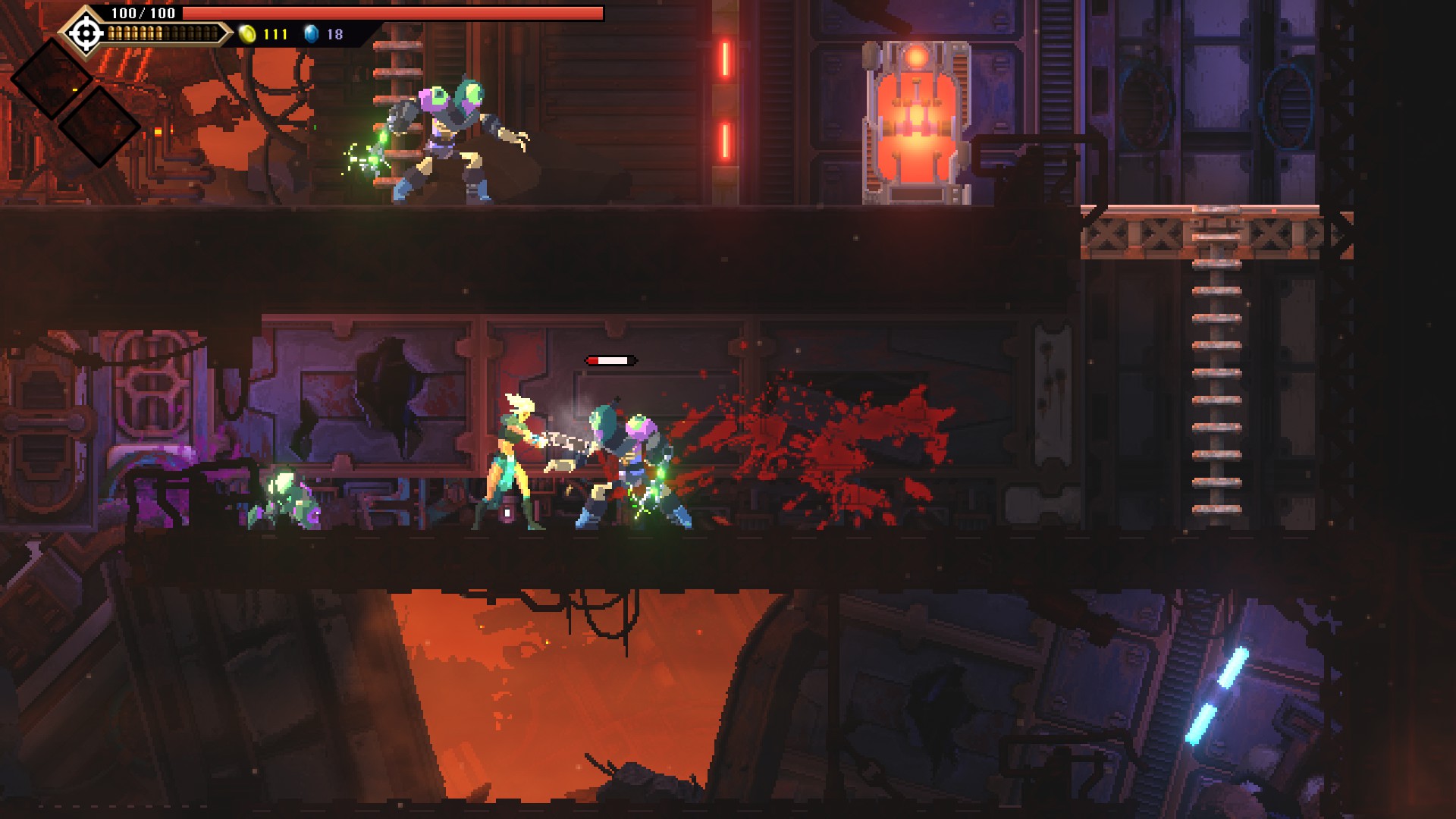
Foregone

(Image credit: Big Blue Bubble)

Foregone

Foregone is a 2D action side-scroller with 3D elements, developed and published by Indie game Studio, Big Blue Bubble.

Made with gorgeous pixel art, this single player title is an exciting Metroidvania-style game with a rich storyline, banging weapons and tasty loot. It’s action-packed, with satisfying slasher-and shooter-style combat.

Out on consoles since October 2020, Foregone will be available on PC to purchase on Steam from March 1, but you can add it to your wishlist in the meantime. The demo is still available to play and we strongly suggest you give it a try: you will not be disappointed. 

Unbound: Worlds Apart

(Image credit: Alien Pixel Studios)

Unbound: Worlds Apart

Unbound: Worlds Apart is a 2D adventure puzzle-platformer developed and published by Romanian indie game company, Alien Pixel Studios.

Unbound: Worlds Apart is a gorgeous, atmospheric, dark fantasy world ravaged by an unknown disaster that destroyed the home of the main character, Soli.

There are boss fights and brutal enemies to overcome while solving puzzles and jumping in and out of different realities via a portal you can conjure at will.

Due for release in the second quarter of 2021, you can add Unbound: Worlds Apart to your Steam wishlist and try out the free demo that’s still available to play.

The Riftbreaker

(Image credit: EXOR studio)

The Riftbreaker

The Riftbreaker is a base-building strategy survival game developed and published by EXOR studio.

Heavily reminiscent of real time strategy (RTS) games like StaCraft 2, Command and Conquer and similar titles, in this game you hack, slash and shoot down beasts to research and gather rare minerals and substances and use them for crafting and upgrading weapons, equipment and technologies.

The Riftbreaker is developed on EXOR Studio’s in-house engine, the Schmetterling 2.0, which offers uncapped frame rate, customizable controls and widescreen monitor support.

There’s no specific release date, but it will be sometime. In the meantime, you can add it to your wishlist and try out the demo on Steam.

Undying

(Image credit: Vanimals)

Undying

The Undying is an interesting and touching take on the familiar zombie apocalypse genre.

Developed by Vanimals and published by Skystone Games Inc and Vanimals, Undying is an adventure-survival game with a deep story that follows Anling and her son, Cody through their fight for survival.

Anling has been bitten by a zombie. Now infected, she must stay alive for Cody and teach him survival skills; searching for materials, cooking, crafting and fighting zombies to survive.

Undying is due for release mid 2021. You can add it to your wishlist and play the demo on Steam while you wait.

Genesis Noir

(Image credit: Fellow Traveller)

Genesis Noir

Genesis Noir is a story-rich exploration point-and-click, published by Fellow Traveller and developed by Feral Cat Den.

In Genesis Noir you jump through pockets of time, create life, destroy a whole civilization and pass through moments in the universe while trying to change the course of destiny to save your love, Miss Mass.

A delightfully abstract and otherworldly game with an interesting take on the start of creation, and an inspired art style.

It’s expected to be released at some point during the first quarter of 2021, but for now you can add it to your Steam wishlist.

Chicory: A Colorful Tale

(Image credit: Finji)

Chicory: A Colorful Tale

Chicory: A Colorful Tale is a top-down adventure- RPG set in a coloring book world where you play as a dog wielding a magic brush and paint color and life back into the world.

You can explore the world in single-player or co-op mode and paint and solve puzzles to unlock new places and paint abilities. Chicory: A Colorful Tale is developed by Greg Lobanov and published by Finji.

There’s no specific release date just yet, but it will be out this year. You can add it to your Steam wishlist and keep up to date on its developments via Discord or email.

You Suck at Parking

(Image credit: Happy Volcano)

 You Suck at Parking

You Suck at Parking is a fun and hilarious racing game where you have to, well, park, but perfectly.

Developed and published by award-winning game studio Happy Volcano, You Suck at Parking is a racing game with a twist. Apart from putting your skills to the test on “the world’s most EXTREME parking game”, in which you must attempt to stop and park at a precise spot; the tracks are user-generated so you can even have a go at designing levels.

Due for release sometime this year, you can add it to your Steam wishlist in the meantime, and try out the free demo.


from TechRadar - All the latest technology news https://ift.tt/37VduH9
via IFTTT https://ift.tt/3kuozUy

Kuurne-Brussel-Kuurne live stream 2021: how to watch cycling online anywhere today

The opening weekend of the Spring Classics concludes with the Kuurne-Brussel-Kuurne, aka the KBK, which as ever follows hot on the heels of yesterday's Omloop Het Nieuwsblad. Follow our guide below as we explain how to get a Kuurne-Brussel-Kuurne live stream and watch UCI WorldTour cycling online from anywhere today.

Both are one-day events on the cobbles, but the Kuurne has a reputation for being more of a game for sprinters and gamblers and, famously, nobody has won both on the same weekend. It's always an unpredictable ride and a great way to start the new UCI season.

Kuurne-Brussel-Kuurne 2021 live stream

Date: Sunday, February 28

Start time: 2.30pm CET / 1.30pm GMT / 8.30am ET / 5.30am PT / 12.30am AEDT

Free live streams: Sporza (Belgium) | L'Equipe (France)

Watch anywhere: try No. 1 overall VPN 100% risk-free

The 2021 Kuurne-Brussel-Kuurne is the 72nd edition of the race, which was first held in 1946, though strangely enough Brussels hasn't actually featured on the route for more than half a century. 

Deceuninck–Quick-Step's Kasper Asgreen was victorious here a year ago, becoming the first Danish rider to win the race in 24 years.  

He broke away early, with 30km of the race remaining and was more than half a minute ahead of the chasing pack with 15 km to go. But as the chase picked up speed and the strength in Asgreen's legs started dropping, there were just metres in it - but the exhausted Dane held on for the win.

It was Deceuninck–Quick-Step's second successive KBK triumph, and Asgreen is back to defend his title, riding alongside Yves Lampaert, Zdenek Štybar and Álvaro Hodeg. 

The final 50km of the route are more or less flat, which always makes for a chaotic finish - two riders ruined their race last yer by flying across a roundabout and taking the wrong exit - so read on for everything you need to know to watch a Kuurne-Brussel-Kuurne live stream from anywhere in the world right now.

How to watch a FREE Kuurne-Brussel-Kuurne live stream online today

Prepare to dust off that Lonely Planet phrase book if you want to 'voir en direct', because anyone in Belgium can watch a FREE Kuurne-Brussel-Kuurne live stream on Sporza, while those in France can get the race on L'Equipe without paying a penny. 

If you're a resident of either country abroad right now, and you're worried about missing the action, all you need to do is download a VPN to re-connect to your home streaming coverage. 

Our latest 2021 testing showed our recommended VPN working well on both these platforms from abroad, and we'll be sure to confirm for this race as soon as it's under way.

How to watch Kuurne-Brussel-Kuurne 2021 from outside your country

If you're desperate to watch the Kuurne-Brussel-Kuurne but you're away from home and the coverage is geo-blocked, then you could always use a VPN to access it (assuming you're not breaching any broadcaster T&Cs, of course). You may be surprised how simple it is to do.

Use a VPN to get a Kuurne-Brussel-Kuurne live stream from anywhere

ExpressVPN is the world's top VPN right now
We've tested dozens of VPNs and think ExpressVPN is quite simply the best. Quick, secure, and intuitive to use, Express will have you streaming the latest blockbuster movies and binge-worthy TV in no time. Plus, its supported by dozens of devices, including Smart TVs, Fire TV Stick, PC, Mac, iPhone, Android phone, iPads, tablets, and many more.

You can try it for free now with a 30-day money-back guarantee. Better yet, if you decide to subscribe to ExpressVPN and opt for their annual plan, you'll get 49% off the usual price as well as 3-months extra FREE – pretty amazing value really.

- Try ExpressVPN 100% risk-free for 30 days

watch Kuurne-Brussel-Kuurne live stream

2021 Kuurne-Brussel-Kuurne live stream: how to watch online in the UK

For UK residents, Eurosport Player has you covered for live Kuurne-Brussel-Kuurne coverage. 

The streaming service is affordable, at just £6.99 a month or £39.99 for the year, and is compatible with a wide array of devices and platforms.

Another option is the GCN+ Race Pass, which also costs £39.99 for a year, but the caveat is that it's mobile-only.

Coverage starts at 1.30pm GMT on both platforms.

And remember, to watch your home coverage from abroad, you can always use a VPN, log back in to a server in your country and watch as if you were there.

Kuurne-Brussel-Kuurne live stream usa

How to watch Kuurne-Brussel-Kuurne 2021: US cycling live stream details

US-based cycling fans can live stream the Kuurne-Brussel-Kuurne with a GCN+ Race Pass, which costs $8.99/month or $49.99 annually.

Coverage starts at 8.30am ET/5.30am PT on Sunday morning.

And if you're currently out of the US but still want to watch the race, then don't forget to explore the VPN route set out above.

Kuurne-Brussel-Kuurne live stream

How to watch the 2021 Kuurne-Brussel-Kuurne: live stream cycling in Canada

Canadians can also tune into the Kuurne-Brussel-Kuurne live with a GCN+ Race Pass, which costs $8.99/month or $49.99 annually.

As in the US, coverage starts at 8.30am ET/5.30am PT on Sunday morning.

Not in Canada to catch that GCN+ stream? Well you know the answer by now... using a VPN is the way to make sure you don't miss a moment. 

Kuurne-Brussel-Kuurne live stream australia

How to watch the Kuurne-Brussel-Kuurne 2021: live stream cycling in Australia

You know the score by now. You can tune into the Kuurne-Brussel-Kuurne Down Under with a GCN+ Race Pass, which costs AU$65 annually.

Be prepared for a late one though, as coverage in Australia starts at 12.30am AEDT on Sunday night/Monday morning.

If you're not currently in Oz, you can download a VPN to tune into your home coverage of the race from anywhere. 


from TechRadar - All the latest technology news https://ift.tt/3syZTgv
via IFTTT https://ift.tt/3c5kPqF

Sony FX3 vs Sony A7S III: which is the best 4K camera for you?

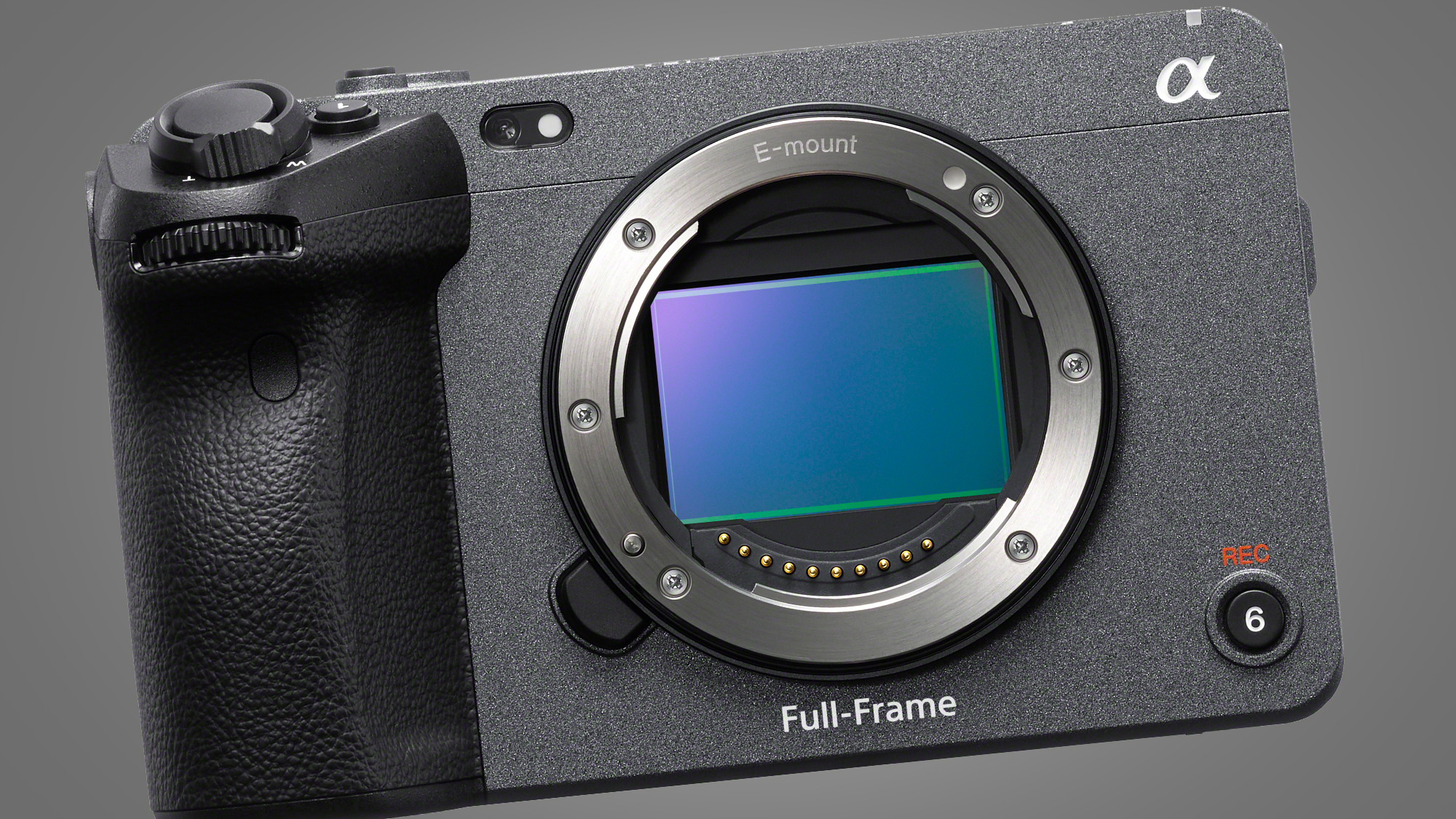
The Sony FX3 has just officially landed – and on paper, it's one of the best compact cinema cameras you can buy.

But the FX3 is also potentially confusing for anyone in the market for a small, pro video camera. After all, Sony already makes one of its closest rivals, the excellent Sony A7S III. So what's the difference between the two cameras, and which should you buy?

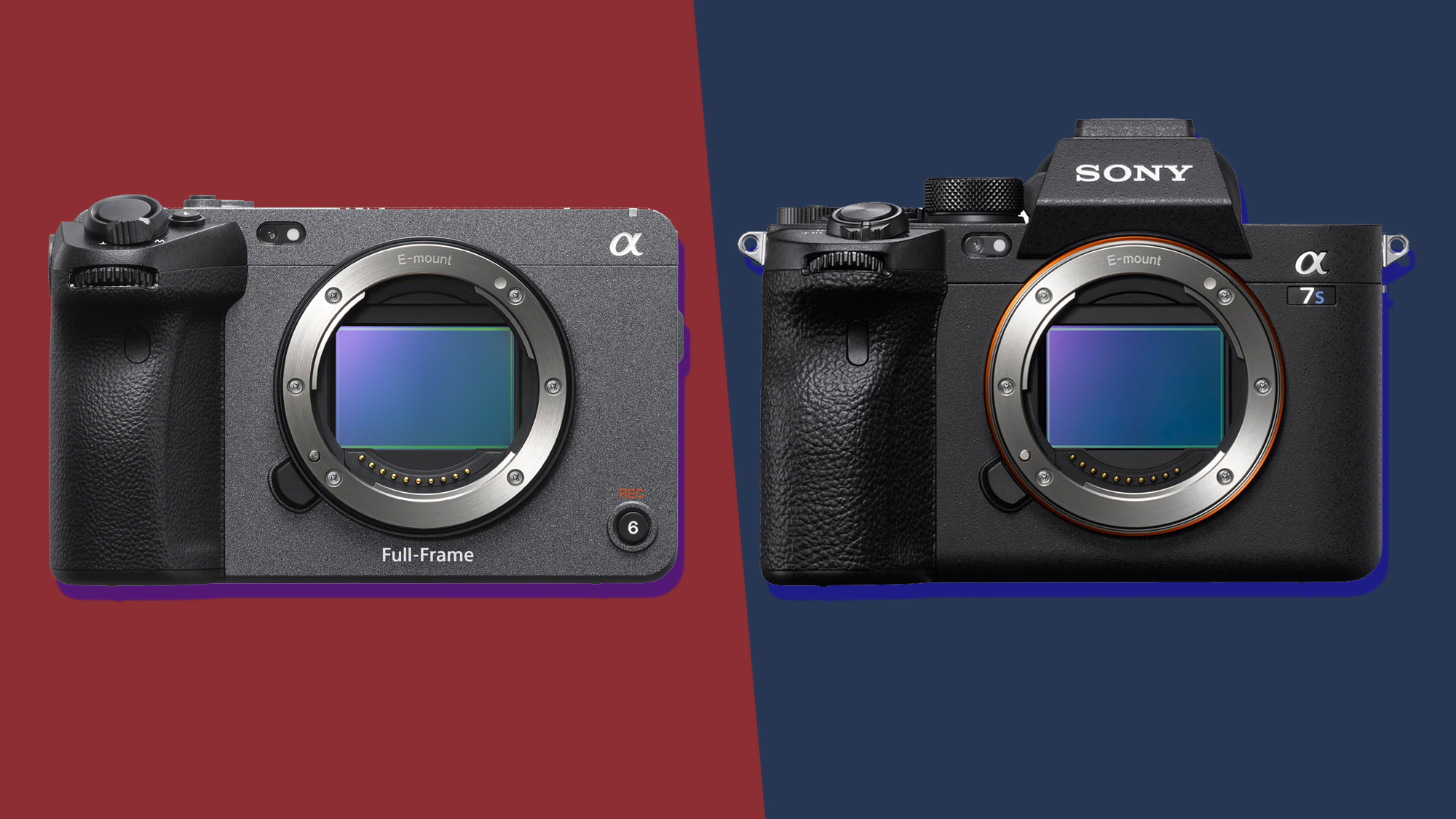
The FX3 is effectively a redesigned version of the A7S III, so there are actually more similarities than differences between the two cameras. The FX3 is also the first camera to straddle the line between Sony's Cinema and Alpha camera lines, which traditionally separate its video and stills-focused cameras.

But even though the Sony FX3 has an Alpha badge, it is a more filmmaking-focused camera than the A7S III. So we've rounded up the x key ways its differs from the A7S III to help you split the two highly capable cameras and decide which one suits your shooting style the best.

Yes, the Sony FX3 and A7S III share the 12.1MP full-frame same sensor and Bionz XR processor, but they also differ in a few key ways... 

Sony FX3 vs A7S III: the 6 key differences

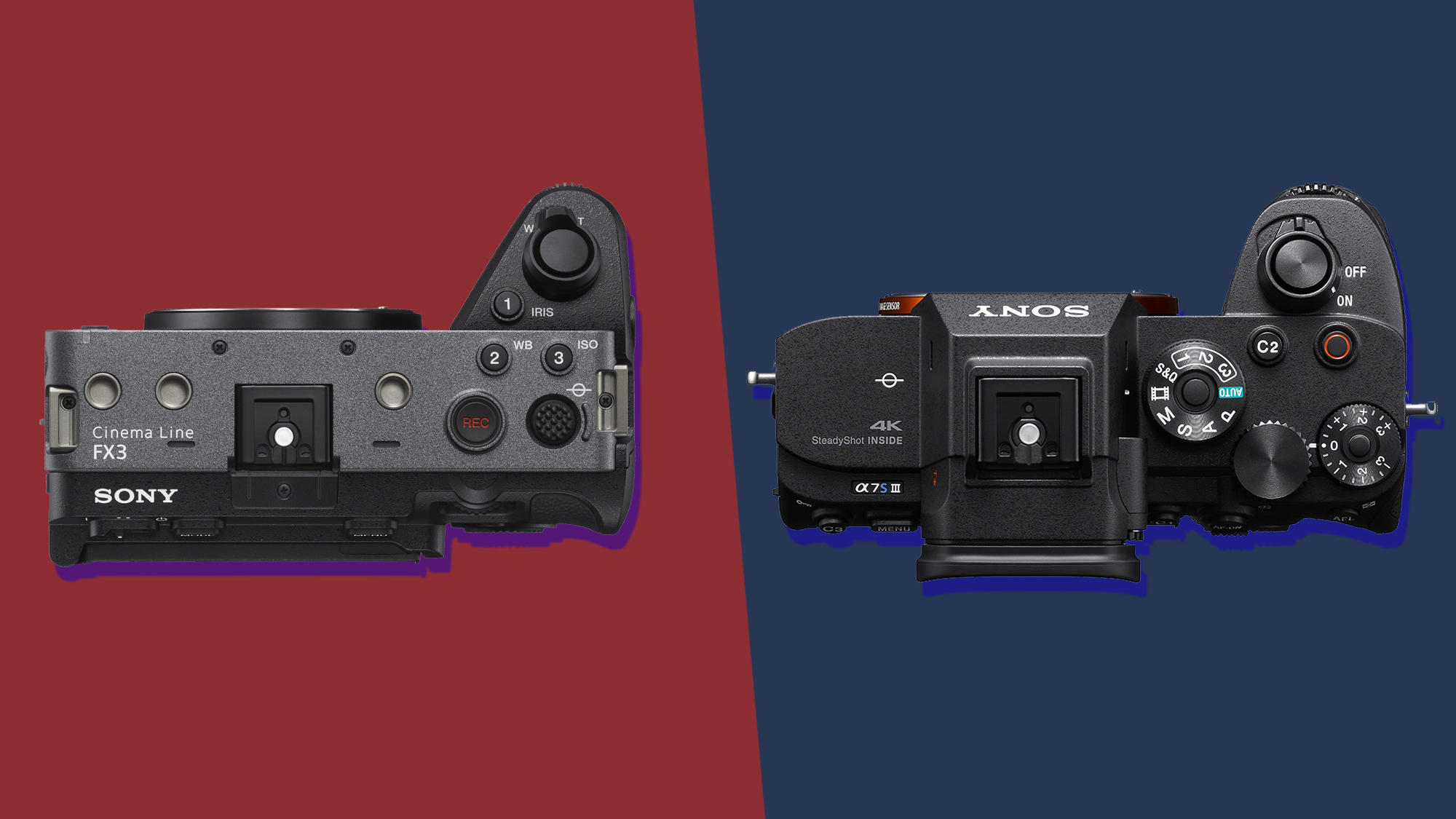
1. The FX3 is smaller, but lacks a viewfinder

The main clue that the Sony FX3 is even more video-focused than the A7S III is its design. The Sony A7S III is mainly renowned for its video skills, but its body is based on the traditional Alpha style that's grown from Sony's still cameras. This means it has a viewfinder hump and that signature black finish.

The FX3 drops the electronic viewfinder, a decision that may also put off some filmmakers, in favor of a smaller body that's designed for run-and-gun filmmaking, particularly using its detachable handle.

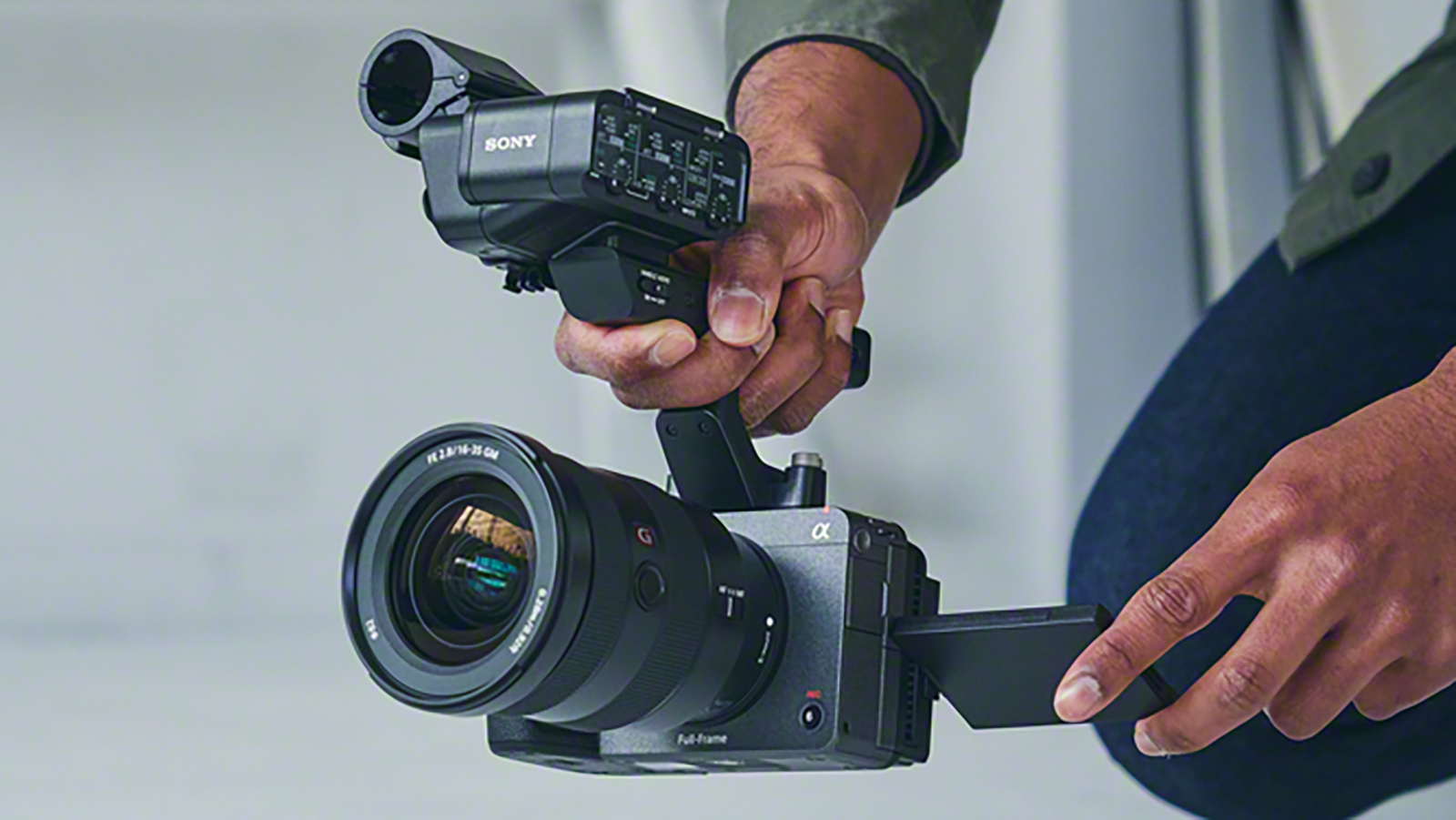
Sony FX3

(Image credit: Sony)

The FX3 is still beefier and heavier than a mirrorless camera like the Sony A6600, but not by much – and it looks small compared to DSLR-sized rivals like the Canon EOS C70.

In practice, the size difference between the FX3 and A7S III will be negligible, with the cameras respectively weighing in at 715g and 699g (including batteries). Instead, the design differences are simply tailored towards different shooting styles...

2. The FX3 comes with a handle that has XLR ports

While it's possible to add a cage to the Sony A7S III, it's mainly designed to be used handheld in a similar style to a stills camera – and that's where it differs from the FX3.

The FX3 comes bundled with a detachable handle, which isn't just for holding the camera steadily from above. This handle also includes twin XLR/TRS terminals, which are the standard for pro audio – and are something that the A7S III lacks out of the box.

Sony FX3

(Image credit: Sony)

Sony does sell an XLR adapter kit, which lets you add two XLR jacks to A7S III, but it's expensive and arguably a little more clunky than the handle that comes with the FX3. Out of the box, there's no doubt the FX3 is the more advanced camera for those who need high-quality audio to go with their 4K video.

3. The FX3 has a tally lamp and zoom lever

A couple of other potential advantages for filmmakers on the FX3 are its inclusion of a tally lamp and zoom lever, which are both lacking on the Sony A7S III.

A tally lamp is a small light that lets both the camera operator and subjects know that the camera's recording. The Sony A7S III doesn't have this, though there is an alternative in the form of its 'Emph display during rec' option in the menus, which puts a red frame around the screen when you're recording.

Sony FX3

(Image credit: Sony)

Slightly more curious is the FX3's inclusion of a zoom lever. We say curious because only two Sony lenses – the FE PZ 28-135mm f/4 and FE C 16-35mm T3.1 – currently have a built-in power zoom motors that will work with this lever. 

But Sony says that its electronic Clear Image Zoom function – which lets you get 2x zoom with any lens by intelligently creating pixels, rather than simply cropping – is very popular with pro filmmakers, and this function will also work with the FX3's zoom lever. 

4. The FX3 has cooling fans for longer record times

The Sony A7S III impressed us with its ability to handle the heat generated from recording long 4K clips – in fact, we were able to shoot continuous 4K video for well in excess of 30 minutes and didn't once see an over-heating warning.

But the Sony FX3 promises to take this even further thanks to its inclusion of an active cooling fan. It's not the only small, full-frame camera with a fan like this – the Panasonic Lumix S1H also has a fan chamber to help it shoot video for longer periods. And like the S1H, the FX3's fan doesn't affect its resistance to moisture or dust, either.

What specs do the Sony FX3 and Sony A7S III share?

Sony FX3

(Image credit: Sony)

12.1MP BSI full-frame sensor
Bionz XR processor
Shoot 4K/120p or FHD/240p video
Record in 10-bit 4:2:2 internally
Expanded ISO range of 80-409,600
15-stop dynamic range
Have S-Cinetone, S-Log3/2 profiles
5-axis image stabilization
Same Hybrid AF autofocus system
16-bit raw video via HDMI port
Twin CFexpress Type A / SD slots
Same NP-FZ100 battery
Dust and moisture-resistant
Same touchscreen menu system

But it does mean that the FX3 is promising completely 'uninterrupted' 4K/60p shooting, which might push it ahead of the A7S III for those who regularly shoot long clips like one-shots or interviews. 

The FX3 also has the same 13-hour maximum continuous recording time as the A7S III. All of which means that card capacities and battery life are likely to be more of a limiting factor than overheating. 

5. The FX3 has built-in thread holes for accessories

Another useful, filmmaker-friendly design feature on the FX3 are its thread holes, which effectively mean it has a built-in cage to help you turn it into a mobile video rig.

You get five of these 1/4-20 UNC thread holes on the body, and a further three on the bundled handle. Unlike the Sony A7S III, this means you're unlikely to need to add a cage in order to add accessories like a cold-shoe mount for adding, for example, a wireless microphone to your setup.

Sony FX3

(Image credit: Sony)

It's possible to get a similar setup on the A7S III with an additional cage, but it's another example of how much more pro video-oriented the Sony FX3 is out of the box compared to its Alpha counterpart.

6. The Sony FX3 is pricier than the A7S III

The Sony A7S III is more affordable than the FX3, and not just because it's a little older, having arrived in July 2020.

The A7S III's recommended retail price back then was $3,499 / £3,800 / AU$5,999 and it hasn't really shifted from that yet. The FX3 is a fair chunk pricier at $3,899 / £4,200 (around AU$7,485).

But when you factor in the price of an XLR adapter for the A7S III, which comes bundled with the FX3, then the two costs around the same. This makes sense, as the FX3 lacks a viewfinder, but compensates with features like active cooling. Which means your choice between the two is likely more down to your shooting style than your budget.

Sony FX3 vs A7S III

(Image credit: Sony)

Takeaway

The Sony FX3 and Sony A7S III are variants on the same concept – they're both small, 4K full-frame cameras that are particularly strong in low-light and offer highly compact setups for solo shooters.

But while the FX3 is capable of shooting stills, there's no doubt it's the more video-oriented cinema camera. It has the bundled handle, XLR audio jacks and active cooling that make it, on paper, a more complete camera for filmmakers out of the box.

While those who splashed out the A7S III might feel slightly aggrieved that the FX3 has arrived just six months on, they will largely be hybrid shooters with slightly different needs. 

Sony says the A7S II remains targeted at those who need a mix of video and stills, like wedding photographers who don't need to make large prints, concert photographers and astrophotographers. For those kind of shooters, the A7S III's 4K video powers are important, but the FX3 is a camera that's really built around them.

It's a subtle difference, but we're looking forward to seeing how the Sony FX3 stacks up against other rivals like the Canon EOS C70 and Blackmagic Pocket Cinema Camera 6K Pro soon.


from TechRadar - All the latest technology news https://ift.tt/3kuc8Ik
via IFTTT https://ift.tt/3sARAks

More OnePlus 9 and OnePlus Watch details leak out online

The anticipation around the OnePlus 9 and OnePlus Watch launches is steadily growing, and according to the latest information leaked online, both devices are going to get an official unveiling on the same day.

91mobiles and well-known tipster Ishan Agarwal have suggested that the middle of March is when we should expect a grand unveiling: and we'll see the OnePlus Watch, the OnePlus 9, the OnePlus 9 Pro and the OnePlus 9R appear together.

That final device is the handset previously known as the OnePlus 9 Lite, and will be the more affordable model in the series. The OnePlus 9R name is one that only began circulating a few days ago.

Agarwal says that promotional teasers will be appearing "VERY soon", and with March almost upon us at the time of writing, we could see the OnePlus marketing machine roll into action any day now – so watch this space.

Meanwhile, Greek outlet TechManiacs has got hold of what it claims are screenshots from the OnePlus 9 Pro, showing off some of the specs of the device. It's also going to come running Android 11, as we would expect.

Inside the phone it looks like we've got the Snapdragon 888 processor, with 8GB of RAM and 128GB of storage at least one of the available configurations. The screen is listed as a 6.7-inch display with a 120Hz refresh rate.

The camera module is listed as a quad-lens 48MP + 50MP + 8MP + 2MP affair, although we don't get any details of what to expect in terms of optical zoom or an ultrawide mode. There are also a couple of screenshots of the camera app interface.

Those details largely match up with previous rumors about what to expect from the OnePlus 9 phones, and it certainly looks as though the Pro edition is set to be one of the most powerful smartphones of 2021.


from TechRadar - All the latest technology news https://ift.tt/2ZUvT2u
via IFTTT https://ift.tt/eA8V8J

Windows 10 gets a fix for annoying stuttering in some games

Windows 10 has received a preview version of a cumulative update, and it’s one that gamers might want to apply if they’ve been having any kind of trouble with stuttering or flickering (or indeed other rendering issues) when playing certain games.

As Microsoft states, patch KB4601382 (for Windows 10 May 2020 Update and October 2020 Update) applies the following fix: “Updates an issue with screen rendering after opening games with certain hardware configurations.”

As it’s in preview, you’ll have to manually find and install this bunch of fixes via Windows Update (this patch will be next month’s cumulative update when it lands on March 9 – but folks who are exasperated with the bugs that it cures may just want to grab it now to save them from another week of pulling their hair out).

As mentioned, as well as the problems with games, there are other fixes here. These include several display-related bugbears like an “issue that might cause video playback to flicker when rendering on certain low-latency capable monitors”, and incorrect refresh rates showing under advanced display settings when it comes to HDR-capable monitors.

KB4601382 also delivers a solution for unexpected screens popping up in the Windows 10 setup experience (initial out of box installation process, that is).

Caution first

If you’re not affected by any of these issues, or at least not bothered by them to any pressing degree, it’s best to steer clear of a preview update – because as the name suggests, these are still in testing, so may be rough around the edges or have unintended consequences in one form or another.

Strictly speaking, it’s best to wait for the finalized patch (indeed, as we’ve seen many times in the past, even the finished version can mistakenly introduce fresh bugs – so preview updates need to be treated with some caution).

Via Windows Latest


from TechRadar - All the latest technology news https://ift.tt/3bKYZXp
via IFTTT https://ift.tt/eA8V8J

Fortnite’s approach to guest characters is aggressively dull

There’s no denying the monolithic success of Fortnite Battle Royale. Like a phoenix rising from the ashes, the mode once considered ancillary to Save the World – Fortnite’s co-op-centric horde mode that pitted players against waves of zombies – eclipsed it in no time at all.

In the years since, Fortnite has surpassed other battle royale giants like PUBG to become the undisputed leader in terms of player numbers, revenue and in-game events. It's a shame, then, that its crossover events with other franchises feel woefully tacked on.

In the long term, Epic Games' commitment to guest character inclusion in Fortnite usually ends up being a total misrepresentation of whoever’s in the spotlight at the time. Usually, these boil down to a character skin or two and a brief marketing window, nothing that will shake up Fortnite's status quo.

Crossover conundrums

Fortnite

Fortnite admittedly did a fantastic job integrating Marvel and DC characters (Image credit: Epic Games)

Fortnite’s history with crossover content dates back almost three years at this point. Its first big collaboration was with Marvel to promote Avengers: Infinity War. In this event, a player lucky enough to find the iconic Infinity Gauntlet could transform into Thanos, the primary villain of the latter Avengers movies.

It was an interesting way for Epic to test the waters on future crossover events. The event was only available for a limited time, and it provided a unique, somewhat refreshing spin on the Fortnite formula in the form of a powerful and player-controlled threat on the map.

Fortnite continued to work with Marvel, offering skins of beloved characters like Iron Man, Captain America and Captain Marvel to name but a few, and these represented perhaps the peak of Fortnite’s crossover potential, as Chapter 2: Season 4 implemented a swathe of map changes alongside unique Marvel-themed items and powers.

It got more interesting when Epic Games went on to throw DC characters into the mix. Aquaman, Batman, The Flash et al are able to join the fray alongside or against Marvel’s best, technically making Fortnite the first official Marvel vs. DC crossover game. There is a problem with that, though, as I’ll get into later.

Things only grew increasingly puzzling from there. Fortnite began to pepper in crossovers and obtainable guest character skins from a plethora of different franchises in the following years. Many felt right at home on Fortnite’s chaotic, ever-changing island map, including Marvel’s own Deadpool, whose manic fourth-wall-breaking charm fit effortlessly into the game’s mayhem.

Others still felt incredibly bizarre. Additions like NFL players, God of War’s Kratos and Street Fighter’s Ryu and Chun-Li all feel remarkably out of place wielding weapons largely based on real-world guns.

V-Buck where it's due

Sephiroth Smash

Super Smash Bros. remains the undisputed king of the crossover (Image credit: Nibellion (Twitter))

I have to admit that if I was a child watching all this crossover chaos unfold, I would be beside myself with joy. Fortnite has intentionally marketed itself as a giant interactive toy box with its scattershot approach to crossovers. There’s something undeniably appealing about watching Stranger Things’ Hopper mow down The Joker with a minigun.

"Smash...shows how a developer can elevate a game by handling guest content with care. These games speak to something bigger than the individual characters - they are representing what makes those franchises so special and why people love them to this day."

Yet therein lies the issue – these lovable characters barely do anything that is distinctly associated with them. They act like any other outfit you can obtain in Fortnite, albeit originating from recognizable third-party brands. Some are graced with unique emotes at least, such as Chun-Li’s Lightning Kick and She-Hulk’s transformation. Nevertheless, I can’t see these guest appearances as anything other than a cynical cash grab.

For the sake of comparison, let’s look at another game that heavily features guest characters as paid downloadable content, that being Super Smash Bros. Ultimate. What does Smash do right that Fortnite doesn’t? Well, the key is in how these characters are represented.

Since Super Smash Bros. Brawl on the Wii, the series has had a steady focus on the inclusion of characters outside of Nintendo’s purview. Brawl kicked off the insanity in 2008 with Sonic the Hedgehog and Metal Gear’s Solid Snake. 

2018’s Super Smash Bros. Ultimate exploded in terms of guest content. Since that game’s launch, characters like Joker from Persona 5, Steve from Minecraft and Final Fantasy VII’s infamous villain Sephiroth all made playable appearances.

Each of these characters is celebrated in Smash with painstaking attention to detail. Each features moves and abilities recognizable from their games of origin, and they’re always paired with a stage showcasing the game or series they’re from, alongside a suite of music tracks.

Smash, alongside other crossover-happy games like SoulCalibur 6 and Tekken 7 shows how a developer can elevate a game by handling guest content with care. These games speak to something bigger than the individual characters – they are representing what makes those franchises so special and why people love them to this day.

Meanwhile, Fortnite’s approach to guest characters smacks of throwing wads of cash at whatever’s popular at the moment. Given Fortnite’s insane success, Epic certainly has the financial power to do this. Sadly, the game time and again chooses a flavor-of-the-month junk food approach, just because it can.

Quantity over quality

Fortnite Star Wars

Fortnite is capable of good crossovers, but it needs to try harder (Image credit: Epic)

I want to see Epic do better with its guest inclusions in Fortnite. It has the resources and manpower to be able to do so. I don’t want to play as Master Chief because “oh, hey, that’s Master Chief. I like Master Chief.” I want to play as him because I love Halo as a whole and want to be reminded of what makes that series so good in the first place. If I’m playing as Master Chief, I want movement to feel swift but decidedly heavy. I want to hear those shields pop when I’m low on health, ringing out that iconic warning klaxon.

"Fortnite could really benefit from featuring less crossovers with more content in each one. How cool would it be if Chun-Li could perform her iconic Lightning Kick attack to knock down structures in place of the familiar pickaxe?"

A 'less is more' approach could work wonders here. Fortnite could really benefit from featuring less crossovers with more content in each one. How cool would it be if Chun-Li could perform her iconic Lightning Kick attack to knock down structures in place of the familiar pickaxe?

How about a Halo themed event period where we can see the iconic ring on the horizon, with Covenant ships frequently flying over the island for an extra layer of fan immersion? To its credit, the actual Halo event did feature a recreation of the classic Blood Gulch map, but it was locked behind Fortnite’s Creative Mode and wasn’t hugely substantial. 

If they’d have thrown in event-specific items and weapons like Overshields and Halo’s iconic arsenal, paired with that goosebump-inducing main theme, you’ve got a winner of a collab in my book.

The problem here, of course, is that Fortnite is a very different game compared to the likes of Super Smash Bros. Fortnite operates as a live service – a game that is being constantly updated with new content. 

The quick turnover of Fortnite’s Battle Pass system leaves more substantial events with little room in the spotlight. Instead of giving crossover content more room to breathe, Fortnite is trapped in the perpetual live service cycle, ready to swap out content based on whatever the zeitgeist is.

As such, I’ve grown so very tired of Fortnite’s approach to crossover content, even when it’s representing characters and series I actually love. The bitesize nature of these inclusions feel like they come and go in a flash with little fanfare. That’s the exact opposite of what guest characters are supposed to achieve. 

While I’ll always remember Super Smash Bros. Ultimate as the game that let me beat up Sephiroth with Terry Bogard in front of a Minecraft village, I’m worried that Fortnite’s legacy will be buried in a veritable heap of forgettable crossovers that the game could have done so much more with.

  • Fortnite mobile: how to get Fortnite on Android, and why you can't on iPhone


from TechRadar - All the latest technology news https://ift.tt/3r2A87P
via IFTTT https://ift.tt/3b5SPCp

Is open source the future of office software?

While many people will be perfectly happy using Office 365 and Google Workspace products for all their word processing and spreadsheet needs, others will prefer something a little less...proprietary.

There are a couple of significant benefits of opting for an open source alternative to Office; the products are almost always free and often benefit from continual improvement from a large network of committed developers.

We caught up with Italo Vignoli of The Document Foundation, which oversees popular open source productivity software suite LibreOffice, to hear more about the project and where it is headed in the future.

What is The Document Foundation? Does it only support the development of LibreOffice or does it have a wider mandate?

The Document Foundation was announced at the same time of the LibreOffice fork, as the home of the LibreOffice community. All activities are focused on the LibreOffice community, but are not limited to the development of the FOSS office suite.

There are other major projects, such as the participation in the ODF (Open Document Format) Technical Committee for the advancement of the only ISO standard file format for true interoperability, the development of import/export filters for legacy and current proprietary file formats at the Document Liberation Project, the participation in advocacy groups for FOSS in public administrations (in Asia, Europe and Central/South America) and the support of native language communities (LibreOffice is released in 119 different language version, more than any other software worldwide).

Could you explain the reasons that led to suffixing release post v7.1 as "Community"?

The sustainability of FOSS projects doesn't happen by magic, especially if software is widely deployed in enterprise environments such as LibreOffice. We launched the LibreOffice project back in 2010, based on the following sustainability concept: individuals would support back-office and development of features that are not targeted to enterprise deployments with donations; volunteers would contribute their time to develop their own features and to contribute to other activities such as localization, quality assurance, documentation, design and marketing. Enterprises, meanwhile, would support the development of mainstream features through the purchase of LTS versions or the direct engagement of developers from ecosystem partners, who are firmly committed in merging all features in a timely manner on the master branch at The Document Foundation (TDF), for the reciprocal benefit of all individual and enterprise users.

As a result, we would have had a "vanilla" version released by TDF and supported solely by volunteers (who can provide assistance to individual users, according to their own schedule), and an enterprise version with LTS (Long Term Support) from professionals, backed by SLAs (Service Level Agreements).

This has worked for a while, but over time the number of enterprises supporting the project has shrunk, and as a consequence the number of new features has also shrunk. At the moment, we estimate than less than 10% of LibreOffice enterprise users are supporting the project by "giving back" through ecosystem partners, as they deploy the vanilla version from TDF and ask for support to volunteers. As we do want to stay loyal to the FOSS nature of LibreOffice, and avoid a dual licensed open core software (where the enterprise LTS version has more features than the free version, but is released under a proprietary license), we have added the "community" label to encourage enterprises to seriously consider deploying the version optimized for their needs.

Of course, a simple label is not enough, so we will develop and engage in communication activities focused on educating enterprises about supporting FOSS projects effectively and responsibly. FOSS has become pervasive, and enterprises  should consider that focusing on the zero cost of the software can seriously harm projects they are now relying on as strategic assets of their infrastructure, because it is short-sighted, as you save a lot today by not paying a dime, but you have to spend a lot tomorrow if the project is not able to self sustain, and you have to switch back to a proprietary solution with a huge price tag attached.

For people who aren’t aware, could you give us a 20,000 foot view of the LibreOffice ecosystem, including how you engage with the ecosystem partners?

The LibreOffice ecosystem is large and diverse; there are volunteers, both individuals and native language communities (i.e. individuals organized in groups based on their language, plus their geographical locations if the language is spread over different continents).

There are companies focused on LibreOffice development and other companies focused on building added value around LibreOffice, e.g. by providing services, consultancy and support. There are FOSS organizations such as FSF, FSFE, GNOME and KDE, and large corporations like Google, who are backing the LibreOffice project as they support our philosophy. Organizations are usually represented inside the TDF Advisory Board, which is meeting on a quarterly basis to discuss the progress of activities.

Most of the engagement, though, happens spontaneously on the typical tools of FOSS projects such as mailing lists and various chatrooms on several messengers. This is something which happens only inside open source projects, where meritocracy wins over bureaucracy.

One of the most interesting aspects of the project for many is LibreOffice Online. However, getting the office suite to run inside a web browser isn’t a priority for the project. Why is that, and will the stance change with the WebAssembly port finally approaching production quality?

A cloud solution based on the LibreOffice Technology has been available for several years from Collabora, which are the main code contributors of the Online branch, and is called Collabora Online. The WebAssembly port by allotropia will provide a different approach to getting LibreOffice into the browser. Both are based on the same platform for personal productivity called LibreOffice Technology, which offers unparalleled advantages over the technical puzzle of other office suites, which use a different engine and a different file structure for desktop, mobile and cloud.

The fact that a cloud solution based on LibreOffice is not released by TDF is a detail, and cannot be seen as a lack of interest from the project. Rather the contrary - deploying a cloud office suite is not a trivial task, as you have to associate a secure sign-on solution and a cloud environment for file storage and access rights, and as such needs the resources of a professional service provider. At the moment this product is available from our commercial ecosystem, and this is perfectly in line with the spirit of the project.

What are some of the interesting ongoing developments that you’re particularly looking forward to landing in LibreOffice?

LibreOffice has a large feature set, which is comparable to proprietary solutions and is larger than in many other office suites. In addition, LibreOffice has a stronger focus on interoperability than any other office suite, including Microsoft Office. So, in a time where sharing digital content is more important than specific features, the development focus will be on compatibility with proprietary file formats.

More broadly speaking, what are the priorities for the project in the near future?

In addition to improving the overall quality and interoperability of LibreOffice, the project has priorities which are typical of FOSS projects, such as increasing the number of language versions, and advocating the adoption of the Open Document Format (ODF) and LibreOffice by governments and large organizations.


from TechRadar - All the latest technology news https://ift.tt/3kwg7Ez
via IFTTT https://ift.tt/eA8V8J