Realme is the fastest-growing smartphone brand across the globe and is also one of the most ambitious brands in recent times. In a span of two years, the company has not only made its name in the smartphone market and also has established itself as an AIoT maker with its smart products. Currently, Realme is one of India’s top 5 smartphone maker.
Back in December 2020, the company also confirmed to launch over 100 AIoT products in India in 2021. Now, Madhav Sheth, CEO of Realme India and Global vice president has revealed the brand’s plan for the year 2021. In an interview with Business Insider, Madhav Sheth shared its plan for 2021 as well as a strategy to launch 5G devices and more.
While Realme is having a strong online presence on Flipkart, Amazon, and Realme.com, the company is also planning to launch somewhere between 300 to 500 Realme smart stores across India. Flagship stores will be put up in major cities across India. Recently, the Realme smart store was unveiled in Mysore. In addition to the Realme exclusive store, the company also plans to tie up with other offline retailers to sell lifestyle products.
Happy to announce that we have launched a brand new #realmeSmartStore in Mysore.Can you guess which city is next? pic.twitter.com/gA8SPP3G4DJanuary 28, 2021
Plans for 2021
In 2020, Realme shipped 20 million units for the first time which resulted in 22% YoY growth. In 2021, the company is planning to sell 25 to 30 million smartphones. According to the latest counterpoint report, the Realme C-series and Narzo series were the prime reasons for its growth. With more offline stores and multiple smartphone launches, Realme aims to achieve the 2021 goal.
Expanding the 5G offering
(Image credit: Future)
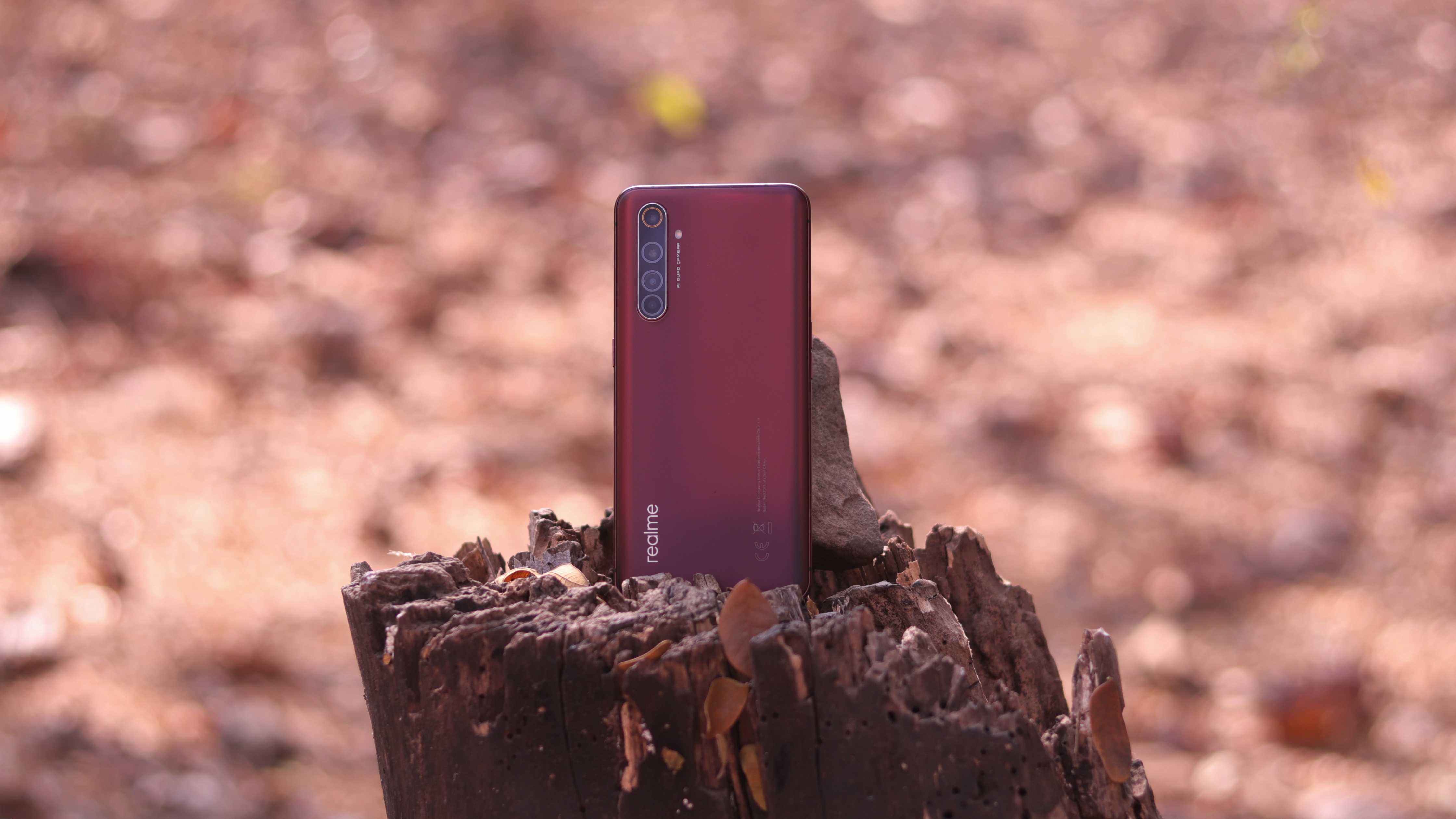
With Airtel announcing 5G-ready network and Jio said to start testing 5G in 2021 H2, Sheth said 5G will unlock potential for a wide range of products and services. With that in mind, Realme is launching its Realme X7 series with 5G connectivity on February 4 in India. This is also the company’s first product launch of 2021. Realme X50 Pro 5G was India first 5G smartphone launched back in 2020.
Realme AIoT products
(Image credit: Srivatsa Ramesh)
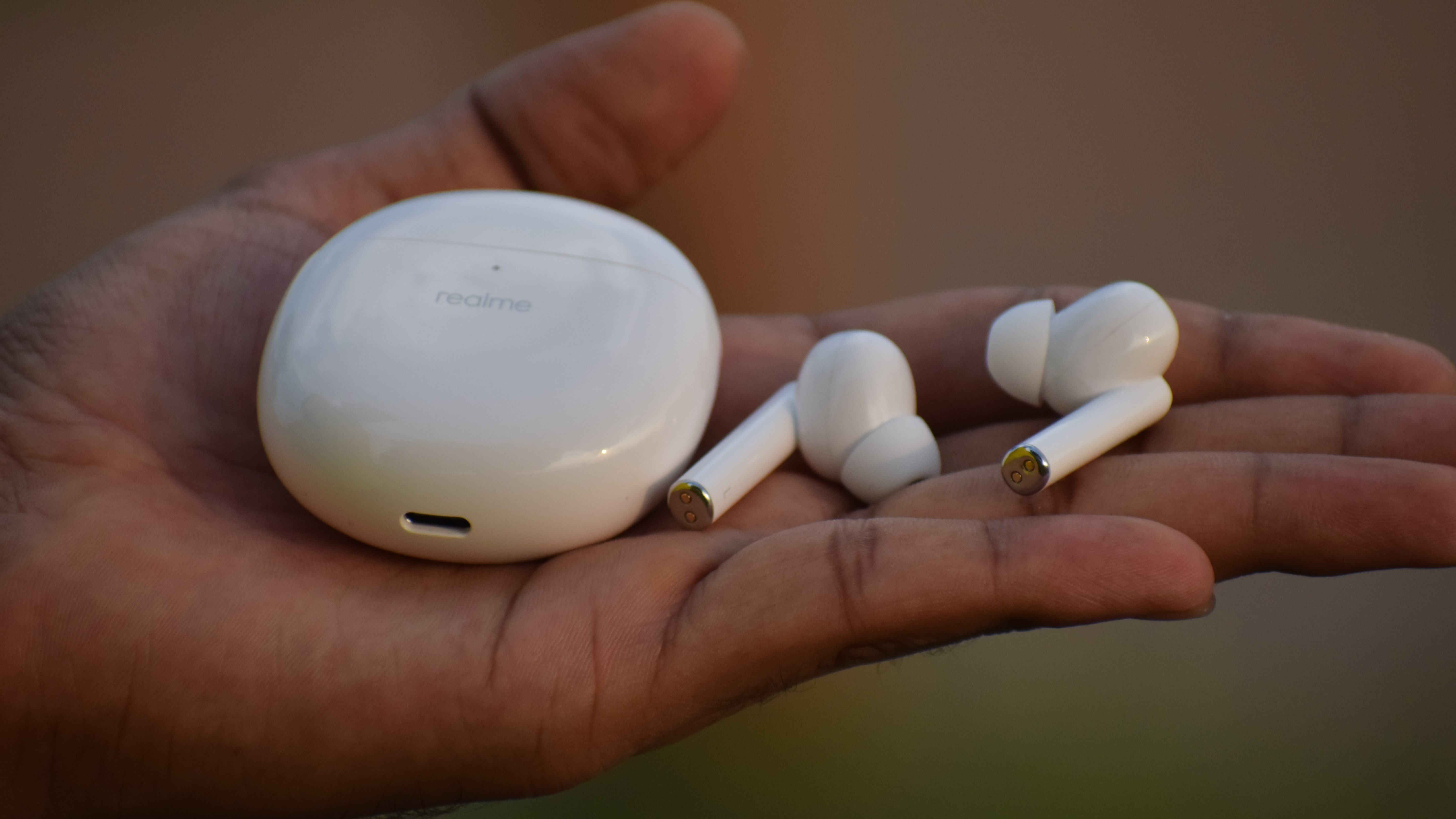
Realme will launch over 100 AIoT products in India. The company will expand its offering in India with the launch of multiple AIoT products throughout the year 2021. The company will launch TWS, affordable smart TVs, smart plugs, trimmers, smart bulb and more. The company is also tipped to launch laptops later this year in India.
Everything else
Lastly, Madhav also spoke about the 'Make in India' program and spoke about the challenges faced in the manufacturing process. He said making a smartphone requires component like screen, chipset, camera module, and more which still being imported and the ability to manufacture these in India will take some time and won't happen overnight.
While this is all Madhav Sheth said in the interview, Realme's 2021 journey will kickstart in India this week with the launch of Realme X7 series. Later on, we expect a few budget phones, audio products, wearables, and more AIoT products to launch throughout the year.
Switching internet providers might feel like more trouble than it’s worth, but there’s real money to be saved by jumping ship, and now is a particularly cracking time to swap NBN providers.
Smaller ISPs have been serving up discounts to new customers for quite some time now, and offering AU$10 off each month for six months has become the standard, but these welcome offers have gotten even more aggressive lately, making now a great time to buy.
In a rare move, Telstra has joined the swathe of smaller providers by also offering AU$10 off its NBN 50 and above plans, while others have dropped their welcome discount even further to keep up with rising competition. Below, we’ve highlighted the best deals on offer:
Telstra has some of the most expensive NBN plans on the market, which is what makes a discount on this premium NBN plan so tempting. This NBN 50 plan has been knocked down to AU$80 a month for your first six months, after which it will revert back to AU$90. That still makes it a little pricey, but you’ll be setting yourself up with a service that’s proven to be a solid performer. We’d recommend signing up online to have your connection fee waived, and staying with the provider for 24 months to get the Telstra Smart Modem for free (usually AU$216).
Total minimum cost over 24 months is AU$2,100View Deal
Tangerine has recently increased its welcome discount, so you’ll now save AU$15 a month instead of the previous AU$10 on this NBN 50 plan. That will see you pay just AU$54.90 each billing for your first six months, making this the cheapest NBN 50 plan on offer.
Internode has a pretty insane offer on its NBN 50 plan, but you’ll need to commit to a six-month contract to pocket the savings. The discounted rate means you’ll pay AU$59.99 each month for six months, before your contract officially ends the price increases to AU$79.99. All told, you’ll save AU$120.
Total minimum cost over 6 months is AU$359.94View Deal
Superloop has discounted several of its NBN plans this month, and if you want a fast connection, its NBN 100 plan has been slashed by AU$15 a month. You’ll pay AU$74.95 for your first six months with Superloop, after which your monthly bill will bump up to AU$89.95. Typical evening speeds clock in at 90Mbps, which is at the higher end of the scale for this speed tier.
For insanely fast speeds, you’ll want to consider an NBN 1000 plan. Prices on this speed average around AU$149, so this is a good opportunity to pay a little less. Internode’s killer deal will set you up for AU$139.99 a month for your first year on the service, after which you’ll pay AU$149.99. Internode has only recently added NBN 1000 plans to its offering, so its peak evening speeds are estimated at 200Mbps. Only available to fibre-to-the-premises (FTTP) and select hybrid fibre coaxial (HFC) areas.
HMD Global, the Finnish company that acquired the rights to the Nokia brand of smartphones, is looking to make India its hub for its global supply chain while also launching affordable 5G Nokia phones in this fast-expanding market.
Company vice-president Sanmeet Kocchar revealed that HMD Global was looking to launch customized smartphones in the Indian market, where 5G networks are all set to make mobile data-led computing the next rage. For this, they recently tied up with an Indian electronics manufacturing company to make Nokia phones.
In 2020, HMD Global had secured $230 million from Google, Qualcomm and Nokia Technologies and is now prepared to invest in capacity expansion, which could also include investing in Indian manufacturing and distribution. A report published in the Financial Express quotes Kocchar to suggest that making India the hub of their global supply chain was also being studied.
"We are looking at India as an important market and the first thing that we are going to do is look at products which are customized for the Indian market. Second is 5G, which is an important space that we have decided to play in, and we are looking at how we can launch more affordable 5G devices this year," he said.
Dixon Technologies, one of India's largest consumer electronics solutions company, had announced a tie-up with HMD Global last week. In a regulatory filing, Dixon said its subsidiary, Padget Electronics, would be making Nokia smartphones at the Noida facility in Uttar Pradesh.
Kocchar was also quoted as saying by the Financial Express that HMD Global would henceforth focus on product differentiation through future-proofed software. Does this mean that Nokia phones would add its two cents to the Android platform on which their devices work? Well, we are not sure as all that Kocchar says is that future Nokia phones have software that will last longer thus removing the need to change the device frequently.
One thing the company says it would not get into is setting up its own manufacturing plants in India. "We have different partners, including Google, Qualcomm, Nokia, and others in the ecosystem and we work closely with our partners to see how we can offer the best products to our fans," he says.
Why do the vacuuming when you can (quite literally) get something else to do the job for you? Heck, it will even mop up after you if you need it to. And that's where robot vacuum cleaners come in.
These days you can get dual-function autonomous droids that not just suck, but wet mop as well – useful if you primarily have hard floors in your home. Some of the best robot vacuums that you can get that do it all for you are from Ecovacs Robotics, and this is your chance to snap one up for a sweet low price of just AU$569.
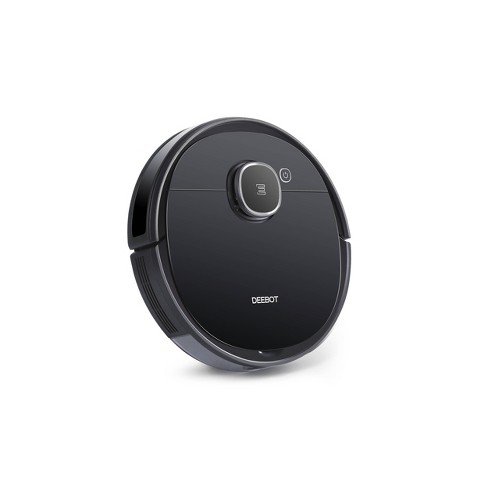
Available from Amazon Australia right now, this is the lowest price we've seen for the Deebot Ozmo 920 yet – it was AU$599 during Black Friday in November 2020.
That's a great price for a robot vacuum cleaner that will vacuum your carpets and hard floors, and mop up after itself as well. There's enough suction power to suck up hair and fur off low-pile carpets and, with a battery life of up to 130 minutes, it's capable of cleaning a two- or three-bedroom home in one go. In case it can't manage the full space in one shot, it will automatically head back to its charging dock, top up, and pick up where it left off.
For this price, you're also getting a robot vacuum cleaner that can hit corners and edges thanks to two side brushes with long bristles, a bar brush that's capable of getting into cracks in the floor that are up to 4mm deep, and will automatically increase power when it detects a carpet. This carpet-detection sensor also automatically switches off the mopping functionality when the bot climbs onto a rug.
The Deebot 920 also uses Ecovacs' latest Navi 3.0 technology, allowing it to systematically clean a room, leaving no uncleaned spots around the house. If it does miss a spot, you can always send it back by using the companion app, which is also remarkably easy to use and perfect for controlling the vacuum remotely.
The app also allows you to set a cleaning schedule, so you can do other, more important things. You can even use your smart speaker to control the device by connecting the app to Alexa or Google Assistant.
The only physical thing you need to do is attach the mopping plate and fill the reservoir if you need the bot to mop, and empty the bin when it's full. Can you already picture the amount of time you can save with this smart device? It's worth the investment right now when it's at its cheapest yet on Amazon Australia.
When the Deebot 920 first arrived, it cost over the one grand mark. Now, however, it's possible to get it for much less – 48% less to be precise – a price that's lower than its Black Friday offer. So suck up this deal and earn yourself some free time to do the things you'd rather do than vacuuming the house.View Deal
It’s no secret that New York City, like many other places in the U.S., has been having a hard time with covid-19 vaccine distribution. One of the problems is its messy online sign-up website, which some city officials have denounced as “complex, burdensome, and buggy.” Officials said that this would create an obstacle…
This purchase (which cost the telecommunications giant a cool AU$250 million) is part of a two-pronged approach at bolstering its status in Australia against its major competitor, Telstra.
The other prong of this strategy is the introduction of new virtual telco Gomo – a budget mobile provider that Optus' parent company, Singtel, has been running in Singapore since 2019 and is also available in the Philippines, Indonesia and Thailand.
The good news, for both new and existing Amaysim customers, is that it will remain a standalone brand and "customers will continue to benefit from Optus’ premium, nationwide network".
Given the extra power behind Amaysim now, we can likely expect it to present a more affordable alternative to Optus' more premium plans, much the same way Virgin Mobile did previously.
While this means we're unlikely to see 5G connectivity with Amaysim in the immediate future, we expect it to continue offering affordable SIM-only options with decent data inclusions, no lock-in contracts, and the occasional promotion for new and existing customers.
As mentioned, the other element in Optus' new mobile strategy is the launch of Gomo in Australia, and although the telco presently only has one available prepaid plan, it offers a solid balance of data and cost with a great introductory offer. Here's more details on exactly what's included:
This prepaid subscription plan from Gomo nets you 18GB of data and unlimited international calls (to 15 select destinations) for just AU$25 per 30 days. You'll be able to roll over unused data each month, up to a massive total of 200GB, and you can purchase a 5GB data booster for AU$5 via the app. Until Feb 21, new customers can get the first month for just AU$10, and if you purchase three months you'll get the next three for free.View Deal
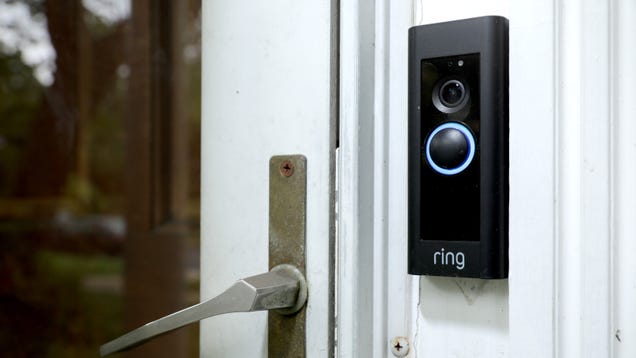
If you have an Amazon Ring smart doorbell, there’s something you should know. A growing number of fire and police departments are interested in your doorbell—or to be frank, in its camera footage—especially if they feel it can help them in their investigations. In fact, there are now 2,014 departments in the program…
India may be the next country to clamp down on existing cryptocurrencies in favor of its own. As TechCrunch reports, India’s lower house of parliament has revealed plans to introduce a law that would ban “all private cryptocurrencies” in the country,...
from Engadget https://ift.tt/3rdmUFf
via IFTTT https://ift.tt/3cwiXHt
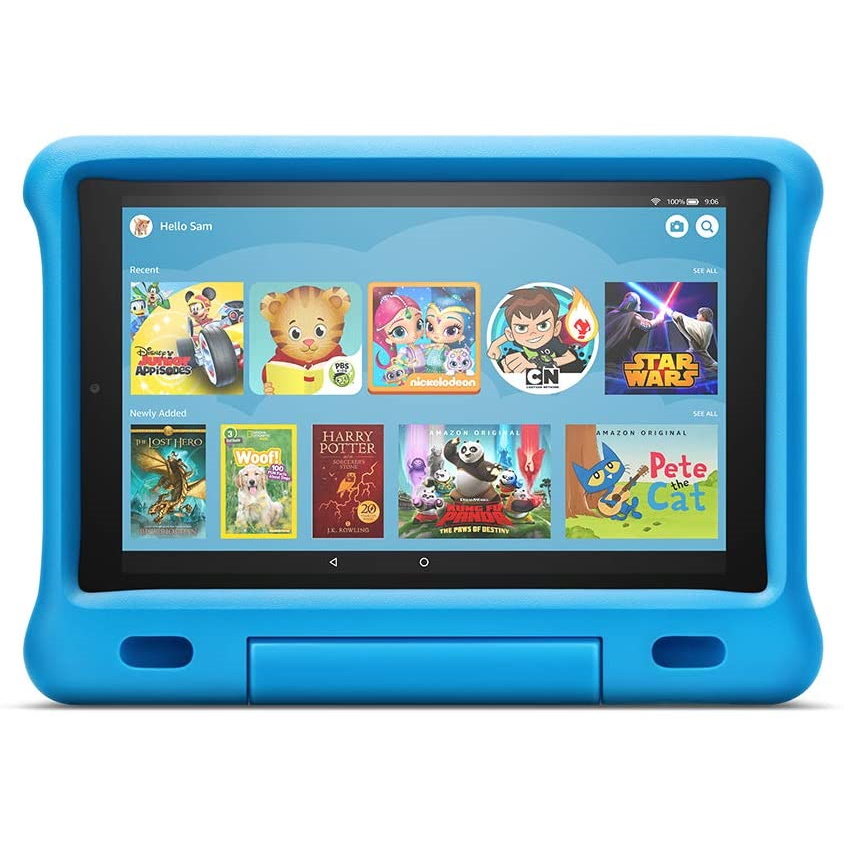
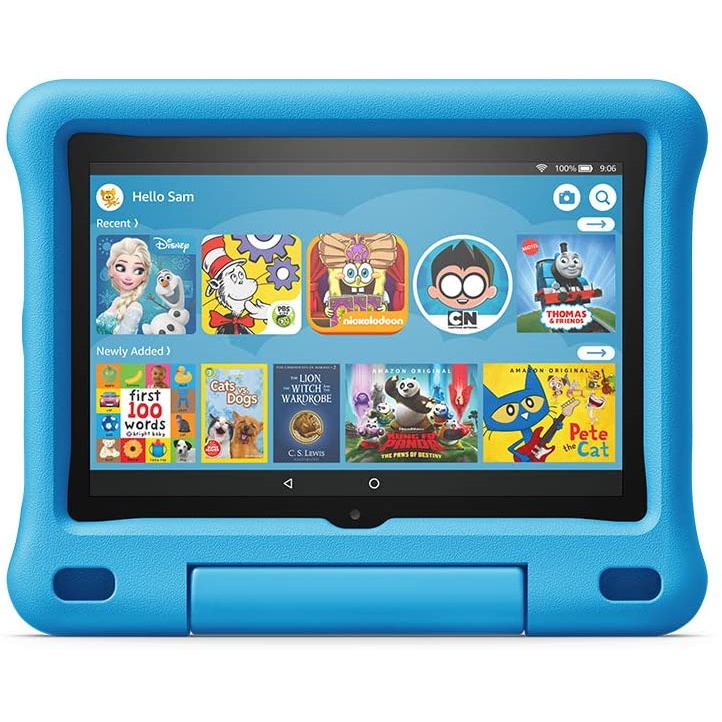
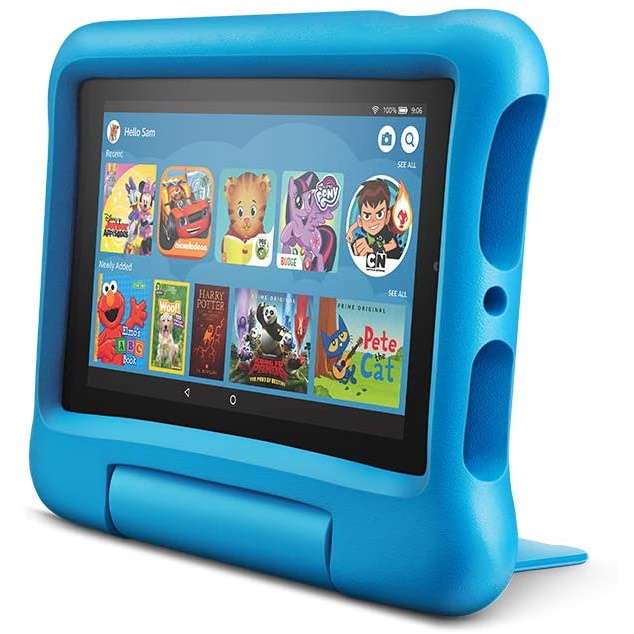
If you're looking to kit the kids out with some safe and secure tablets this weekend, Best Buy's latest Amazon Fire tablet deals may be just the thing you're after. Best Buy is cutting up to $100 off its range of Kids Edition tablets when you buy two devices. That means you can keep both kids happy, and save some cash at the same time.
The biggest saving is on the Fire HD 10 Kids Edition - you can pick up two for just $299.98 this weekend, down from a usual $399.98 price tag for both devices. That means you're paying $149.99 per tablet - a significant saving considering these gadgets usually come in at $200 a piece. The full HD 10.1-inch tablet offers up the best screen of the bunch, with plenty of storage under the hood - as well as all the Amazon FreeTime Unlimited content, easy to use parental controls, and a two year worry free guarantee as well.
2x Amazon Fire HD 10.1-inch Kids Edition tablets:$399.98$299.98 at Best Buy Picking up two Fire tablets for the kids can save you $100 this weekend, with Best Buy cutting the price by $50 per tablet when you're buying for the whole family. That means you're paying just $149.99 per tablet - an excellent price for the full HD 10.1-inch model with 32GB of storage and plenty of kid-oriented content and safety features as well. View Deal
2x Amazon Fire HD 8-inch Kids Edition tablets:$279.98$209.98 at Best Buy You're saving $70 when you pick up two 8-inch tablets at Best Buy. That means each tablet is costing you around $105 rather than the $139.99 MSRP. This is the best model for most people looking for kid-friendly entertainment and security with a smaller screen (and lower price tag). View Deal
2x Amazon Fire 7-inch Kids Edition tablets:$199.98$149.98 at Best Buy You're picking up a smaller, lower resolution screen here, and there's only 16GB of onboard storage, however this is one of the cheapest tablets for kids on the market right now - and you can save an extra $50 at Best Buy when you grab two. That brings the final cost down below $150. View Deal
More Amazon Fire tablet deals
Of course, if you don't want to be locked into Amazon's Fire OS, you can find plenty more cheap Android tablets up for grabs right now, with Samsung Galaxy Tab A deals offering a particularly cheap option. If you're looking to spend a little more, though, we're also rounding up all the latest Samsung Galaxy tablet sales and iPad deals as well.
from TechRadar - All the latest technology news https://ift.tt/36tlP4h
via IFTTT https://ift.tt/3cqHVYG
There's still some debate over whether the next Asus gaming phone will be called the ROG Phone 4 or the ROG Phone 5, but whatever the moniker, the device has now shown up in a Chinese regulatory filing – complete with pictures showing it off from all sides.
The documents published by TENAA give us our best look yet at what we're going to call the ROG Phone 5 for now (partly because you can actually see a number 5 written on the back of the handset).
It also looks as though we're getting a dot matrix display on the back of the Asus ROG Phone 5, similar to the one on the Lightning Armor case for the ROG Phone 3. These newly leaked images show the Asus ROG logo, but we're assuming that can be customized.
Apart from that embellishment on the back, not much seems to have changed in terms of the appearance of the ROG Phone compared to the 2020 edition. The SIM card slot looks to have a red cover, but that might be an exclusive for this particular edition of the phone, which seems to have been produced in partnership with Tencent Games.
Asus Rog phone 5 listed on TENAA certification.◾6.78 inches Amoled display◾6000mAh Battery (dual-cell, 3000×2)◾Android 11 pic.twitter.com/NjTjk8AzKOJanuary 30, 2021
The pictures line up neatly with some live shots we recently saw of the upcoming handset. It looks as though there could well be a customizable LED lighting strip to go along with the dot matrix array, all ready to give the phone a truly eye-catching aesthetic.
We've also seen a set of benchmarks appear online that we think are linked to the Asus ROG Phone 5, showing off its credentials in terms of power and performance. The phone should come carrying the Snapdragon 888 chip, the flagship chip of choice for top-end Android handsets this year.
Other bits of information we can glean from this regulatory filing include a 6.78-inch AMOLED display, Android 11 on board, and a hefty 6,000 mAh battery – that should be enough to provide plenty of juice for gaming sessions, and matches the capacity that was offered on the Asus ROG Phone 3.
As for that leap over the 4 straight to the 5, which is looking more and more likely, it's all because the number 4 is considered unlucky in China and Taiwan – and that's not something that Asus would want to get in the way of any potential sales.
It’s no longer rare to see action figures for video game characters, but an action figure designed to accompany the character is relatively rare — and Epic Games wants to give it a try. The developer has released a Fortnite outfit for GI Joe’s Snake...
from Engadget https://ift.tt/36sQLkO
via IFTTT https://ift.tt/2ME0CgX
Recently, we reported on the Nielsen streaming numbers for the end of December, which included a big success story for Disney’s release Soul. In that post, we noted that Nielsen didn’t include HBO Max on its streaming chart numbers. But now, it’s released those numbers anyway— at least, for Wonder Woman 1984.
Immersive sound formats are taking the world of home audio by storm, with Apple’s Spatial Audio joining the likes of Dolby Atmos, DTS:X, Sony’s 360 Reality Audio and Creative’s Super SXFI in the quest to make 3D sound in the home more accessible than ever.
Though these audio technologies differ in the way they enable immersive sound, they are all capable of making the sound of your music, films, and games feel as though it’s coming from all around you.
Whether you call it immersive, 3D, or spatial audio, these technologies are the biggest thing to happen to home cinema and music listening since surround sound.
While surround sound gave our music a sense of horizontal direction, spatial audio takes this one step further by adding height cues to film soundtracks and music. Imagine the difference between hearing a helicopter flying a few hundred yards away versus directly over your head, and you’re nearly there.
For cinephiles, spatial audio makes films feel more engrossing, placing you right in the action, and it allows gamers to hear the sound of enemy footsteps creeping towards them from any direction.
More recently, spatial audio has been expanded to music too, with some formats placing instruments in a virtual sphere so you can feel as though you’re surrounded by the musicians in your favorite bands, or sitting in the midst of a full orchestra.
Exciting right? While the world of spatial audio is definitely a step forward for cinephiles, gamers, and music lovers, it can also be pretty confusing, with lots of different formats to choose from.
Where you can find support for these formats also varies, with each TV and music streaming service offering support for one format exclusively, a mixture of a few, or none at all.
And, once you’ve worked out where you can get spatial audio content, you need to make sure you have the right equipment to experience it, whether that’s a Dolby Atmos soundbar, a DTS:X-touting AV receiver, or a pair of Apple AirPods Pro true wireless earbuds.
To help cut down on the confusion, we’ve put together this handy guide to the top spatial audio formats you can try right now, as well as everything you need to take your content to the glorious third dimension.
Spatial Audio: the five biggest formats explained
(Image credit: Dolby)
Dolby Atmos
Dolby Atmos is probably the best-known of all the spatial audio formats, having been originally developed for cinema and later making its way to the world of music streaming.
The format gives sound a more three-dimensional effect than traditional surround formats, with sound designers taking elements from a track and placing them in a virtual sphere. This allows movie makers to make sounds feel as though they are coming at you from all angles, which is particularly useful for cinema. For example, a helicopter flying overhead in a film could be made to sound as though it’s really flying above you with the help of Dolby Atmos.
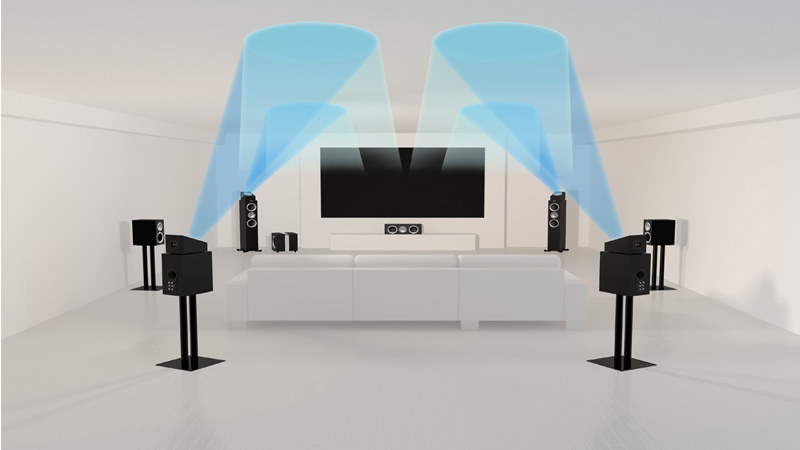
‘True’ Dolby Atmos makes use of overhead speakers to achieve this effect, though innovations in the world of soundbars and speakers has made it possible for home cinema enthusiasts to experience the format for themselves.
These days you can get soundbars with upfiring tweeters that bounce sound up to your ceiling and back down to your ears or add-on modules that allow your existing speakers to deliver Dolby Atmos when combined with a compatible AV receiver.
However, if you don’t have upfiring tweeters or overhead speakers, you can still experience Dolby Atmos with the company’s Height Virtualization technology, which makes use of your existing 5.1, 7.1, or stereo speaker setup.
It essentially works by tricking your brain into thinking certain sounds are originating from above you, using height cue filters that simulate the natural cues imparted by the human ear to sounds arriving from overhead.
Dolby Atmos is also available for music, placing individual instruments and effects within that virtual sphere instead of elements from a movie soundtrack.
The format can be applied to new music or as part of a remaster, provided the original audio stems are available to edit. When you play the music back, it should feel as though you’re enveloped in a dome of sound, and it works with speakers or via Dolby Atmos for Headphones.
DTS:X
DTS:X is very similar to Dolby Atmos in that it creates three-dimensional sound that moves around you as it would in real life.
The big difference however, is that DTS:X doesn’t require overhead speakers or upfiring tweeters, working with standard surround sound speaker setups up to a maximum 11.2-channel system. You can use overhead channels if you want to create a more convincing 3D sound experience, though.
DTS:X also has the added benefit of allowing you to manually adjust different sound elements, so you could increase the volume of dialogue on a soundtrack if you’re struggling to hear them over loud music or effects.
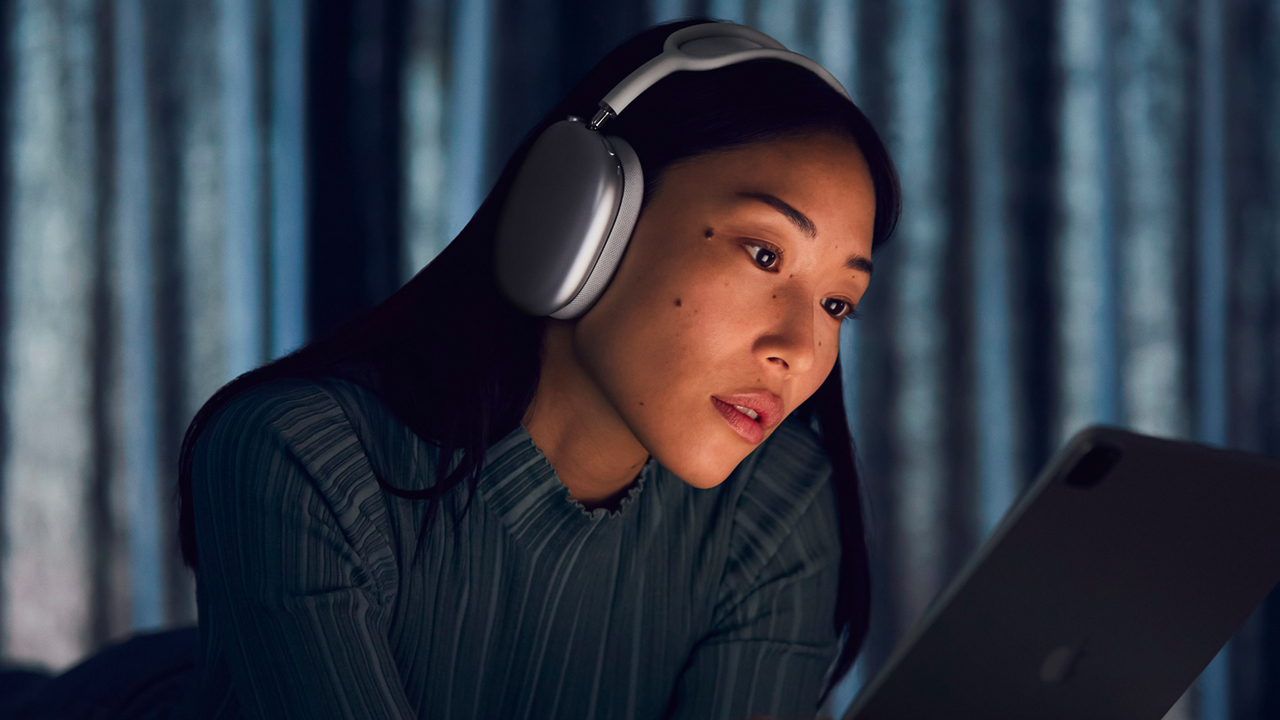
The AirPods Max (pictured) and the AirPods Pro are the only headphones to support Apple's Spatial Audio.(Image credit: Apple)
Apple Spatial Audio
Apple’ Spatial Audio is the company’s answer to Dolby Atmos for Headphones, designed for the AirPods Pro true wireless earbuds and AirPods Max over-ear headphones.
It takes 5.1, 7.1, and Dolby Atmos content and applies directional audio filters, placing sound in a 3D sphere.
What’s unique to Spatial Audio though, is that it uses the built-in accelerometers and gyroscopes inside Apple’s earbuds and headphones to track the position of your head, as well as the position of your iPhone or iPad.
That means that, when you watch films on your iPhone or iPad, the sound will always be placed correctly based on the action on the screen – so, if you turn your head or shift your device, it will still sound as though the sound is coming from the screen.
As you may have guessed, you’ll need an Apple device with iOS 14 or iPadOS 14, as well a streaming service that supports 5.1, 7.1, or Atmos. Stereo content can also be converted to Spatial Audio as long as the streaming service has enabled a special plugin for stereo spatialization.
If Dolby Atmos is made for cinema, Sony 360 Reality Audio is the 3D audio answer for music streaming – though the format hasn’t exactly taken off in the way we imagine Sony was hoping.
The immersive music format designed to be streamed over mobile music streaming services and played through compatible headphones.
Though it has support from a range of streaming services, creating object-based audio – so-called 360-degree sphere-mapping where each individual instrument, vocals and effect needs to be specifically placed in a sphere – is something Sony will need to persuade music producers to do before 360 Reality Audio can stand a chance of becoming as commonly used as Atmos.
Super X-FI from Creative
Super X-FI doesn't have the star-power of Atmos or the name recognition of Apple, but it's well-worth knowing about.
Instead of relying on musicians and studios mixing and mastering their content for 3D space, Super X-FI relies on a proprietary algorithm and a custom chip to up-mix regular surround sound, stereo sound and even mono(!) audio tracks.
All the algorithm needs to work is a picture of your ears - weird, we know - but with it Super XFi can use the shape of your ears and head to calculate how audio needs to be tuned to give you a 3D effect by feeding it through its Super X-FI ULTRADSP chip.
That chip, the real driving force for Super X-FI, is now built inside eight different products from Creative including two wireless headphones, true wireless earbuds, two gaming headsets and two headphone amps, with a soundbar - the Creative SXFI Carrier - in the works.
The technology was debuted at CES a few years back before getting a second form at last year's CES 2020, and the improvement definitely sharpened the technology to a finer point. It's now just as immersive as a proper Dolby Atmos setup when you pair the amp with the right headphones, but considering you all you need is a pair of Creative headphones, an amp or a pair of earbuds to get started, it's far, far more accessible when you're first testing the waters of 3D audio.
Streaming services: which ones offer spatial audio?
(Image credit: Netflix)
Netflix
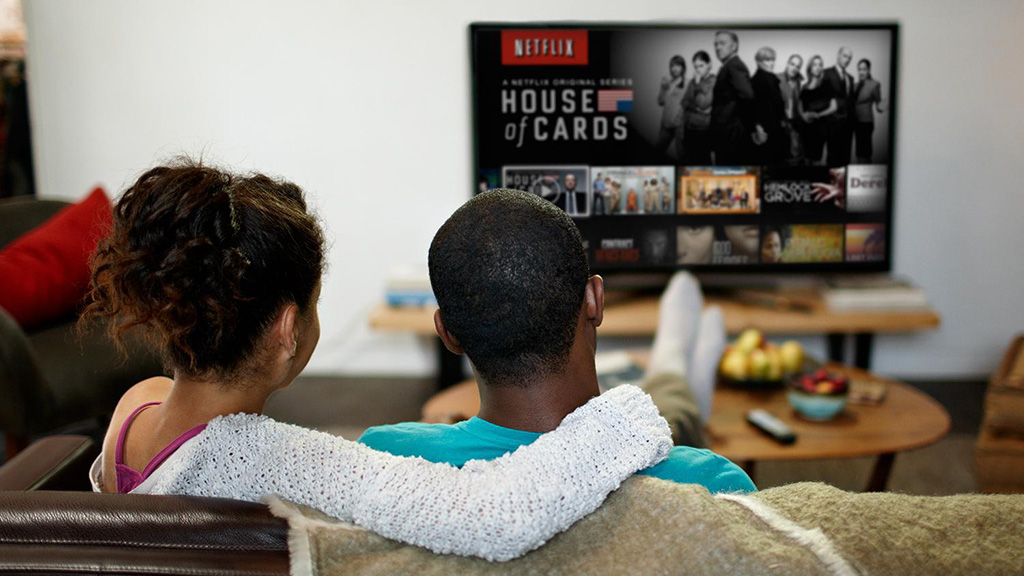
Netflix supports Dolby Atmos on some of its titles, but not all – you’ll be able to see which shows and films support the format as they have an Atmos icon next to their description.
You’ll need a Netflix subscription that supports streaming in Ultra HD, a TV, smartphone, or tablet that supports Atmos, as well as an Atmos-capable audio system. Your streaming quality will also need to be set to High or Auto.
Other streaming services that support spatial audio in the form of Dolby Atmos include Disney Plus, Hulu, Vudu, HBO Go, and Rakuten.
Apple TV Plus
As you may have guessed, Apple TV Plus comes with support for the brand’s Spatial Audio feature, as long as you’re watching with a pair of AirPods Pro or AirPods Max headphones. If you’re watching using your home cinema system, there are a number of titles available in Dolby Atmos.
Tidal
You can stream your music from Tidal in glorious spatial audio through your Atmos-enabled set-top box, TV, or speaker system. You'll need to have a $19.99 / £19.99 / AU$23.99 per month Tidal HiFi account to take advantage of this feature, as well as the right kit to properly experience the Dolby Atmos effect.
The immersive audio format is also available on compatible Android phones and tablets, though this requires you to listen through headphones, so you won’t be getting ‘true’ Atmos.
To find tracks in Atmos, looks for the Dolby symbol beside songs in the Tidal app.
Amazon Music HD
Amazon Music HD is the company’s Hi-Res streaming tier comes with a growing catalog of spatial audio music designed to be played with the Echo Studiosmart speaker, including tracks mastered in Dolby Atmos and Sony’s 360 Reality Audio.
Compatible tracks will appear with a 3D badge, and Amazon has also curated 3D audio playlists – though you can only experience them using the Echo Studio. Amazon Music HD costs $12.99 / £12.99 for Prime members, and $14.99 / £14.99 for everyone else. At the time of writing, the tier is still unavailable in Australia, but that works out at around AU$16 / $19.
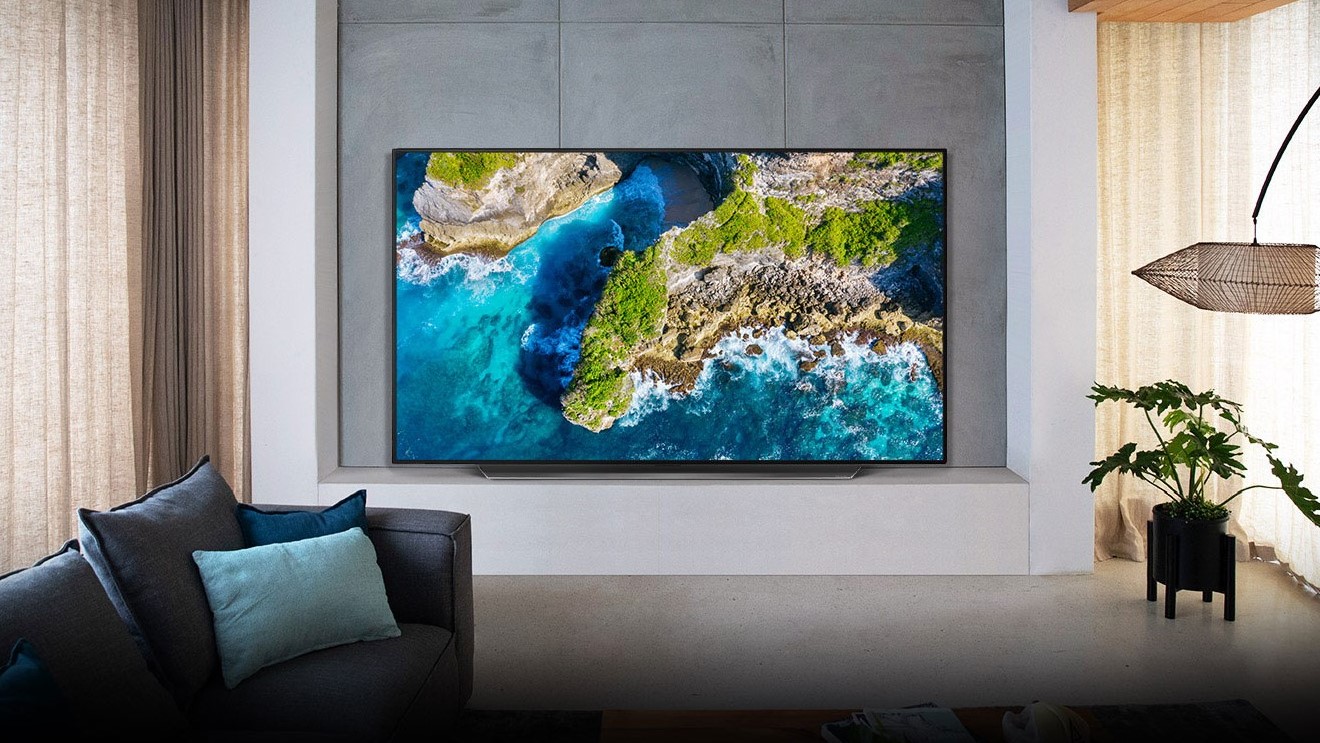
While some Dolby Atmos-compatible TVs come with decent built-in speakers, you’ll probably want to hook them up to an external soundbar or speaker system to get the most out of the 3D audio format.
As well as playing Dolby Atmos movies, you can get Dolby Atmos Music tracks via the Tidal app on compatible Android TVs from Sony and Philips.
Streaming devices
Many streaming dongles and boxes come with support for both Dolby Atmos and DTS:X, including the Chromecast with Google TV, Amazon Fire TV Stick HD, Apple TV 4K, and the Roku Streaming Stick Plus.
One of the biggest announcements surrounding the PS5 was that is would come with 3D audio, using its own proprietary tech instead of allowing for Dolby Atmos support.
Right now, you can only experience it through Sony’s own Pulse 3D Wireless Headset, though it’s expected that it will eventually be available via third party headphones, soundbars, and speakers.
The Xbox Series X on the other hand, comes with Dolby Atmos upmixing, taking a non-Dolby Atmos source and turning it into an approximation of Dolby Atmos sound.
The effect isn’t as immersive as true, encoded-at-source Dolby Atmos, but as the upmixing technology was developed by Dolby itself, you can be fairly confident that upmixed audio will pack more of a sonic punch than non-upmixed sources.
Unlike the PS5’s 3D Audio technology, you can experience the Xbox Series X’s Dolby Atmos upmixing tech with your existing compatible speakers or headphones.
The Sonos Arc(Image credit: Future)
Soundbars
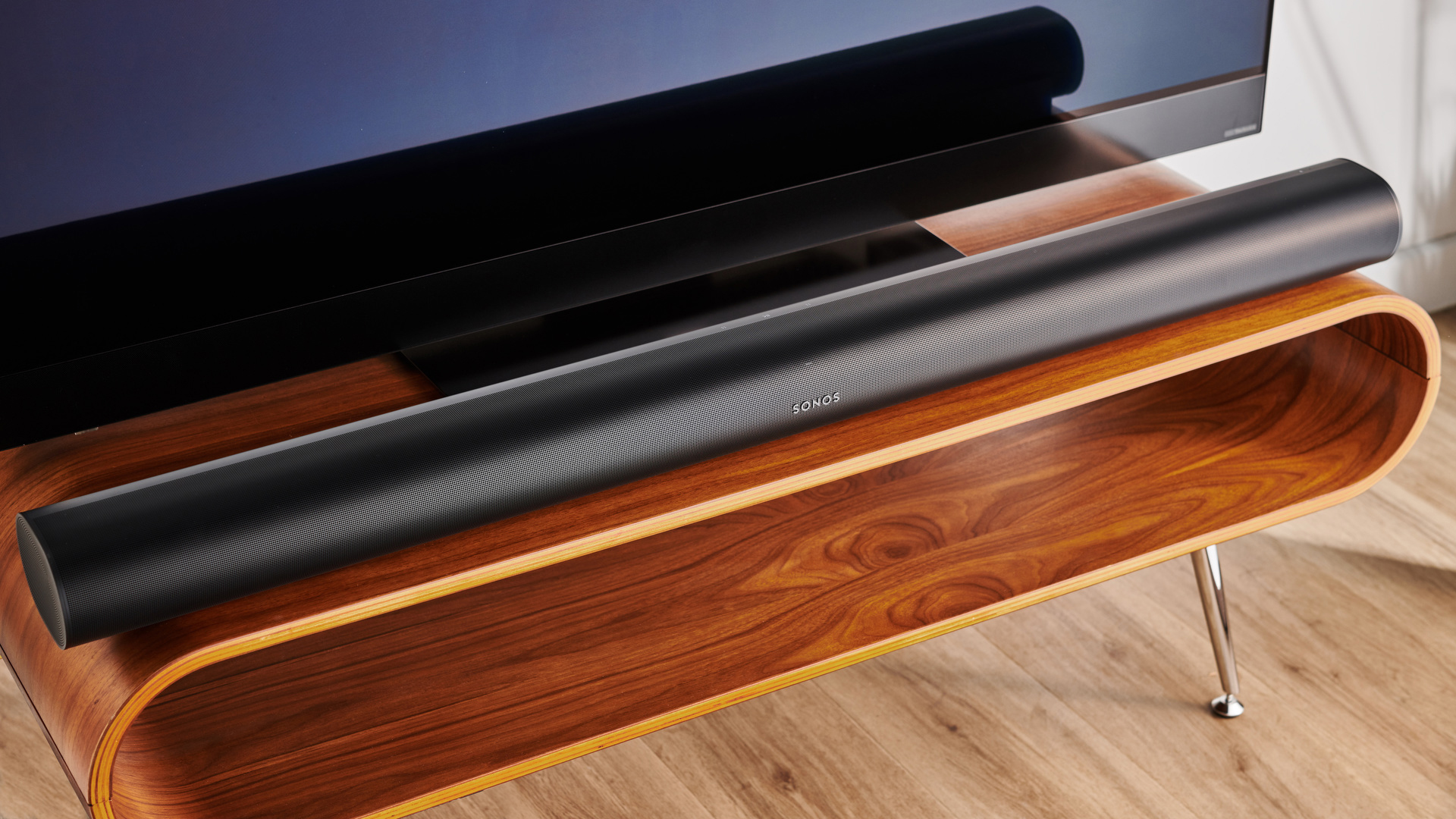
Dolby Atmos and/or DTS:X support is becoming something of a standard for premium soundbars these days, with models like the Sonos Arc coming with dedicated upfiring tweeters that bounce sound up to your ceiling and back down to your ears.
Many soundbars that don’t have upfiring tweeters come with support for Atmos Height Virtualization or DTS: Virtual X, using height cues to trick your ears into thinking the sound is coming at you from all angles.
There are also more niche soundbars like the Creative SXFI Carrier, which combines the immersive sound of Dolby Atmos audio with the unique virtual surround sound of Creative's own Super X-FI technology.
It's the first soundbar to support Super X-Fi technology, but you can only experience it if you plug in a pair of headphones – otherwise, Dolby Atmos is there to take up the spatial audio reins.
AVR setups with multiple speakers
If you want to add spatial audio to a multi-speaker setup, you can do so by adding a compatible AVR (audio-visual receiver).
Many of today’s AVRs come with Dolby Atmos support, as well as DTS:X compatibility as standard. The inclusion of the latter technology means you can use them with your existing speaker setup and Blu-ray player without the need for extra height channels.
If you do want to get a more immersive experience however, you can buy add-on height channels like the PSB Imagine XA Dolby-enabled speakers to bring upfired sound to your existing setup.
If you want to add spatial audio to a multi-speaker setup, you can do so by adding a compatible AVR (audio-visual receiver).
Many of today’s AVRs come with Dolby Atmos support, as well as DTS:X compatibility as standard. The inclusion of the latter technology means you can use them with your existing speaker setup and Blu-ray player without the need for extra height channels.
If you do want to get a more immersive experience however, you can buy add-on height channels like the PSB Imagine XA Dolby-enabled speakers to bring upfired sound to your existing setup.
The Amazon Echo Studio(Image credit: Amazon)
Wireless speakers
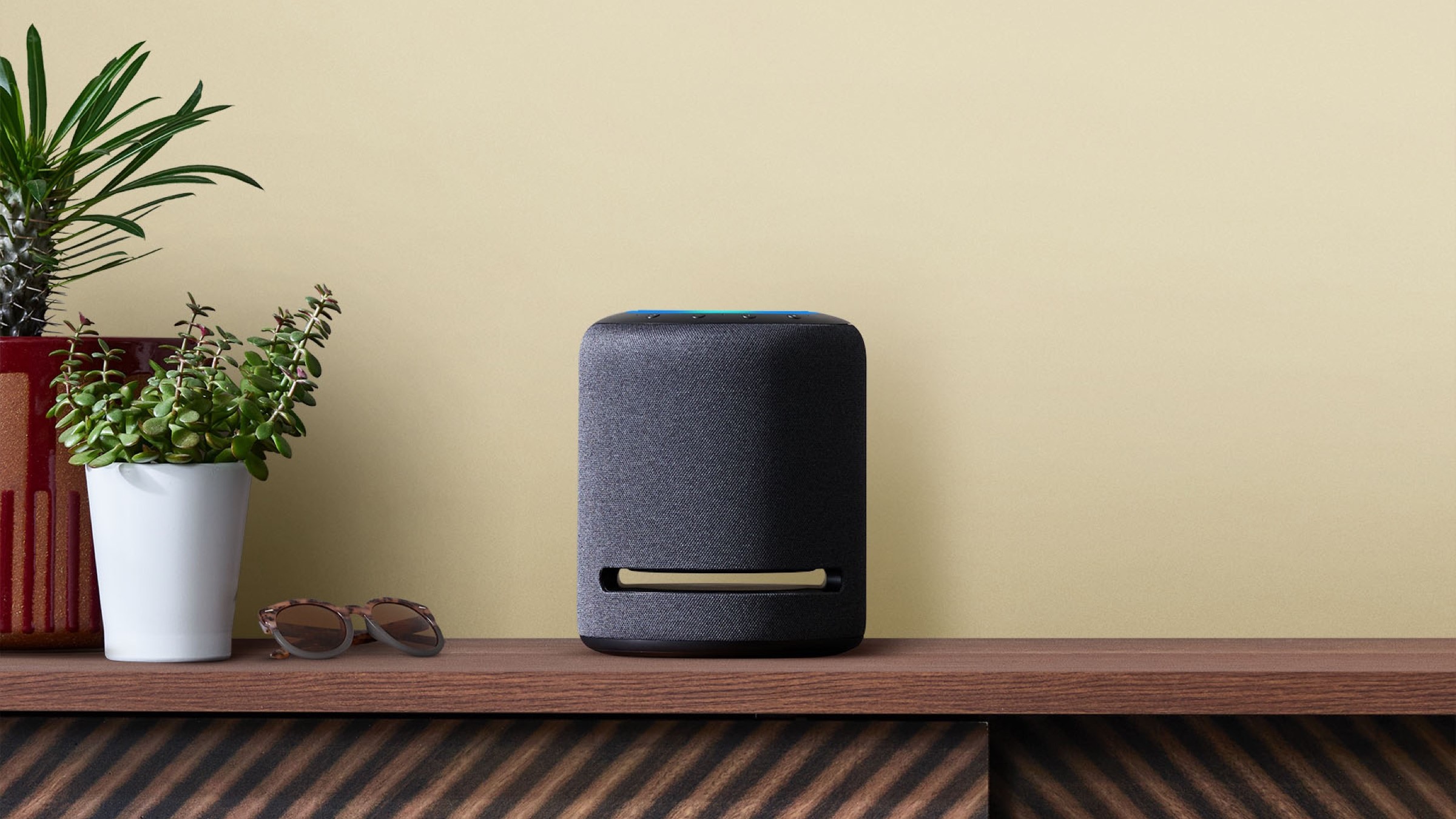
There are but a few wireless speakers that support 3D Audio. The first wireless speaker to support Dolby Atmos was the Echo Studio, which also comes with support for Sony’s 360 Reality Audio.
It was followed soon after by the Apple HomePod, which gained Atmos support via a software update in 2020.
Neither of these smart speakers come with upfiring tweeters, so you’ll only be getting a virtual 3D audio experience. If true sonic height is important to you, you may be interested in Sony’s latest 360 Reality Audio-toting wireless speaker. The Sony SRS-RA5000 features a trio of up-firing speakers that spread audio vertically, giving your music a sense of height – and the company hasn't shied away from making them the star of the show, furnishing them in contrasting copper or silver depending on your choice of color.
We’re hopeful that more wireless speaker manufacturers will include support for spatial audio in future models, and we think it’s increasingly likely as more music streaming services explore more immersive codecs.
Headphones
The Apple AirPods Pro and AirPods Max are probably the most popular headphones to boast immersive sound, with the brand’s own Spatial Audio technology on board.
Of course, this is limited for use with a select number of iOS devices, so you’ll need to already be plugged into the Apple ecosystem to take advantage.
Sony’s 360 Reality Audio is much less partisan, with the company saying that it works with headphones from most manufacturers. Saying that, the tech works best when using Sony’s own headphones, including the best headphones of 2021, the Sony WH-1000XM4.
With compatible Sony models, you can use the Headphones Connect app to analyze your ear shape with your phone’s camera, which is used to optimize the sound output of your headphones for 360 Reality Audio.
Creative’s SXFI Air Headphones work in a similar way, albeit with the company’s own spatial audio tech on board. The company also makes dongles that add the technology to third-party headphones.
Super Bowl LIV in 2020 could end up being quite a milestone for the NFL. Depending on who prevails in this year's big game, it may just have marked the beginning of a Kansas City Chiefs dynasty - here's how to get a Super Bowl live stream in 2021 and see this February's mouth-watering Mahomes vs Brady duel for yourself.
But it also marked the first time ever that the Super Bowl was available to watch in Ultra HD definition and with HDR support, leaving many people to wonder: can you watch Super Bowl 2021 in 4K HDR as well?
Given that technology by its very nature tends to move forward, you'd think the answer would yes - but sadly, Super Bowl 2021 will only be aired in HD this year and therefore won't offer HDR support.
The reason for this is, according to Super Bowl broadcaster CBS, is Covid-19 production restrictions - which is understandable, if frustrating for fans hoping to catch all the action from Raymond James Stadium in stunning UHD.
As CBS is the only network to be shooting the game from Tampa - international broadcasters like Sky in the UK or Kayo in Australia host their own in-house broadcast, but use a CBS feed of the game itself - it means that Super Bowl 2021 isn't available in 4K anywhere.
This will give all the people looking to get a new TV in time for Super Bowl LV pause for thought. A bit like phoning in sick the Monday after the big game, buying a new TV for Super Bowl has become something of a tradition in the US. So let's quickly discuss if it's still an investment worthwhile making in 2021.
Related: Thebest VPNsfor Super Bowl and everything else
Should I still buy a 4K TV for Super Bowl?
We hate sitting on the fence, but it really does depend.
Whether you're upgrading from HD for the first time or simply looking to equip yourself with a more modern set, there are loads of amazing Super Bowl TV deals out there this year. Super Bowl 55 notwithstanding, there's more Ultra HD and HDR content available than ever before.
Christopher Nolan's recent blockbuster Tenet immediately springs to mind as one of the absolute best 4K movies right now, but these days commonplace streaming services like Netflix, Amazon Prime Video, Disney Plus, and Apple TV+ offer UHD content by the boatload - from old upscaled favorites like Breaking Bad to the latest seasons of hits such as The Crown, a new 4K TV will enhance your viewing of all this and more.
On the other hand, Covid-19 hasn't just placed production restrictions on major networks, it's seeing many if not most people financially stretched like never before. Given this is the case, a more prudent approach buying a new TV and electronics isn't just understandable, it's completely advisable.
If you've decided to temper your new TV expectations rather than hold off entirely, know that 4K has never been more affordable than it is right now. Brands such as Hisense and TCL have shaken up the market for the better with their affordable offerings, forcing the AV market's biggest players like LG, Samsung and Panasonic to follow suit.
As a result, it's not just the whopping 65-inch, $1,000+ sets you see at the mall that you have to choose from if you want to buy a new 4K TV. Check out guide to the best cheap TV deals for a handpicked selection of the top bargains right now.
We're not expecting to see the iPhone 13 until September, but there's already been plenty of speculation about the changes that Apple's next flagship handset might bring with it – and the latest rumor is that it could do away with the front display notch entirely.
According to @MauriQHD on Twitter, one of the more well-known and reliable tipsters out there, Apple has a prototype iPhone 13 device that doesn't have a notch but that does have slightly thicker bezels around all four sides to compensate.
However, there's no guarantee that this is going to make it to the iPhone 13, due later in 2021. The notch-less design that Apple is working on might not be finalized and ready until the iPhone 14 rolls around, the same source says.
The notch has been a feature of the iPhone ever since the iPhone X broke cover in 2017, although Apple still sells the iPhone SE that makes use of the older Apple smartphone design – thicker bezels, no notch, and a home button underneath the display.
To notch or not to notch
The rumors we've been hearing around the iPhone 13 so far have certainly been notch-heavy: the idea that the phone will have a smaller notch is one that has been floated several times by different people in the know.
It certainly makes sense that after four years Apple would have refined the camera tech inside the notch to be able to make it a little bit more compact. Even if it gets smaller, it could add more sensors – including, perhaps, a LiDAR scanner.
Big strides forward are also being made across the industry in terms of in-screen camera technology, which could eventually remove the need for a notch altogether. It doesn't seem likely that Apple would have that sort of tech ready this year, however.
We'll have to wait and see what Apple is planning for the iPhone 13 and how it might position the front-facing cameras and sensors with no notch – presumably they would go inside that thicker bezel. Expect plenty more to be revealed between now and September.
In the last two years, a whole new industry has emerged within the blockchain and cryptocurrency universe, that of decentralized finance (or DeFi for short).
Built predominantly on the Ethereum blockchain, DeFi is the crystallization of ambitions held by the architects of cryptocurrencies, to build a fully fledged financial system controlled by no single entity.
The arrival of crypto allowed us to send and receive money with no intervention from an intermediary (e.g. a bank), but the rise of DeFi allows us to borrow, lend, save, speculate and more under the same conditions.
For example, with DeFi lending protocols such as Compound, anyone can take out a cryptocurrency loan backed by collateral or gain interest by lending out their own crypto, irrespective of their identity and financial history.
Decentralized exchanges (DEXs), meanwhile, facilitate peer-to-peer transactions without the need for an intermediary that holds custody of the funds. Unlike on traditional crypto exchanges, users can also trade any Ethereum-compatible token for any other, provided there is supply and demand.
As explained by Michael Beck, Project Lead at DeFi risk management firm UNION, “DeFi apps are built on smart contracts, like traditional DApps, but they strive to decentralize the role of governance and the custodial role of the application.”
“That’s favorable from the perspective of DeFi because people are putting a lot of value into smart contracts, so they want to know there’s no single person who can pull the rug out from under them.”
And Beck is right to suggest that money is flooding into decentralized finance. According to data from DeFi Pulse, almost $25 billion is currently locked up in DeFi smart contracts, up from just $15 billion at the start of the month and less than $1 billion a year ago.
However, while there is clearly significant value to be found in this burgeoning new financial ecosystem, there is also considerable risk, especially for the unwitting investor.
DeFi risk and reward
The earliest adopters of new technologies are always positioned to gain the most in the event the product or service enters the mainstream. If someone had purchased Bitcoin five years ago, for example, their investment would be worth 100x its original value today.
The benefits of early adoption, however, are only realized if the investor manages to back the right horse. And the same can be said of the numerous DeFi projects emerging today.
Yield farming is a DeFi practice whereby users lend their own cryptocurrency to a project, earning interest in exchange for providing liquidity. In some cases, stakers are also compensated with a governance token, which gives them a “vote” on the future of the project and can also be exchanged via a DEX.
To optimize the return on their investment, yield farmers often transfer funds between different protocols, in search of the greatest annual percentage yield (APY). This is the driving force behind the growth of DeFi right now.
However, risks associated with yield farming are great, especially for retail investors. High transaction fees, market volatility and security incidents linked with vulnerabilities in smart contracts can all result in the value of an investment falling through the floor.
“We all make a trade when we move from centralized to decentralized products,” says Beck, who casts the conundrum as a question of reliability versus innovation.
“Centralized products have a strong brand reputation and pedigree, and operate in ways that have been tried and true for years. When you move over to decentralization, you find a little more innovation, but there’s a commensurate level of risk.”
Comparisons could be drawn between the current state of DeFi and the ICO boom of 2017-18, during which period investors pumped billions of dollars into new crypto projects in the hope the associated coins (akin to shares) would appreciate in value. Many of these projects were rotten, however, and a large number of people lost much if not all of their investment.
Given the esoteric nature of blockchain and the complexity of the various lending and borrowing mechanisms at play in the DeFi ecosystem, it will be challenging for the average investor to distinguish between DeFi projects with real value and those that are riding the hype.
“For someone with only a few tokens in their pocket, DeFi is incredibly risky, expensive and complex. We look at those factors as barriers to participation,” Beck told TechRadar Pro.
“If you think about the aspiration for blockchain and cryptocurrency to ultimately provide self-sovereign democratization of finance, it’s hard to see how DeFi can succeed as things stand.”
According to Beck, however, there is a way to open up access to this thriving new financial ecosystem without exposing investors to dangerous levels of risk.
Insuring against disaster
Set to launch imminently, the UNION protocol is designed to address barriers to entry for retail investors by insuring against eventualities that might result in the loss of funds.
It does so through so-called umbrella tokens, which Beck explains can be compared to policies taken out with a traditional insurer, that bestow certain benefits on the holder.
“These products provide flexible tooling, so people don’t necessarily have the exposure that they would in an uncovered DeFi market,” he said.
The protocol itself allows for various different types of composable benefit structures, which can be shared across multiple policies. This means UNION can underwrite occurrences that could threaten the value of investments, such as collateral optimization issues, fluctuations in transaction fees and smart contract failures.
Whereas comparable DeFi insurance platforms, such as NexisMutual, might insure against the failure of a specific smart contract, UNION hopes to set itself apart with policies that cover a broader range of risks at once.
Unlike other insurance protocols, UNION is also able to sidestep certain know your customer (KYC) requirements, because the bearer of an umbrella token does not profit from it directly. This means anyone is able to take out a policy without having to hand over personal information.
This combination of qualities, Beck hopes, will address risk-related barriers to entry, while also catering to participants for whom privacy and decentralization is the number one concern.
While projects such as UNION may go some way to offsetting the risks associated with investing in DeFi, peril can never be eliminated entirely and may also take on new forms as the ecosystem evolves.
An attribute known as composability means that new DeFi projects can build upon and connect up to existing applications and infrastructure, creating something new entirely. But this may also pose problems for investors, Beck claims.
“The more projects there are, the more unexpected interactions between them.”
The end of 2020 saw a conversation take place within the gaming community which took a nasty turn for the worse. It was about black female representation in gaming, and the support – or perceived lack thereof – received by black women from games companies and the community at large.
We’re going to do our best to give a rough breakdown of events and provide some clarity to a difficult issue. To conclude we’ll list ten great well-established black female content creators you might want to check out.
Do black women content creators need more support? Are they perhaps under the radar because they’re not as polished, or is there something more sinister at play? Are content creators right to speak out if they feel underrepresented or excluded? Well, let’s find out.
So, what’s the big issue?
On September 23, 2020, Stephanie Ijoma, black streamer, content creator and founder of gaming platform NNESAGAlisted on Twitter the streamers and content creators who had received next-gen review consoles. “Alright, let’s play a game,” she wrote, “called ‘notice a pattern’”.
Alright, let’s play a game called, “notice a pattern” in this thread:September 23, 2020
The thing the console recipients had in common was they were overwhelmingly white and male.
Later that same day, woman of color Twitch streamer and content creator ZombaeKillz also tweeted that she and other black women would benefit from seeing people like her doing console reviews, rather than “black and brown adjacent MEN”.
Some of us black women have had a love for consoles forever. I adore xbox . I wanna see them in the hands of people that look like me for reviews. Not just the few black and brown adjacent MEN. I would love to watch youtube videos by us for us on tech. like this tweet if same!September 23, 2020
She went on to talk about the importance of representation and the lack of protection for black women, referencing Malcolm X’s famous “Who taught you to hate yourself” speech and ending by hashtagging Breonna Taylor, a young black woman victim of police brutality who was fatally shot in her home by plainclothes Kentucky Metro Police officers.
Exactly a month after, on the October 23, 2020, ZombaeKillz tweeted at PlayStation, saying she had noticed a lack of representation of women of color to review its new PS5. “I’d like to volunteer myself if you needed help in finding people to do so,” she said.
Both women were heard by Sony and Microsoft, who each responded with a console.
Hi @PlayStation , We noticed a lack of representaion of WOC ,in specific black women, reviewing your console. I'd like to volunteer myself if you needed help in finding people to do so. I have written review articles for Toms Hardware and would love a chance to do so. Thank youOctober 23, 2020
Not too long after, Stephanie and Zombaekillz (real name Natasha Zinda) appeared on YouTube channel Inside Gaming on a video titled “Why console makers need to support POC [people of color] creators”. They elaborated on why they thought games companies should make a point of including people from minority groups in their marketing.
“This year in particular,” Stephanie said, “has taught me to don’t not just say anything, [to] speak up. If there’s a problem, try and … say something until the right people get the attention.”
In response to this, white male content creator Griffin Gaming made a video in which he soundly mocked the women, claiming that their actions constituted nothing more than a shameful attempt to secure themselves a free console by accusing the companies of racism.
It should be pointed out that neither of the women accused Sony and Microsoft and other large companies of outright racism, but rather a lack of appreciation and massive underrepresentation of women of color.
“It wasn’t about me just getting a Xbox and a PS5,” said Stephanie. “It was about – where are the black women who are actually able to review these consoles? Where are the LGBT community that I want to hear from and their experiences?”
However, there were reasonable criticisms to be made of the women’s approach, like Natasha’s choice to hashtag Breonna Taylor. It was not clear why she added the hashtag, and for many it was offensive. Did she hashtag her name to emotionally blackmail Microsoft? Because to many that was how it came across. Was it to cement her argument? If it was, it was in poor taste.
Perhaps it was to remind them of the Black Lives Matter support they had pledged earlier that year following the murder of George Floyd, and Ahmaud Arbery, a much more valid reason.
There were other criticisms: that race had nothing to do with the reviewing of consoles; that pointing out that white male content creators were overrepresented in the gaming world was itself racist.
Following Griffin Gaming’s video, Stephanie and Natasha encouraged their followers to mass flag it. This dubious move had, as you could have predicted, an effect entirely opposite to what was intended.
This is griffin gaming discord server. https://ift.tt/3cs1tMr and his racist community have been plotting and planning to lynch us. TW: there’s a lot of racist, sexist, homophobic comments in there. You know what to do. REPORT and let’s get it closed@discordNovember 25, 2020
Griffin Gaming’s followers were incensed and soon subjected Natasha and Stephanie to verbal abuse, death threats, trolling, attempted hacks and doxxing. The women did not back down and continued to encourage their followers to flag Griffin Gaming’s video in the hopes that YouTube would see it and then take it down.
In the end he decided to take the video down himself for fear of violating YouTube’s rules and subsequently receiving a strike against his channel, which could lead to him losing it all together.
Even more of Griffin Gaming’s followers turned up to harass Stephanie and Natasha. This however did not deter the women, as they believed what they were fighting for was indeed justified, and their words were willfully twisted by Griffin.
Many of Griffin’s followers including YouTube channel The Quartering decided to wade in with their own commentary, mostly repeating Griffin’s points.
Numbers vs influence
One of the better arguments put to Stephanie and Natasha was, why would Sony and Microsoft give you a console? They’re for-profit companies. Your audience is too small; they care about numbers.
Surely they are sent to creators with a large following in the tech space and a track record of providing impartial opinions. Trying to use your gender or ethnicity to score a free console doesn’t sit right with me...October 23, 2020
But are numbers the be-all-and-end-all of marketing? Natasha argued that though her audience was small it was loyal to her.
Black women and the black market in general are a market to tap into. In a Nielsen press release dated September 12, 2019, African American Spending Power Demands That Marketers Show More Love and Support for Black Culture, Cheryl Grace, Nielsen’s Senior Vice President of Community Alliances and Consumer Engagement states: "This year, we wanted to help brands and marketers understand the multi-faceted process that Blacks take to buy the products they buy. There are several drivers, but culture is at the center of them all. Further, with their love for technology, they are much more savvy and conscious consumers. They are as we say, ‘woke.’ They pay attention to how companies are speaking to them. As they spend more, they want more for themselves and from the brands they support."
I mean, if that isn’t a good enough reason to better represent black people and women in particular in the gaming space, I really don’t know what is.
In an article published in 2018 on the Black Detour by Summer Moore, titled ThePowerof the Black Dollar, Moore states that black buying power is estimated to rise to $2 trillion by 2020, which, according to the World Bank, makes black people one of the largest economies in the world.
Black buyers, particularly black women, are loyal customers. They will come back if they are recognized, respected and offered a great service. This serves as a response to another argument that was made: what does it matter what color a tech reviewer is? Surely the product is what matters.
Agree 100%! When I see content by women gamers, or POC, or ANYBODY that doesn’t simply look like me (another white guy), it makes gaming feel more “legitimate“ to me, if that makes sense. I want a bigger world than just another “white guy“ thingSeptember 24, 2020
There aren’t many people from minority groups that would say such a thing, because they understand the importance of community, and look for spaces that accept them, and people they can relate to. That’s why there are LGBT+ groups, indigenous groups, black groups, groups for people with disabilities and so on and so forth.
To be perfectly honest, the majority of the pushback was from white male, (and some female) content creators, particularly followers of Griffin Gaming and the Quartering. It is important to note, however, that there were a few black male content creators who were of the same mind as Griffin and even made videos expressing their distaste with ZombaeKillz and NNESAGA.
We do not in any way condone calls to mass flag a video out of spite or because you can’t take an opposing view, but in this case the reason for calls to mass flag this content was to avoid what eventually ended up transpiring; the hate mob descending upon these women, and anyone that chose to see their very justified point of view, because Griffin Gaming had distorted their whole message.
This pushback wasn’t attempts at healthy honest discourse, or to attempt to reach some kind of middle ground or understanding of each other’s points, it was merely to tell both women to put up and shut up. Just deal with it, just get over it, accept the bare minimum, and be happy.
For people who felt the “race card” was being played, it was very telling to see the sheer amount of racist vitriol thrown at both women... very telling indeed.
Now, if both Natasha and Stephanie were in fact doing what Griffin Gaming, The Quartering and other content creators who jumped on the blind criticism bandwagon believed then, yes, they would be justified in feeling disgruntled. But not to attack and harass: to point out the errors, hypocrisy and double standards in a civilized manner.
(Image credit: Leremy / Shutterstock)
A voice of reason?
Then came along the most unlikely voice of reason: Mr Keem “Drama Alert” star himself, the hugely popular and controversial drama YouTuber with a following of 2.8 million followers on Twitter and 5.8 million subscribers on YouTube.
The reason we refer to Keemstar as an unlikely voice of reason, is he has in the past been accused of racism himself, and other unsavory behaviors that have put his channel in jeopardy.
Keemstar was barraged with requests for comment. You can’t help but suspect these people were hoping he would side with them and lambast the two women.
have you heard about the drama between griffin gaming and zombaekillz and nnesaga. They sent their fanbases after griffin because he made a video about them and now his channel and discord server are being investigated.November 27, 2020
He didn’t. He took a step back and thought about their points, and decided they had some good ones.
In particular, he realized he didn’t even know any black female streamers. He asked his followers to suggest to him good ones, promising to check them out and report back with recommendations.
Many of his followers believed there just weren’t any, and if there were, they’d have a low number of followers, be boring and bad at games.
There were however some suggestions that met his criteria; Keemstar himself had even offered up a few that he deemed worthy of supporting.
We think there are many lessons to be learned from all of this. When an individual or group asks to be recognized, it doesn’t mean that they are begging for sympathy or for an easy or free ride. Nor does it mean there are no other minorities that have issues that they need help with.
Listening without waiting for a chance to speak or criticize is key to being clear and fully informed before entering a debate, and avoids any misunderstandings, or the need for fake outrage.
And some conversations don’t require your input and that’s OK, because how can you see something that you’re not affected by? It wouldn’t even be on your radar if you had no experience of it, so why argue with someone who does know about it?
It is, however, also important that whether or not you like a person’s point of view, they should permit them their right to express it. Attempting to silence someone because they do not agree with you – or in this case have totally misunderstood you – is not acceptable.
Everyone can be criticized, and everyone should have a right to express their opinion. That does not mean there won’t be consequences to expressing that opinion, but it shouldn’t be from a place of hate, and intent to harm and that applies to both parties.
So, in light of this entire saga, here’s a list of some – not all, because there are a lot more to mention – individual black women streamers and content creators who have large followings that without qualifications justify sponsorship from games companies and organizations.
Black Women streamers, in numbers
Xmiramira
(Image credit: Xmiramira)
First up is Amira Virgil better known as Xmiramira. A Twitch streamer and content creator, she is one of the most influential women on our list.
She is especially famous for her Melanin Pack custom content for the Sims, which adds diverse characters and skin tones to the game.
She recently joined gaming collective Queens GG and was part of the winning team on the reality show The Sims Spark’d.
She was also part of the process of diversifying skin tones in The Sims recent legendary update, and heavily credited (along with Ebonixsims) for being the main reason why the update was even happening in the first place.
Amira has a large following on all her socials, with 28.5k followers on Twitter, 41.4k followers on Twitch and 103k subs on YouTube.
She also has a website where you can check all things Amira and The Sims custom content.
CupAhnoodle
(Image credit: CupAhnoodle)
Next up is the mayor of Cupton herself (self-appointed; don’t go reaching out for legislation changes in Cupton, Southern California now).
Kason, better known by her gamer name CupAhnoodle, is a popular streamer, presenter and content creator.
She boasts a following of almost 35k followers on Twitch, over 4k subs on YouTube and over 8k followers over Twitter and Instagram.
Kason is a multi-game streamer with a particular penchant for horror games.
She was also one of the people appointed by Twitch to be on its Safety Advisory Council, an effort to reduce harassment of its users.
Ebonixsims
(Image credit: Ebonixsims)
Ebonixsims, or just Ebonix, is a Sims custom content creator and streamer from the UK. Her custom content for the game provides black cultural hairstyles, fashion, jewellery, makeup and much more.
Ebonix has a following of 15k on Twitch, and over 30k on Instagram and Twitter combined. She has a website where Sims players can go to spruce up their game, and a Patreon page for special perks.
Like Xmiramira, Ebonix was recently asked by EA to help them, after over 20 years, improve the available skin tones in the game.
She has also created a platform for black UK streamers called Black Twitch UK with best friend and fellow beloved Twitch streamer GeekyCassie.
JazzyGuns
(Image credit: Jazzy Guns)
Jasmine, better known by her gaming name JazzyGuns, is a YouTuber with over 400k subs and 160k+ followers over Twitter and Instagram.
Last year she won YouTube streamer of the year in the GameHERs awards. She had already reached popularity through her main YouTube channel DwayneNJazz, which has well over two million subs and where she and partner Dwayne make reaction and prank videos.
iAM_iKandi
(Image credit: iAM_iKandi)
Kandi, better known as iAM_iKandi is a multiplatform streamer and content creator from Atlanta Georgia. You can find her streaming on YouTube, Twitch and Facebook Gaming.
Kandi is a Twitch, YouTube and Facebook Partner with over 24k followers on Twitch, 4k subs on YouTube and almost 2k followers on Facebook. She mainly streams Apex Legends and has the number one Apex TikTok community, with over 131k followers.
Chastity, better known as Girl Gamer Chas is a rugby player, streamer and content creator from Memphis Tennessee.
She is a Twitch Partner with almost 200k followers, and in addition to Call of Duty, GTA V and Fortnite mainly streams EA’s NBA 2K20.
Chastity has over 20k followers on both Instagram and Twitter and an Onlyfans account for her adult followers. She has a YouTube channel where she uploads everything from gaming content to gaming tips and other things that are of interest to her.
AyChristeneGames
(Image credit: AyChristeneGames)
Christene, also known as AyChristineGames is a video content creator on YouTube. She mainly posts playthroughs and reaction videos among other content on her channel. She loves to share happiness, positivity and inspire people.
Briana, Bri to some, and better known as Storymodebae, is a variety streamer on Twitch.
Boasting over 18k followers on the platform and 15k followers on Twitter and Instagram, she is also a presenter and Twitch Ambassador.
As her name suggests, she has love for games with rich storylines, like Cyberpunk 2077. She also plays Among Us and Drug Dealer Simulator.
Storymodebae is sponsored by AMD and you can join the Bae Brigade on Discord.
MissDoitBig
(Image credit: MissDoitBig)
Missy MissDoitBig is a Twitch streamer and content creator from the US.
Missy is a Twitch Partner and was previously a Twitch Ambassador for TwitchCon 2019. She has 26.3k followers on Twitch and over 7.5k followers on Twitter and Instagram.
She has a YouTube channel where she uploads a variety of content from her streams, mainly from Fortnite.
Missy is a variety streamer, and some of the titles she plays include Valorant, Rust, Among Us and Fortnite.
MsAshRocks
(Image credit: MsAshRocks)
Ashley or MsAshRocks is a Twitch streamer and content creator on Twitch and YouTube. She is the founder of Twitch team Team Rock Squad.
She has a following of almost 25k on Twitch. She is also on Twitter and Instagram and has a combined following of over 1.3k.
While Twitch is the main platform that she streams on, she also uploads funny videos, gameplay, stream highlights and vlogs on her YouTube channel.
Black women and women of other races in the gaming community are not asking for performative allyship or sympathy follows. No black person – female or otherwise –wants you to follow them for sympathy, just like the content creators that innocently shared their feelings about impediments they experienced in this industry were not looking for free consoles. They are looking for change, real support and genuine inclusion.
Eventually we’ll get to a point where all women in gaming can express themselves, their opinions, and their beliefs without fear of bullying, recrimination and harassment. Until then, stand strong and don’t be discouraged from asking for that change – while it’s exhausting, “Rome wasn’t built in a day.”