from Engadget RSS Feed https://ift.tt/3jk2Hd4
via IFTTT https://ift.tt/2ChGGLV
Asics has launched a new virtual running event, allowing teams from all over the world to compete in a virtual relay for free. Teams can be made up of friends, family members, running clubs, work colleagues, or anyone else you’d like to run with
Virtual running events have existed for years, but have really come into their own during the pandemic as mass participation races are cancelled and people are unable to meet up for regular training face-to-face.
The new event, Asics World Ekiden, is inspired by Japanese running culture. In traditional Japanese races, a ribbon called a tasuki is worn like a sash, and passed from each runner to the next like a baton.
In Asics World Ekiden, the 26.2-mile race is split into six legs of varying lengths to suit the mix of participants. Log your section of the race with the Asics Runkeeper app between November 11 and 22, then pass the virtual tasuki on to the next person.
The event is being managed through the Asics Runkeeper app, which is available for Android, iPhone and Apple Watch. You can use Runkeeper together with almost any GPS fitness tracker, including Apple Watch, Fitbit and Garmin devices.
You and your team will be able to see your global ranking on an online leaderboard, and each member will get customized in-race audio during their run.
You and your team can sign up directly through Runkeeper, or through the Asics Hub. You can also find more info on Twitter using the hashtag #ASICSWorldEkiden.

Rosetta Stone Bonus Pack Bundle | $320 | Amazon

Well, well, well! With the arrival of Google’s heavily leaked, highly hyped new streaming dongle, Chromecast with Google TV, it appears yet another Silicon Valley company has figured out that maybe—just maybe—we do not want to stream everything from our phones.
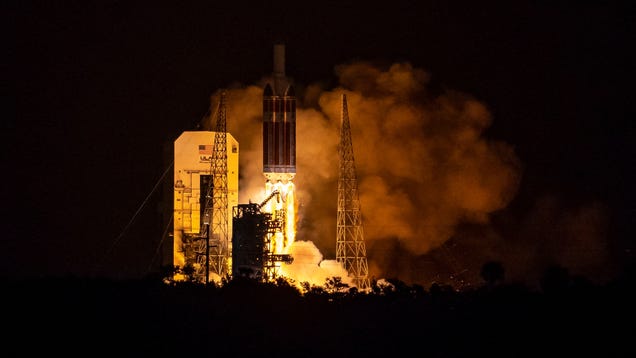
A United Launch Alliance Delta IV Heavy rocket carrying a classified payload for the National Reconnaissance Office will take off from Cape Canaveral Space Launch Complex-37 in Florida shortly before midnight on Wednesday. Assuming, that is, there isn’t another one of the last-minute delays that have hounded the…
Vivo is set to bring the new Vivo V20 series to India ahead of the festive season this year. The company took to Twitter to announce the impending launch and has also started teasing the key features of the upcoming devices.
Going by the promotion landing page, it seems that the V20 Series will be sold exclusively via Flipkart. While the teasers on Twitter and Flipkart do not reveal the launch date, reports suggest that Vivo may announce the V20 Series in India on October 12.
The new #vivoV20 is so slim that your pockets will have space left to spare. Destined to #DelightEveryMoment, #ComingSoon. #vivoV20Series pic.twitter.com/N8bKFWmQVESeptember 30, 2020
The V20 series consists of three different phones - V20 SE, V20 and V20 Pro. While all three phones have been launched in various international markets, it is not yet clear as to whether the company will bring all of them together to India or will hold back some device/s for a delayed-release. Let us have a look at the key specification of all three phones.
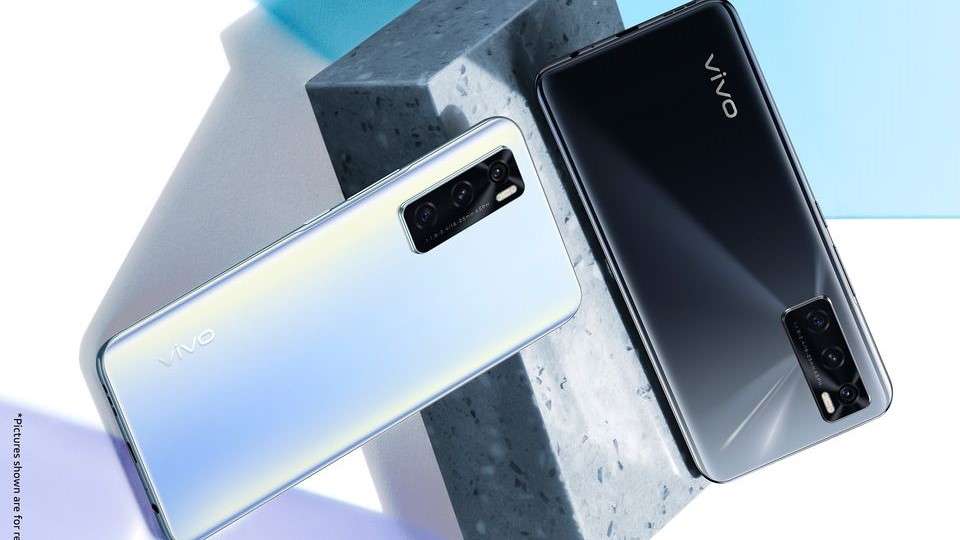
The Vivo V20 SE boasts a 6.44-inch AMOLED display with a resolution of 1080 x 2400 pixels. This display supports 60Hz refresh rate and houses the front-facing selfie camera in a waterdrop notch.
It is powered by a Snapdragon 662 SoC cooped with 8GB of DDR4 RAM and 128 GB of onboard storage that can be expanded via micro SD card. The phone runs on FunTouch OC on top of Android 11 out of the box and has a 4,100mAh battery that comes with a 33W FlashCharge.
Talking about the optics, the Vivo V20 Se has a triple rear camera setup with a 48-megapixel primary camera, 8-megapixel ultra-wide-angle lens and a 2-megapixel portrait lens. On the front, it has a 32-megapixel selfie shooter. A physical fingerprint sensor is located at the back and the phone was launched in Oxygen Blue and Gravity Black colour options.
The Vivo V20 SE was launched in Malaysia for RM 1,199 which translates to Rs. 16,000 approximately.
The official specifications of Vivo V20 are not known yet as the phone is yet to be released. According to 91Mobiles, the phone may come with triple camera setup and one of the sensors could have Vivo X50 Pro like gimbal camera setup. Additionally, it may sport a 44-megapixel front camera along with an ultrawide secondary sensor.
Powering the phone could be a Snapdragon 720G chipset and the phone may come with a 4,000 mAh battery with 33W fast charging tech.
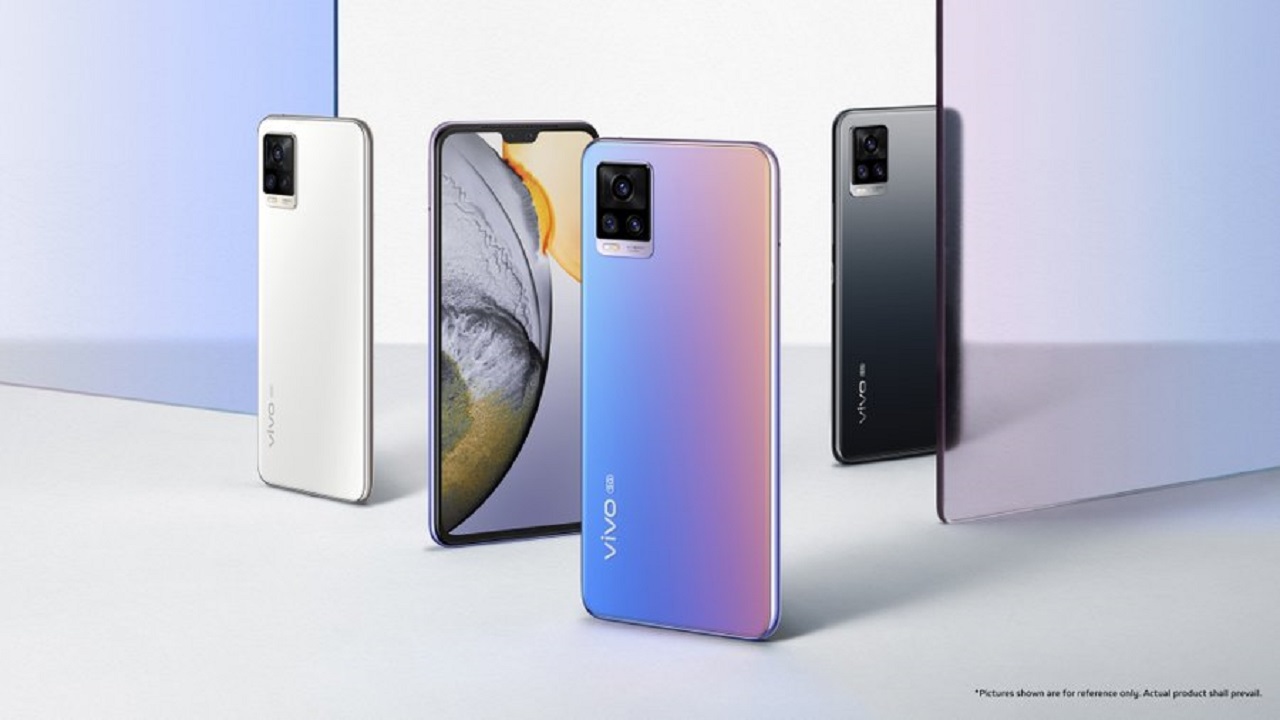
Undoubtedly the most powerful of the three, the Vivo V20 Pro is a 5G capable device and comes equipped with a Snapdragon 765 SoC. It sports a 6.44-inches AMOLED panel offering full HD+ display. It comes with 8GB of RAM and 128 GB of internal storage and is powered by a 4,000mAh battery and that supports 33W fast charging technology.
It houses a triple-camera setup with a 64-megapixel primary sensor, an 8-megapixel wide-angle lens, and a 2-megapixel shooter for monochrome shots. On the front, there is a dual-camera setup with a 44-megapixel primary and an 8-megapixel secondary camera.
The Vivo V20 Pro was launched in Thailand for THB 14,99 which translated to Rs. 35,500 approximately. It is available in Midnight Jazz, Moonlight Sonata colour options. You can expect the phone to be priced slightly lower in India, though.
The range of fast NBN plans on offer has changed drastically in recent months, and there are now three tiers available to households: NBN1000, NBN250 and NBN100.
NBN1000
Is the fastest consumer NBN speed tier, and the small but growing number of ISPs who offer it typically advise a typical evening speed of 250Mbps – though we’ve seen speed test results that place the figure much higher at 900Mbps. If you want blisteringly-fast broadband, this is our pick.
NBN250
The second-fastest tier is NBN250, and it strikes a nice balance between super-speedy broadband and affordability. Again, there’s a small number of providers who offer this speed, and most report an average download speed of 215Mbps during the evening hours – though the actual speed does vary among the ISPs, so be sure to read the fine print. Jump to our NBN250 plan choice.
NBN100
The NBN100 tier is the most affordable option from the fastest NBN category, and you can expect a typical evening speed of around 82Mbps. While the tiers mentioned above are leaps and bounds ahead in terms of speed, they are also limited in their availability – only fibre-to-the-premises (FTTP) and hybrid fibre coaxial (HFC) connections can sign-up in most cases. Here’s our recommendation for NBN100.
NBN100 is available from most connection types, and is often the fastest option available for the millions of Australians using fibre-to-the-node (FTTN) technology. You can read more about each connection type here.
The sheer number of options, providers and contracts can be understandably baffling, but we’ve sifted through all the detail of the fastest NBN plans on offer to bring you our top picks.

If you live in a busy home and want a fast NBN connection, we’d recommend an NBN250 plan. This option from Tangerine is our overall choice because it’s relatively affordable, and it promises to deliver a typical evening speed of 205Mbps – a significant jump over NBN100 plans. You’ll get a AU$10 discount each month for your first six months with Tangerine, bringing your bill down to AU$109.90 a month for the first half-year. After that, it will revert to the usual AU$119.90 a month. This plan will set you up with unlimited data, and there’s no lock-in contract, so you’re free to leave anytime. You can choose to bring your own modem, or alternatively pick up one pre-configured from the telco for a one-off payment of AU$129.90. Note that this plan is only available on FTTP and HFC connections, so check your address on the website.
Total minimum cost is AU$109.90View Deal
Before rushing to sign up to a high-speed NBN1000 plan, there are a couple of caveats you should be aware of. This tier is only available on two types of NBN connection – FTTP and HFC. And while all FTTP connections can sign up for 1000Mbps, that speed will only work with a select subset of HFC installations – estimated to be roughly 7% of the total.

Aussie Broadband | NBN1000 | Unlimited data | No lock-in contract | AU$149 per month
Aussie Broadband was the first in the market to offer NBN1000 to residential addresses, but that didn’t stop the telco from offering an incredibly competitive plan. For download speeds of up to 1Gbps and upload speeds approaching 50Mbps, you’ll pay just AU$149 a month. Aussie has rightly cautioned potential customers that it’s yet to determine definitive numbers on peak evening speeds, though it’s put forward 215Mbps as its baseline, so you’ll at the very least get that.
Total minimum cost is AU$149View Deal
As is becoming popular, you’ll get a bit of a discount on your first few months – six months specifically. But even once the price jumps up an extra AU$15 per month, it’s still one of the best value NBN100 plans on the market right now thanks to its unlimited data, solid evening speeds (83Mbps), and no lock-in contract. With this offer, you can either BYO modem or spend AU$129.90 upfront to get one from Tangerine direct.
Total minimum cost is AU$74.90View Deal

Telstra has just launched an NBN250 speed tier, and it’s much faster than anything available from the telco before. Instead of being an entirely separate plan, it comes as an optional AU$30 'add-on' to Telstra’s current NBN100 offering, which makes it AU$140 each month. If you sign-up before November 2, you’ll get AU$10 off your plan fees each month for the first 12 months, so your bill will be cut down to AU$130 a month over the first year. As this is a new service, Telstra has estimated that users will get a typical evening speed of 215Mbps. Sign-up online to get your AU$99 connection fee waived, and if you stick with the telco for 24 months, you won’t have to pay for the Telstra Smart Modem either (usually AU$216). Other perks include a free three-month subscription to Binge. Please note however that Telstra’s NBN250 plan is only available to those with a FTTP or HFC connection.
Total minimum cost over 24 months is AU$3,240View Deal

TPG | NBN100 | Unlimited data | 18-month contract | AU$89.99 per month
TPG is a popular telco among Aussies because it offers solid, reliable speeds at an affordable price. It has also consistently performed well in the Australian Competition and Consumer Commission’s (ACCC) speed test report, and delivers speeds of up to 80.1Mbps during the peak evening period. If you sign up for this NBN100 plan on an 18-month contract, TPG will waive the AU$99 setup fee, though a AU$10 delivery fee applies, as well as a AU$20 home phone deposit. You can also get this same plan on a no lock-in contract, though it’s an additional AU$130 upfront with all fees included. Note that you could face a contract payout fee of up to AU$350 if you decide to leave early.
Total minimum cost over 18 months is AU$1,649.82View Deal
Recently, the Galaxy Note20 series was launched to great acclaim worldwide. The Galaxy Note20 series is a productivity powerhouse that works like a computer and lets you game like a pro. At the August release, the Galaxy Note20 Ultra and Galaxy Note20 were launched with the Galaxy Buds Live. These devices caught the attention of YouTube marketer, professional geek and gaming guru Grant Hinds. Instantly a fan of the Galaxy Note20 this video games and tech contributor on South African TV shows such as Top Billing, Expresso and Tech Report revealed what he liked best. At the local, Unpacked launch Grant emphasized how excited he was about the potential of the device for work and play.
Today, we need devices that are as flexible as we are. With what I do, I am excited to have the opportunity work, play and connect, however, I want. I can take my productivity to the next level with the Galaxy Note20 series - anytime from anywhere. I was impressed by the processing speed of the device, which gives me the ability to upload, download and even stream content with lightning speed. And because of the powerful battery and quick power-up capability, I can confidently make all-day video calls and use the pro-grade tools that enable me to create incredible cinematic videos.
The Wireless DeX is uber-useful. I can not only share my phone content to my TV or PC screen, but I can run independent content on both TV and phone, and I can even use my Galaxy Note20 handset as the control touchpad, or get Bixby to manage this through voice control. The S Pen, which is extremely fluid and reactive to your touch, feels like an actual pen. Also, with the new Samsung Notes Live Sync I can save all my notes straight to the cloud and access them from a phone, tablet, or PC. When it's time to turn notes from a meeting into a PowerPoint presentation, I can access documents from my phone on a laptop.
The Galaxy Note20 series immerses you in your favourite entertainment. The larger screen sizes and minimalised punch hole gives me the freedom to play. The Galaxy Note20 has a screen size of 6.7 inches while the Galaxy Note 20 Ultra has a 6.9-inch display. Both bring the game to life in a big way. I’m also excited that 5G will empower not only the gaming aspect of play but as new services become mainstream in 2021, the Galaxy Note20 will only grow in its value to you. Importantly, as a very passionate gamer, the features that stand out for me are game booster mode. You’ll be able to game with high-quality graphics on the go with a 120hz refresh rate. This means you can react faster with limited latency. It’s a massive advantage for gamers. You can even pair your device with a Bluetooth game controller for an even better cloud gaming experience.
There is no doubt that Grant Hinds finds the Galaxy Note20 to be a win. At the launch, he couldn’t contain his excitement as he described the possibilities the device offers. This is a feeling many will soon experience.
* The images shown are for illustration purposes only, and may differ from the actual product. Product specifications may vary by country, region, model, and carrier.
Homegrown smartphone maker, Lava is gearing up to launch as many as five smartphones in the coming months. Lava recently announced Z66 phone that was priced at Rs 7,777 and in the last few months, the company has announced a couple of budget-friendly devices like Lava Z61 Pro.
According to a report from TheMobileIndian, Lava will launch five new smartphones in India priced at around Rs 10,000. All the new phones will be unveiled in the month of November, according to the report. Further, it also says that among the five smartphones, four of them will be priced under Rs 10,000 and one of the Lava phones will be priced above the Rs 10,000.
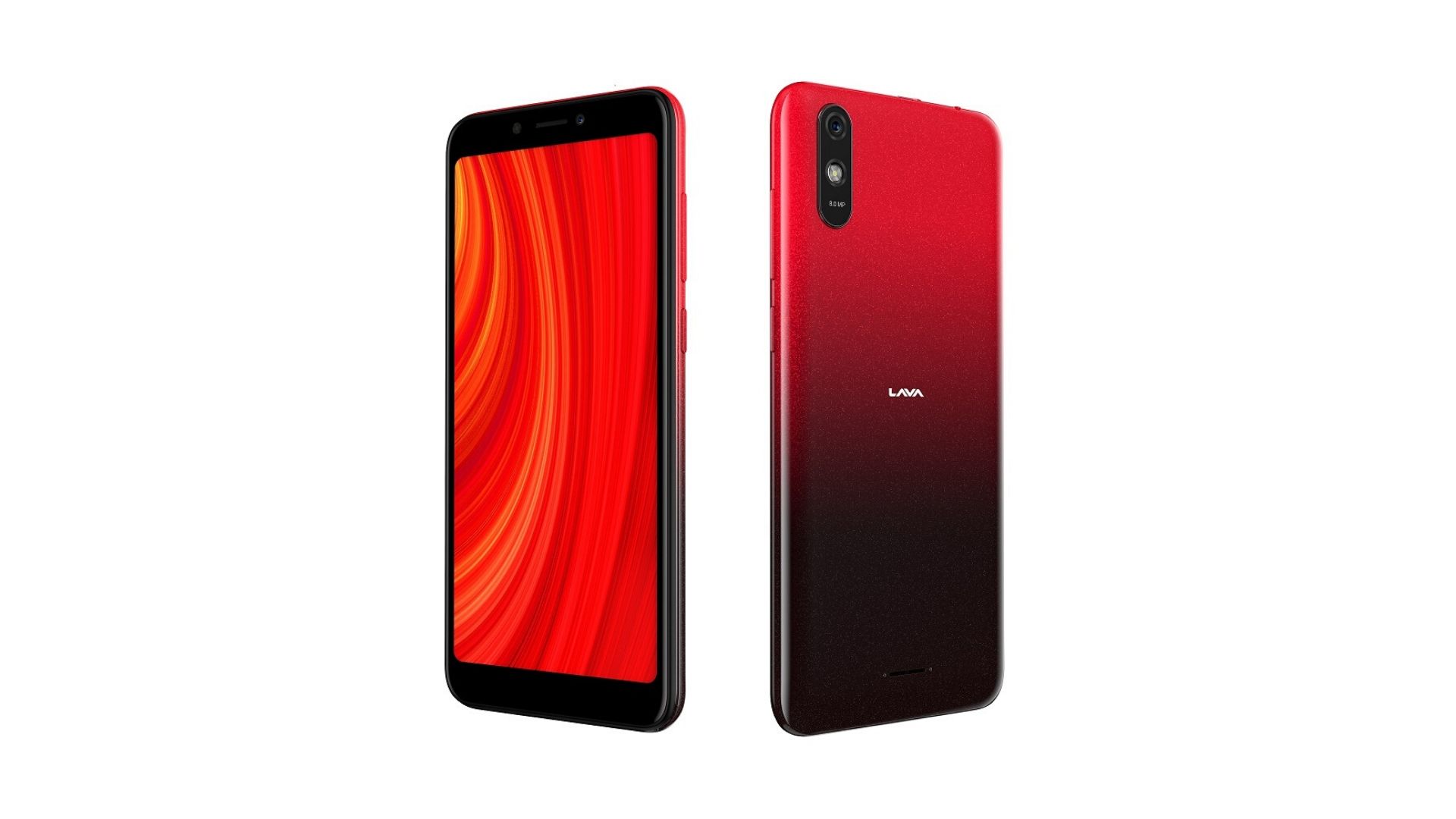
The report also confirms that these five smartphones from Lava will be completed designed in India. Back in July, the company had announced Lava announces ‘Design in India’ contest where it invited students and professionals from various streams to design its next smartphone. The contest also included a cash price of Rs 50,000, Rs 25,000, and Rs 15,000, respectively, and also a chance to work with the company.
As of now, we do not have any specs or even the names of the five Lava smartphones. However, we expect the company to start teasing the launch sometime in October. Lava also was looking to move its R&D centre outside of China back in May this year.
On similar lines, Micromax is also said to re-enter the Indian market very soon. Micromax is said to be working on three phones in total priced between Rs 7,000 and Rs 15,000. The three budget-friendly handsets are expected to come with MediaTek chipsets. The devices will be powered by MediaTek Helio G35 and Helio G25 SoC as per the previous reports.
With this move, Lava will take on the likes of Realme, Xiaomi, Poco, Infinix, and even Micromax in the coming months.
OnePlus 8T is set to launch on October 14 and ever since the company revealed the official launch date, we are flooded with continuous leaks around the upcoming smartphone.
While the company did announce that the OnePlus 8T will not be accompanied with the Pro variant this year and also announced that the phone will run on Android 11 out of the box, a new leak suggests that the phone may come with 12 GB of RAM.
The Geekbench listing shows that the phone is running on Android 11 which is in line with the announcement made by the brand. Additionally, the benchmark scores suggest that the phone will be powered by a Snapdragon 865 chipset and is labelled as OnePlus KB2000.
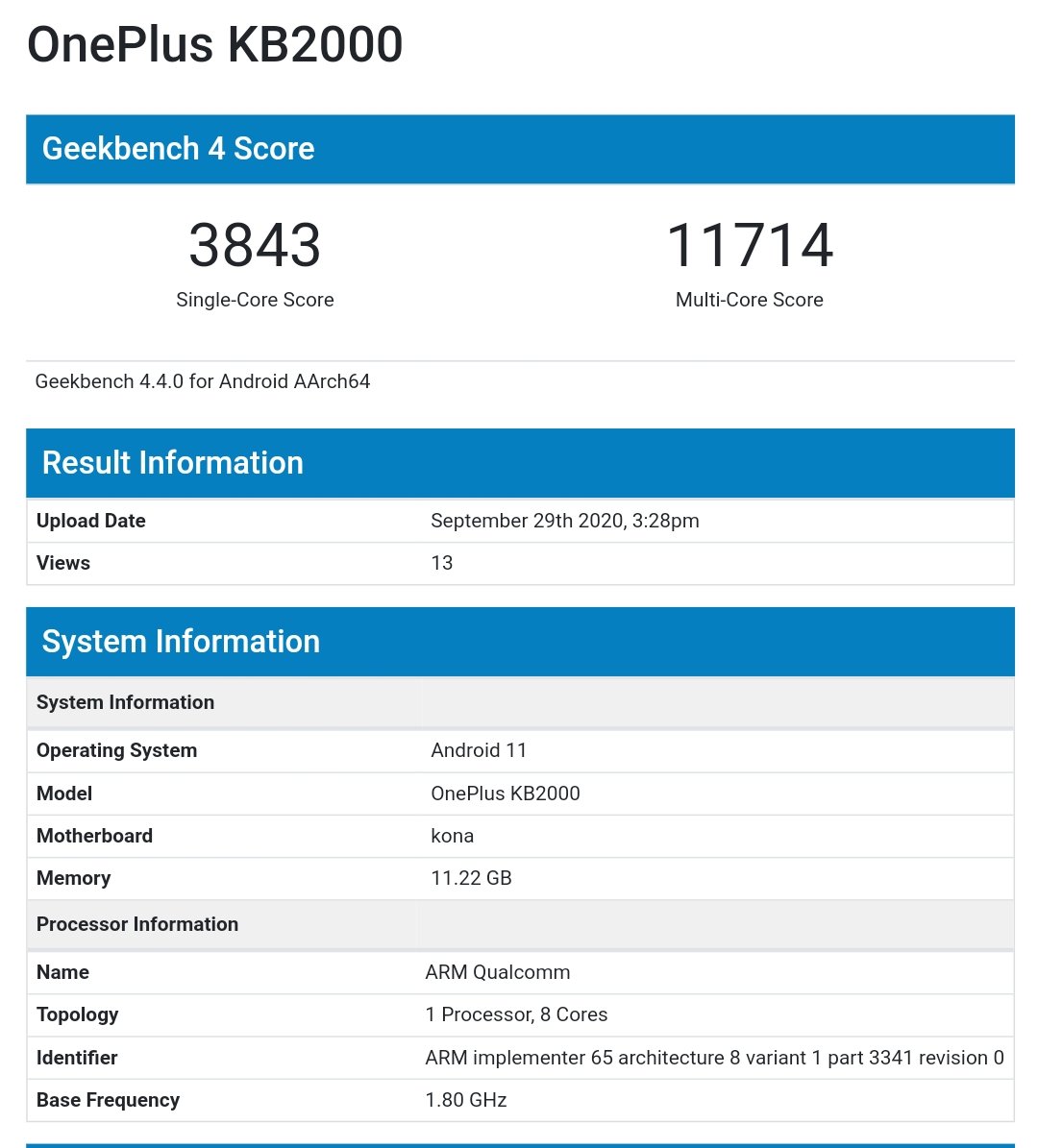
Interestingly, yet another Geekbench listing that was spotted sometime back pertaining to an upcoming OnePlus device had “OnePlus KB2001” as the model number and had 8GB of RAM. This suggests that the phone may be available in two different variants based on memory and storage.
OnePlus’ CEO had exclusively confirmed to TechRadar that the phone will come with a 6.5-inch display and will sport 120 Hz refresh rate. The display is expected to be a SAMOLED panel and may sport Full HD+ resolution.
In terms of processing power, the phone is expected to come with a Snapdragon 865 processor coupled with 8GB / 16GB of RAM and probably two different variants in terms of storage as well - 128 GB and 256 GB.
In terms of optics, it is said to come with a quad-camera setup with the primary 48-megapixel sensor along with a 16-megapixel ultrawide snapper, a 5-megapixel sensor for macro shots, and a 2-megapixel sensor for monochrome images. On the front, it may come with a 16-megapixel selfie snapper.
The phone is said to be powered by a 4500 mAh battery pack and, as confirmed by OnePlus, it will sport a 65W fast charging solution.
Via: GizmoChina
A new leak, buried deep within the iOS 14 code release, seems to strongly suggest that Apple is about to drop the EarPods from the box of the new iPhone.
Spotted in the new developer release of iOS 14.2 beta, this rumor is built on a tweak being reported by Macrumors in the source code, which has removed the word 'supplied'.
Previously the section talking about reducing one's exposure to radio frequency (RF) energy reportedly said the following:
"To reduce exposure to RF energy, use a hands-free option, such as the built-in speakerphone, the supplied headphones, or other similar accessories."
However, according to the claim, the new text reads:
"To reduce exposure to RF energy, use a hands-free option, such as the built-in speakerphone, the headphones, or other similar accessories."
This lines up with predictions from analyst Ming Chi-Kuo that the new iPhone 12 range won't come with a power adaptor or EarPods in the box, as Apple seeks to reduce the amount of accessories it supplies with its high-volume devices.
At the Apple Watch 6 launch event, Tim Cook made it plain that Apple is working to reduce the impact the company is having on the environment, and that included dropping the charging block from the box of the new Watch.
This makes sense, given that there are large numbers of these low-power USB connectors in drawers of tech buyers all over the world, and Apple will still be offering a USB Lightning cable in the iPhone 12 box (in fact, word is that it could be a more robust braided option, to stop so many of them failing over time and creating more waste).
The question of whether the loss of the EarPods is 'fair' is an interesting one though - while true wireless earbuds have been growing rapidly in popularity, straw polls of commuters by TechRadar have shown that the wired, in-box headphones are still often used.
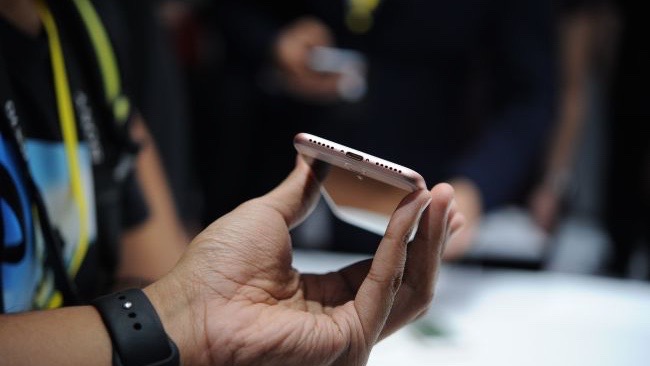
The iPhone 7 was the first device to come with the new Lightning-enabled EarPods, after the brand 'courageously' dropped the headphone jack from its phones - this meant all those 3.5mm-headphone connector headphones were rendered obsolete overnight.
If the iPhone does replace the Lightning connector with USB-C in the near future, as is often predicted, then all the currently-bundled EarPods would become useless, which would make for a good reason to reduce the amount of these unnecessarily in circulation.
Chi-Kuo has previously expressed a belief that Apple will be dropping the EarPods from the box of new iPhones to help drive sales of AirPods, although it's equally possible that Apple believes that there are enough of the Lightning-connected EarPods out there that putting more into the world would be creating huge amounts of duplication and thus waste.
When the iPhone 12 launches, currently expected to be October 13, it will be interesting to see if Apple even mentions losing the EarPods from the box if it does so.
And if it is raised on stage, whether there will be any stats on the amount of EarPods on the world too and the amount of waste it would reduce by stopping supply of these at purchase.
Either way, Apple removing accessories from the box (and presumably not dropping the price of the new iPhone) will lead to ire from some quarters, especially if there's no special discount to buy new headphones, charging blocks or upgrade to AirPods Pro for an enhanced experience.
American Express has announced a brace of new co-branded credit cards in partnership with Amazon Business to target small businesses in the UK.
The company is launching the Business American Express Card and the Amazon Business Prime American Express card, both of which allow businesses to either earn rewards points or adjust their payment terms on eligible purchases.
The Amazon Business American Express Card offers 1.5% Amazon Rewards points on the first £120,000 in purchases at Amazon.co.uk, Amazon Business UK and Whole Foods Market UK each calendar year, 1% thereafter or 60 Day extended payment terms on such purchases. All other purchases attract 0.05% points.
The Amazon Business Prime American Express Card is available to Amazon Business Prime members and has the £50 fee waived fro the first year. This one delivers 2% Amazon Rewards points on the same terms, but also offers the benefit of 90 day extended payment terms if businesses wish to make use of the breathing space that gives them. The cards come with representative APR of 32.6%.
American Express thinks the cards will offer greater flexibility for small businesses suffering cashflow problems from the economic slowdown caused by coronavirus.
According to research from American Express and YouGov, 23% of businesses are delaying bigger purchases due to insufficient funds. Meanwhile, 38% of those questioned report they’re only buying essentials to keep their businesses running.
“We have been serving small businesses for over 60 years, and are passionate about helping our small business customers effectively run and grow their businesses, especially during this challenging period," said Colin O’Flaherty, General Manager of UK Global Commercial Services at American Express.
"With many UK SMEs facing financial hardships, we want to make it easier for businesses to manage their finances and continue accessing the goods and products they need with more options to pay. We know that a vast number of the UK’s businesses rely on Amazon’s wide-ranging products and services and are excited to launch this powerful and flexible new payment tool that will allow small businesses to select how to pay, purchase by purchase.”
The launch of the two cards is similar to the Stateside collaboration between American Express and Amazon, which has produced a long-running and highly popular co-branded card programme.
“Working with American Express to launch the small business credit card was a natural decision for Amazon, given our shared long-standing commitment to helping small businesses flourish globally," noted Dave Brittain, Director of Amazon Business UK.
"We’re incredibly proud to launch this card programme as it offers small business owners and entrepreneurs the best of both companies: the convenience and value they have come to know and love from Amazon, underpinned by the world-class service, benefits, access and security of American Express. These benefits have never been more important at a time when businesses are navigating the challenges and uncertainty which Covid-19 has presented.”
Korean electronics major LG Electronics is set to release its much talked of rollable TV next month, according to media reports in South Korea.
LG, which recently made global headlines with the launch of LG Wing the smartphone with swivel screen, has opened a website dedicated to its 'Signature OLED RX' TV.
LG’s rollable TV, with a 65-inch screen that rises from a box and can be rolled up inside, was first unveiled at the Consumer Electronics Show (CES) in the United States last year. The advantage of an OLED display is that it can be bent or rolled freely because it does not have a backlight.
As per media reports, after holding an event for its customers in Seoul, LG is expected to launch the rollable TV in the market in late October.
Signature OLED RX TV has been reportedly priced at over 100 million won ($85,400).

Quite simply, the TV can, like a cloth or film screen, roll into its base.
LG's new TV has three viewing options - full view, line view (where only a part of the screen is showing), and zero view to keep the TV nicely hidden.
LG's OLED RX TV, like the rest of LG's 2019 OLED range, is based on the company's 2nd-gen Alpha 9 intelligent processor the enables LG's ThinQ AI to offer new display algorithms and Amazon's Alexa and Google's Assistant.
The TV also features HDMI 2.1, high frame rate (HFR) support, enhanced audio return channel (eARC), variable refresh rate (VRR) and automatic low latency mode (ALLM). LG's flagship OLED also feature Dolby Atmos for immersive entertainment.
LG OLED TV uses, what it calls, self-lit technology. "Over 100 million self-lit sub-pixels come together to deliver the next level of TV," the company says. It gives the deepest blacks, richest colors, and most realistic picture quality.
Talking of self-lit technology, LG's South Korean rival, Samsung Electronics, is planning to launch a micro LED TV that also uses self-illuminated technology.
"It uses micrometer-sized ultra-small LEDs to remove backlight and color filters. LEDs themselves become a light source for the screen. Compared to current displays, the micro LED TV excels in terms of brightness, contrast ratio, color reproducibility, and black color expression. It also has an improved viewing angle," a report in BusinessKorea said.
Samsung had unveiled 75-inch, 88-inch, 93-inch and 110-inch micro LED TV models at the CES that happened this year.
This micro TV may hit the markets in December.
The companies that invested in Reliance Industries’ digital subsidiary Jio Platforms in a big way are reposing faith in its retail arm, Reliance Retail, too. First it was Silver Lake. Then it was KKR.
And now General Atlantic, which had invested Rs 6,598.38 crore in Jio Platforms, is shelling out Rs 3675 crore (around $498.2 million) at a pre-money equity value of Rs 4.285 lakh crore for a 0.84% equity stake in Reliance Retail.
Reliance Retail operates India's largest and fastest growing retail business serving close to 640 million footfalls across its 12,000 stores nationwide.
General Atlantic is a leading global growth equity firm with a 40-year track record of investing in the Technology, Consumer, Financial Services and Healthcare sectors. General Atlantic has investments in high-profile companies like Airbnb, Alibaba, Ant Financial, Box, ByteDance, Facebook, Slack, Snapchat, Uber and other global technology leaders.
Mukesh Ambani, Chairman and Managing Director of Reliance Industries, in a media statement said, “Like Reliance Retail, General Atlantic believes in the fundamental ability of digital enablement to drive progress, growth, and inclusion across India and the world. We look forward to leveraging General Atlantic’s extensive expertise at the intersection of technology and consumer businesses, and two decades of experience investing in India, as we create a disruptive New Commerce platform to redefine retail in the country.”
Bill Ford, Chief Executive Officer of General Atlantic, said, “General Atlantic is thrilled to be backing Mukesh’s New Commerce mission to drive substantial positive change in the country’s retail sector, which goes hand-in-hand with his vision to enable a Digital India through the work of Jio Platforms. General Atlantic shares Reliance Industries’ foundational belief in the power of technology to foster transformative growth, and we are excited by the immense potential of the full Reliance ecosystem.”
Isha Ambani, Director of Reliance Retail, said, “General Atlantic has tremendous knowledge in the retail space developed by working with leading consumer and retail companies globally over the years and we hope to benefit from that as we progress on our journey.”
Sandeep Naik, Managing Director and Head of India & Southeast Asia at General Atlantic, said “Reliance Retail’s strategy is unique – highly disruptive, and yet fully inclusive”.
Reliance Retail, like its sister entity Jio Platforms, is attracting investments in a big way. After Silver Lake, KKR and General Atlantic, it is said to be in talks with Abu Dhabi state fund Mubadala Investment Co. The latter who is also a stakeholder in Jio Platforms, is said to be in advanced talks to invest up to $1 billion in Reliance Retail.
Reports have it that Japan's SoftBank Group is also keen on investing in Reliance Retail.
It may be recalled that addressing shareholders at Reliance Industries 43rd annual general meeting recently, Mukesh Ambani had said "Reliance Retail has received strong interest from strategic and financial investors."
Ambani explained his plans to add newer categories like electronics, fashion, pharmaceutical and healthcare into its omni-channel venture, JioMart.
Jio Mart is positioned to take on Walmart-backed Flipkart and the other behemoth in the business Amazon.
The Ambani-Amazon face off is being billed as a major battle in the Indian e-commerce sphere.
Jio Mart, apart from using the inventory of kirana stores in each neighbourhood, hopes to ride piggyback on the massive infrastructure Reliance Retail is building.
Reliance Retail is pushing merchants to use technology tools and create an efficient supply chain infrastructure to help deliver a superior value proposition to the customers.
Reliance Retail recently picked a stake in Kishore Biyani-led Future Group.
Broadband bigwig Telstra has announced that it's starting to roll out a new 5G home broadband service to compete with NBN, but it's also making some changes to its core NBN plans as well.
Previously, the telco has offered a fairly simple array of NBN plan speeds – Standard (NBN25), Standard Plus (NBN50), and Premium (NBN100), staying away from newer, faster tiers that have recently been unlocked by NBN Co. That's just changed however, with Australia’s biggest telco now offering two new plans that boost speeds significantly beyond what was previously available.
Unlike other telcos, Telstra isn't offering these as standalone products – rather, they're add-ons to its Premium (NBN100) product. Subscribe to the latter and, if you've got the right connection type, you'll now be able to optionally add Superfast or Ultrafast speeds (aka NBN250 and NBN1000 respectively) for a flat monthly fee.
The Superfast add-on is already available both online and in-store and promises typical evening speeds (7-11pm) of 215Mbps for AU$30 extra per month. Ultrafast connections, meanwhile, offer a typical evening speed of 250Mbps for an extra AU$70 monthly fee – but this option is currently only available in-store.
It’s worth noting that Telstra says its 'typical evening speed' claim for Ultrafast still requires more user data to get an accurate average speed reading, so the 250Mbps rate is likely on the conservative side.
Telstra Superfast (NBN250) plan | AU$130 per month (first 12 months, then AU$140 per month)
With typical evening speeds of 215Mbps, the Superfast plan from Telstra offers blazing fast speeds for those with the connection that can handle it (see below). You'll get unlimited data, AU$10 monthly credit for the first year, 3 months free subscription to Binge Standard movie and TV streaming, a waived AU$99 connection fee, and there's also a Telstra Smart Modem included for new customers that stay connected for 24 months. Score! Total minimum cost over 24 months is AU$3,240
View Deal
As mentioned earlier, not everyone will be able to sign up for these new plans: they're provided as add-ons to the Premium (NBN100) plan. That means if you're an existing Telstra customer on a NBN25 or NBN50 plan, you can’t purchase these add-ons unless you first upgrade to the NBN100 option.
More broadly, whether you can access NBN250 or NBN1000 requires you to have a specific NBN connection type that can handle those higher speeds – meaning you’ll need at least a HFC connection. Telstra states that “Most HFC and FTTP connections are capable of Superfast speeds, while only FTTP and some HFC customers can achieve Ultrafast speeds”.
The good news is that Telstra won’t let you sign up to these plans if your connection won't be able to handle them, so you won’t end up paying extra for high speeds that you can’t possibly reach.
Alongside the new add-ons, Telstra has also revealed that it has resumed selling NBN100 plans "for FTTC customers and selected existing Telstra NBN customers on FTTN and FTTB".
These plan sales were paused earlier in the year, but Telstra assures us that it's upgraded its systems and "done a lot of work behind the scenes" to make sure its customers are getting the speeds promised them.
Further to this, Telstra states that, "if a customer on FTTN, FTTB, or FTTC can’t reach the maximum speeds of the Premium Internet plan or Premium Add-on, we’ll let them know and provide them with options in accordance with our regulatory commitments".
You can already watch the first Presidential Debate 2020 video highlights as well as the full video replay of the debate now that the live stream is over.
It was indeed fiery between incumbent President Trump and former Vice President Joe Biden. Below are both the Presidential Debate full video replay and highlights to give you a sense of the chaotic question answering (and interrupting) that went on.
The full debate touched on a lot of topics, including Covid-19, healthcare reform, and Trump's new Supreme Court nominee, Amy Coney Barrett. This debate is the first Presidential Debate of three, so there'll be two debates before November 3.
We've embedded the unedited YouTube video of the full 2020 Presidential Debate via C-SPAN, the independent US public affairs cable channel. The video starts at 27:45, as the live stream started well in advance of Chris Wallace introducing the Trump and Biden.
Every major station that carried the debate had the same camera angles via a pool camera system, so you won't see anything different (except maybe lower-third graphics) between networks.
President Trump and former Vice President Biden trade barbs over the topic of the Covid-19 pandemic in the first Presidential Debate. This video highlight is a heated five-minute discussion.
In this eight-minute debate highlight, we see Trump and Biden go back and forth about the the process of 'repeal and replace Obamacare.' It got to the point that Biden blurted out "Will you shut up man" as the candidates were talking over each other. That's sure to appear in a lot of highlight videos being cut right now.

Miss the debate while it happened live because you don't have cable? You can subscribe to one of these services if you're a fellow cord-cutter in the US.
If you’re currently traveling abroad for work or out of the country, watching the first presidential debate will be difficult as many of your viewing options may be geo-blocked.
Thankfully there’s an easy fix that will let you watch the first Presidential Debate online from anywhere. By downloading a VPN, you can watch no matter where you’re currently located. This simple piece of software changes your IP address to one in a different country where the debate is being broadcast, so you can stream it as if you were back home.

Get a 100% risk-free ExpressVPN trial for 30-days
We've thoroughly tested all of the most popular VPNs and rate ExpressVPN as the best of what's out there. It's simple to install, boasts strong security features, and is compatible with just about any streaming device out there, including the Amazon Fire TV Stick, Apple TV, Xbox and PlayStation. You can also use it with Android and iOS mobile devices, so to get that home broadcast and stay safer online, this is our pick of the litter.
Best of all, ExpressVPN comes with a 30-day money back guarantee so you can try it out for a month for free, or sign up for an annual plan and get 3 months absolutely FREE. It really is the top option around, so check it out today.
View Deal
The first debate between President Donald Trump and Democratic presidential nominee Joe Biden covered six topics:

President Trump and former VP Biden were asked questions based on a variety of topics including their records, the US Supreme Court, the integrity of the election, Covid-19, race and violence in US cities and the economy.
The first Presidential debate moderator was Chris Wallace, who is the anchor of Fox News Sunday and son of the legendary journalist, the late Mike Wallace.
Chris Wallace wanted to be invisible in tonight's debate, letting the Trump and Biden hash out the topics on stage, but several times, he had to reign in the candidates to abide upon the agreed upon two minutes. Political editor of C-Span Steve Scully will moderate the second debate, while NBC News White House correspondent Kristen Welker will moderate the third debate.
If you’ve watched US presidential debates in past years, there were almost always two or three moderators present to ask a variety of questions (typically based on their speciality as an anchor or reporter). This Presidential Debate series, like a lot of 2020, is different: there will be just one moderator at each Presidential Debate to reduce the number of people in the room.
The Lenovo ThinkBook 15 Gen 2 i (note the i) looks relatively unimpressive from the outside but this new laptop has pioneered a new way of consuming multimedia-content on the move.
In what is one of the most unique features we've seen for a while, the device offers branded integrated wireless earbuds that can be stored inside the laptop, delivering what Lenovo calls a completely new audio experience.
These ThinkBook earbuds will charge automatically when stored in a dedicated drawer (where they are charged) and connect to the laptop audio system instantly (via Bluetooth) when taken out. Muting and unmuting yourself during calls requires merely a double tap on the earbuds.
These aural peripheral devices are also equipped with dual microphones and environmental noise cancellation to, “make online meetings more effective than ever before”, Lenovo says.
If that wasn’t clear enough, this business laptop targets WFHomers, small and medium businesses as well as ROBO (remote office/branch office) environments.
There’s even a dedicated button to reach Lenovo support faster; pressing it will automatically send device details such as the serial number of the laptop. Sadly, there’s no Zero Touch login, a security feature that locks and unlocks your device depending on your face and physical presence.
Confusingly, there’s the ThinkBook 15 Gen 2 i, the ThinkBook 15 Gen 2 AMD, the ThinkBook 15p i; only the first one, which features an Intel 11th generation processor, will come with the earbuds. Expect it to go on sale from October 2020 starting at $569. Note that the ThinkPad E15 Gen 2 i will also get these groovy earbuds.
