If you have an Android phone and a Windows laptop, then Microsoft’s Your Phone application is easily among the handiest apps. It not only lets you access your phone's media content, notifications, messages, contact lists but also lets you receive and make calls right from your Windows 10 powered PC wirelessly.
The most exciting part is that you can also run Android applications right on your PC, unfortunately, this feature is limited to a handful of Android phones from Samsung and the new Surface Duo.
However, other smartphone brands do not want to be left behind and even though LG has a very minuscule user base when it comes to mobile as well as laptops, it has decided to come up with its own version of a mobile bridge application called Virtoo and it has already been made available on the Microsoft Store.
Incidentally, LG Virtoo is nothing but a rebranded Dell Mobile Connect application which suggests that all the features set on both the apps would be pretty similar. Dell Mobile Connect is available on Dell’s laptops despite the fact that Microsoft’s version is also available free to all Windows users. Nevertheless, the good thing is that the Dell Mobile Connect App is not exclusive to Dell computers any more.
Coming back to Virtoo by LG, if you happen to check the Microsoft Store, you’ll see that it’s been made by the same company that has made the Dell Mobile Connect. And while we were able to download Virtoo app, it failed to open on a couple of laptops we tried. A couple of other users also experienced the same error as we did and the app said “Virtoo by LG cannot be launched. This system is not supported,” and looks like we will have to wait for a few more days before a fully functional app is made available to download.
Though the Microsoft Store listing of the app does mention a specific date of launch, however, it does mention a few limitations and says, “Virtoo by LG is a smartphone app for LG PC users. It allows a Bluetooth connection between a smartphone and a PC to enable users to use various smartphone functions on the PC. Use Virtoo by LG to enjoy a more comfortable computing environment.”
It also warns users that, “Some models may not support Virtoo by LG. Some functions may not work depending on the smartphone model.” However, there is no list of supported smartphone models as of now. In terms of the mobile apps, it supports Android devices running Android 10 or above and for iOS, it needs phones to run iOS 11 or later.
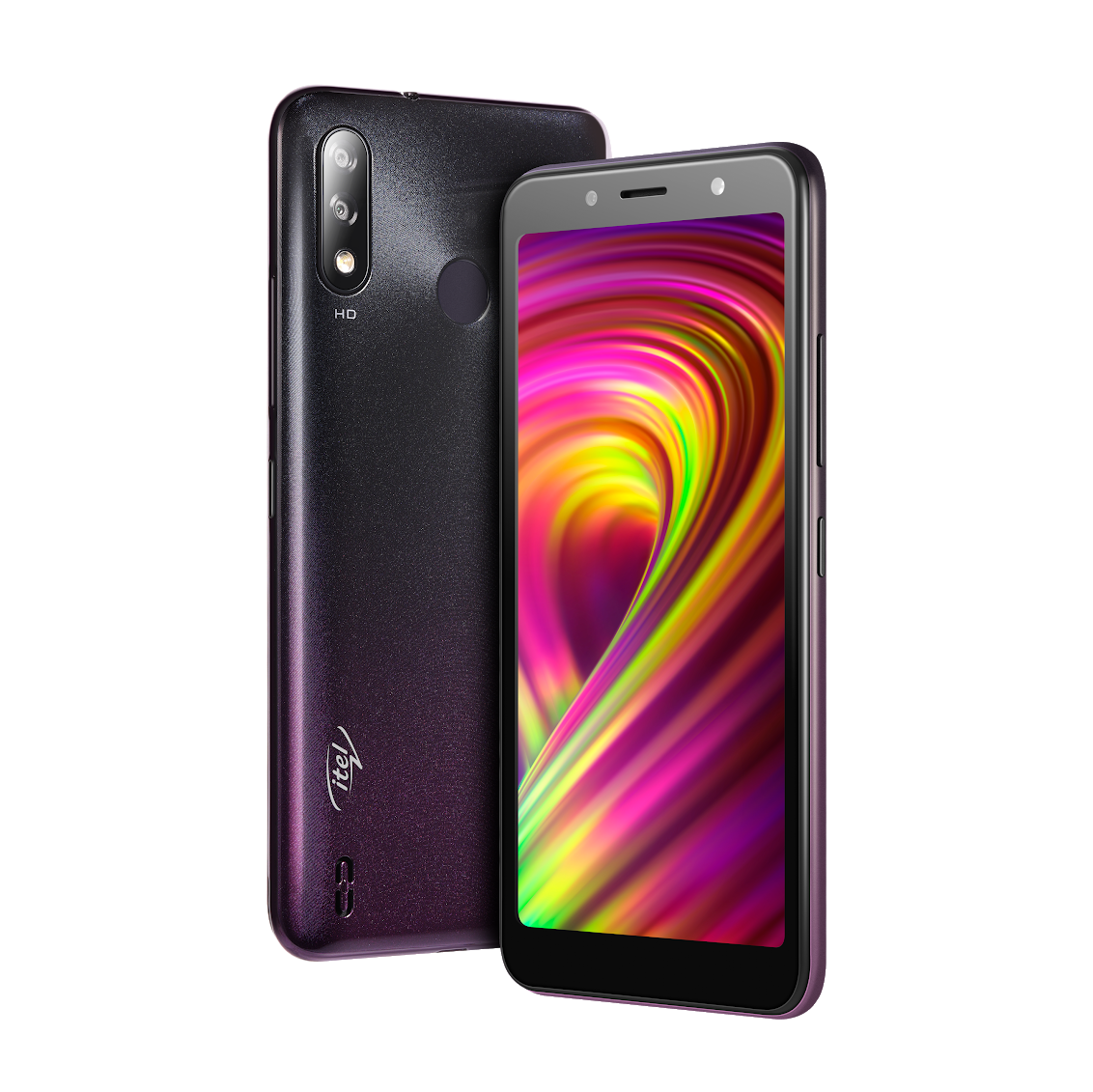
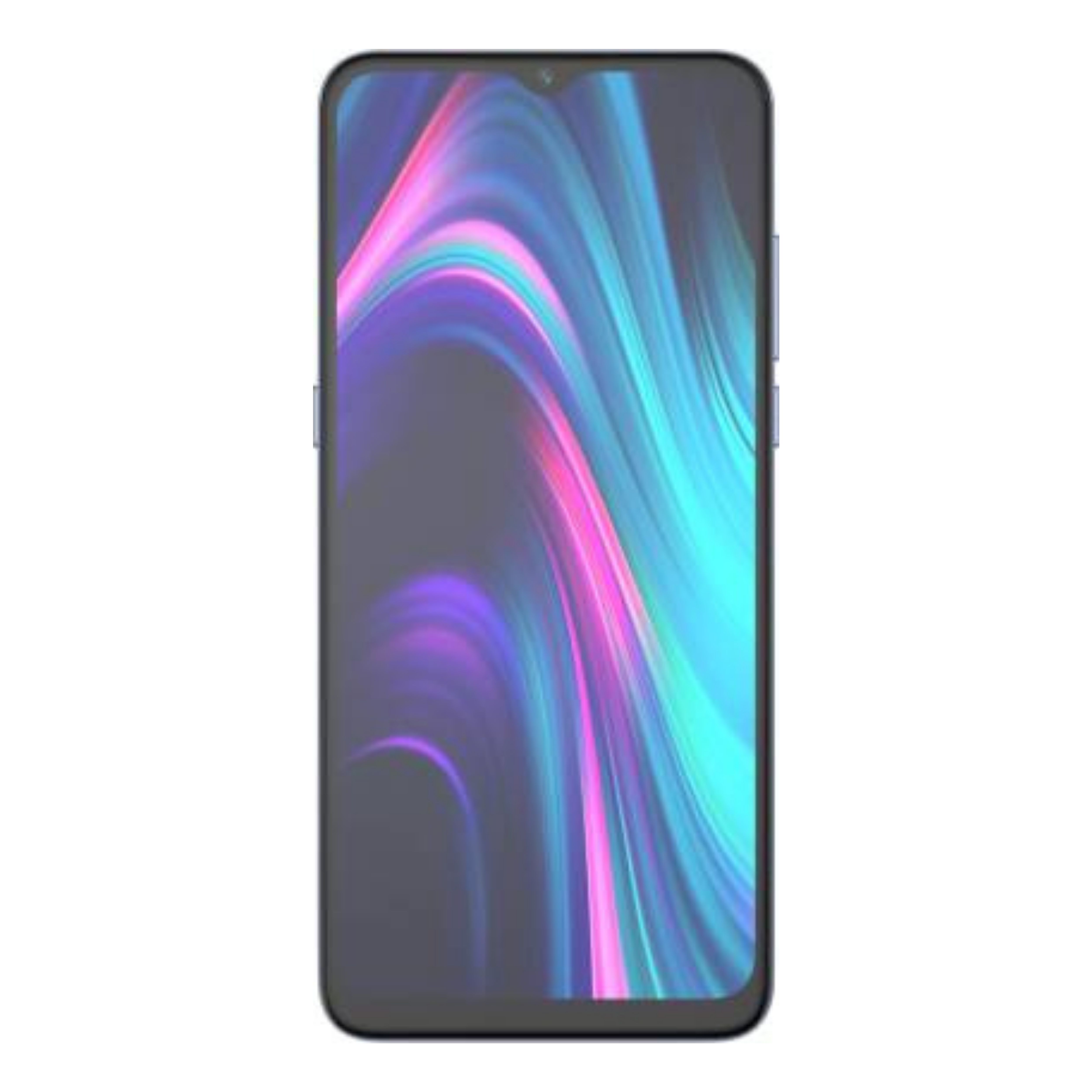
Itel has expanded its budget smartphone segment by adding another offering in its A-series, the Itel A47. The company launched the new smartphone in an exclusive tie-up with Amazon which is the only place the smartphone will be available.
The Itel A47 comes after Itel introduced the A48 and it features an HD+ FullScreen display, curved edges, dual security features and a bigger battery. A47 is priced at Rs 5,499, which the brand justifies by saying its purpose is ‘democratizing technology for masses’ along with ‘Digital India’.
The latest addition Itel A47 is set to go on sale across India starting February 5 at 12 noon onwards.
The Itel A47 comes with a 5.5-inch (13.97cm) HD+ FullScreen display and 2.5D Glass. In terms of cameras it comes equipped with dual 5-megapixel AI camera and 5-megapixel selfie camera with Soft Flash.
It comes equipped with multiple camera effects like smart recognition, portrait mode, beauty mode, etc. The display of the Itel A47 has a 18:9 aspect ratio, IPS panel, curved edges and 1440x720 resolution.
The Itel A47 runs on a 3020mAh battery and Android 9 Pie (Go Edition), it is powered with 1.4GHz quad-core processor as well. The smartphone also comes equipped with dual security features like multi-functional fingerprint sensor and face unlock which apparently allows consumer to unlock device in 0.2sec timeframe. It has 2GB RAM and 32GB internal storage along with a dedicated expandable memory up to 32GB.
It features a shiny gradient dual-tone back colour finish and is available in two colour options— Cosmic Purple and Ice Lake Blue.
Taiwanese semiconductor company MediaTek has a few 5G chipsets but none that supports the mmWave spectrum. But today MediaTek has announced its new M80 5G modem which combines mmWave and sub-6 GHz 5G technologies onto a single chip.
The new chip can be used on smartphones, personal computers, and portable wifi hotspot devices.
The millimeter-wave (mmWave) technology has gained traction in the U.S.
“As 5G rollouts accelerate, mmWave is becoming increasingly important, especially in the US. MediaTek’s new 5G modem integrates support for both sub-6 GHz and mmWave networks to address this opportunity and give device makers more flexibility,” said JC Hsu, Corporate Vice President and General Manager of MediaTek's Wireless Communications Business Unit.
“To advance users’ 5G experiences, the new modem supports the latest global cellular standards and specifications and it packs MediaTek’s signature power savings technologies along with ultra-fast speeds,” he added.
The Helio M80 is the successor to the Helio M70 modem found inside the Dimensity 1000 series.
The M80 supports ultra-fast speeds on both non-standalone (NSA) and standalone (SA) architectures, with a peak rate of 7.67 Gbps in the downlink and 3.76 Gbps in the uplink. The M80 also supports dual 5G SIM, dual 5G NSA and SA networks, and dual Voice over New Radio (VoNR) for more reliable connectivity.
MediaTek’s 5G modems are tailored for a range of devices, including smartphones, PCs, Mi-Fi hotspots, broadband customer premise equipment (CPE), industrial IoT applications and more.
MediaTek’s first generation 5G modem, the M70, is built into MediaTek’s Dimensity series of power-efficient chipsets for 5G smartphones.
Helio M80 to hit the market in the second half of 2021
The company’s 5G portfolio also includes the MediaTek T700, which will power 5G PCs set to hit the market in 2021, along with MediaTek’s T750 chipset for 5G fixed wireless access routers (FWA) and mobile hotspot devices.
The M80 has been tested against industry standards and is expected to sample with customers later in 2021.
The M80 integrates MediaTek’s 5G UltraSave technologies which improve on the single-chip design to provide another layer of extensive power-saving enhancements.
The M80 also integrates MediaTek’s Dynamic Bandwidth Part (BWP) technology which is designed to optimize bandwidth use to accommodate light or heavy data throughput requests. Additionally, with the M80’s Connected Mode DRX (C-DRX) technology the modem will regularly remain powered in connected standby even when there is no data activity, the company said.
Want to know about the latest happenings in tech? Follow TechRadar India on Twitter, Facebookand Instagram!
from TechRadar - All the latest technology news https://ift.tt/3oH04nw
via IFTTT https://ift.tt/eA8V8J
Google has agreed to spend $3.8 million — a negligible amount for a company worth over $1 trillion — to settle systemic compensation and hiring discrimination allegations by the US Department of Labor. The agency’s Office of Federal Contract Complian...
from Engadget https://ift.tt/3rfXwPg
via IFTTT https://ift.tt/3akbWXC
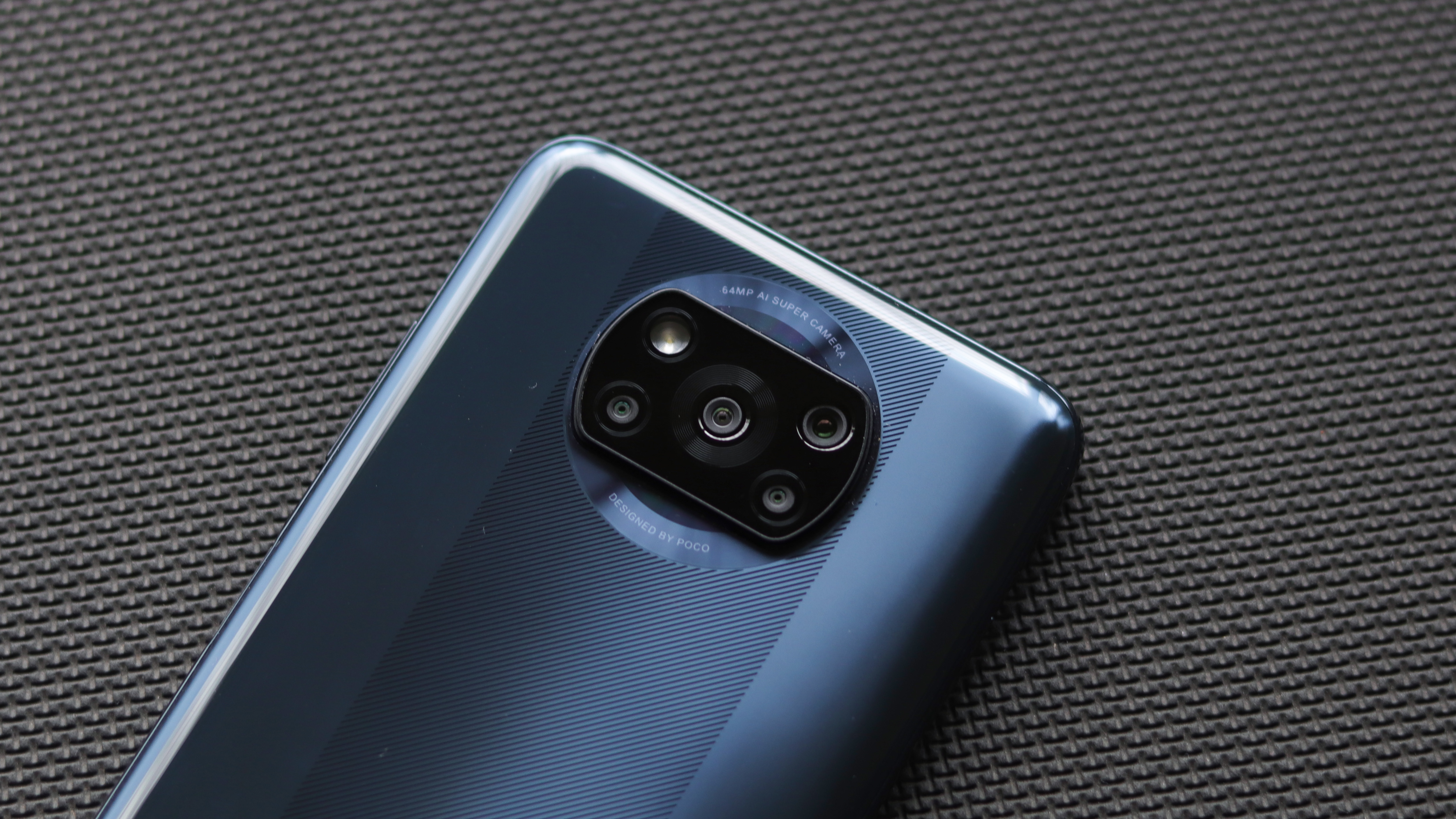
Poco X3 Pro smartphone has been spotted on several regulatory websites. The device was recently spotted on FCC, EEC certification sites. The IMEI has been registered in India as well which means the device launch is not too far away in India. The Poco X3 will likely be a mid-range phone with flagship processor.
According to a report from XDA-Developers, the upcoming Poco devices will be called the Poco X3 Pro and it was spotted on US FCC site with model number “M2102J20SG”. A device with the same model number was also spotted on the IMEI database.
Further, the report also claims the Poco X3 Pro device is currently code-named “vayu” and “bhima”. These are two different variants of the same phone. The Poco X3 Pro is also expected to be powered by Qualcomm’s SM8150 platform which refers to Snapdragon 855 processor. Further, the phone might be equipped with a quad-camera setup which consists of a 48MP wide camera, an ultra-wide lens, a macro and a depth sensor.
As per the other certifications, the Poco X3 will have support for dual-band Wi-Fi, NFC, and 4G LTE. There is no mention of 5G support for now. The Snapdragon 855 is an octa-core chipset with a clock speed of 2.84GHz and built on 7nm fabrication process. OnePlus 7, Samsung Galaxy S10 Lite, Redmi K20 Pro, LG G8X, and more devices are powered by the same chipset.
While the chipset on the Poco X3 Pro seems outdated, it is also worth mentioning that recently Anju Sharma of Poco India said that to create a product like the Poco F1 today is "next to impossible". Since the smartphone prices over the last few quarters have also gone along with the cost of 5G components, Poco might pull it off with a 4G only Snapdragon 855 processor which will same them money and also give consumers flagship-grade experience without breaking the bank.
The Poco X3 was launched in India back in September. Today, the company will launch its budget smartphone, the Poco M3.
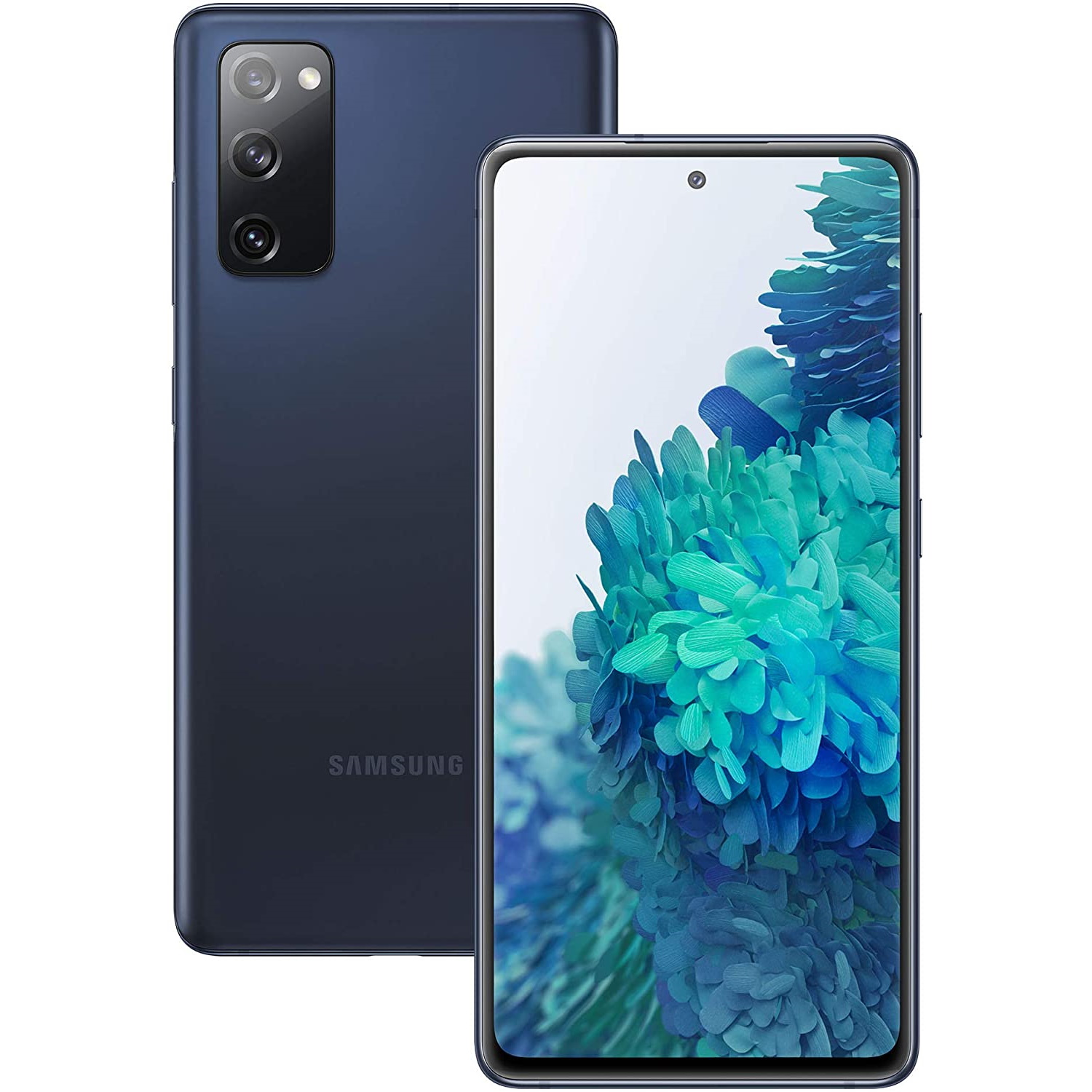
Samsung Galaxy S20 FE 5G variant could launch soon in India. The 4G variant of the Samsung Galaxy S20 Fan Edition was launched in India back in October 2020. The support page for the upcoming Galaxy S20 FE 5G is already live on Samsung’s India website.
On the site, the 5G variant of the Samsung Galaxy S20 FE has been listed with “SM-G781B/DS” model number where DS represents Dual SIM. The model number is slightly different from the S20 FE 4G variant(SM-G780FZBN). While the support page doesn’t reveal anything about the device, it hints that the launch of the phone not too far in India.
The device was also spotted on the BIS certification site with the same “SM-G781B” model number. Just like the Samsung site, the BIS database doesn’t offer any information about the phone.
The 5G variant is already available other markets such as the US, UK, and more. The only major between the 4G and 5G variants is the processor. While the Indian variant is powered by Exynos 990 SoC, the 5G variant is powered by Snapdragon 865 chipset. Currently, the Galaxy S20 FE in India is priced at Rs 49,999.
Samsung Galaxy S20 FE specs
Samsung S20 FE offers a 6.5-inch Super AMOLED panel with a 120Hz refresh rate. The Infinity-O display’s resolution is 2,400 x 1,080. The display also houses an optical fingerprint scanner and it is also IP68 water-resistance makes the cut too.
Currently, the Indian variant of the S20 FE is powered by the Exynos 990 chipset. The 5G variant is expected to pack in Snapdragon 865 as the same also powers the US variant of the S20 FE. The S20 FE comes in two variants both with 8GB of RAM and with up to 256GB of internal storage. The storage can be expanded by up to 1TB via a micro SD card.
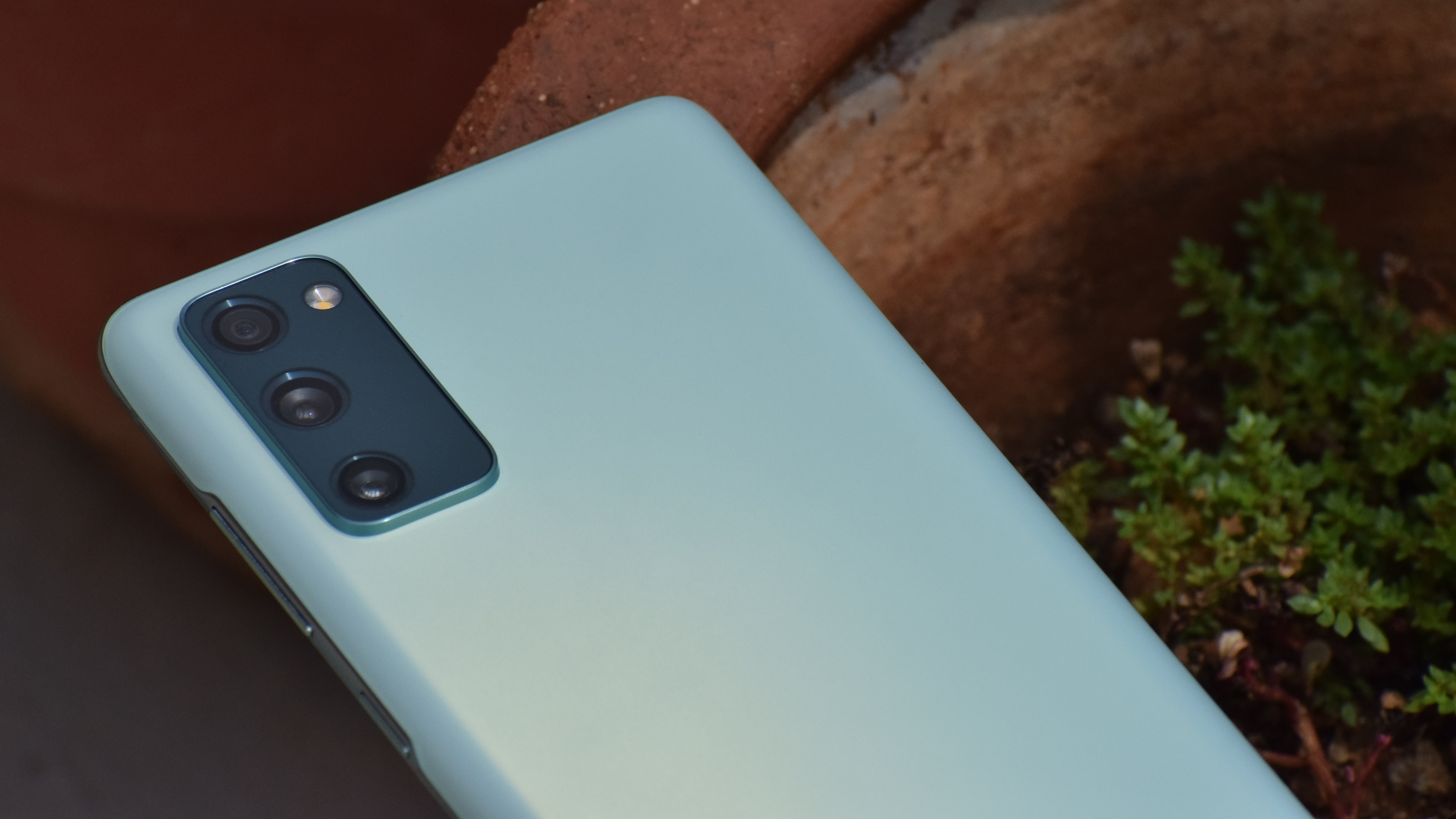
It follows the matte finish design that was popularized by the Note 20 series and is available in a bevvy of fresh colours. The colour options include Cloud Navy, Cloud Lavender, Cloud Mint, Cloud Red and Cloud White. The back is made of polycarbonate “glasstic”, with the cameras residing in a large housing towards the corner. There’s a 12MP f/1.8 primary camera with OIS followed by a 12MP ultra-wide shooter with a 123-degree field-of-view and an 8MP telephoto lens with OIS. Selfies are handled by a 32MP shooter.
The battery on the S20 FE is rated at 4,500mAh and supports 25W fast charging. There is also fast wireless charging and USB PD standard support. It runs on Samsung's OneUI skin based on Android 10 out of the box but, Samsung has already rolled out Android 11 for the S20 FE in India.
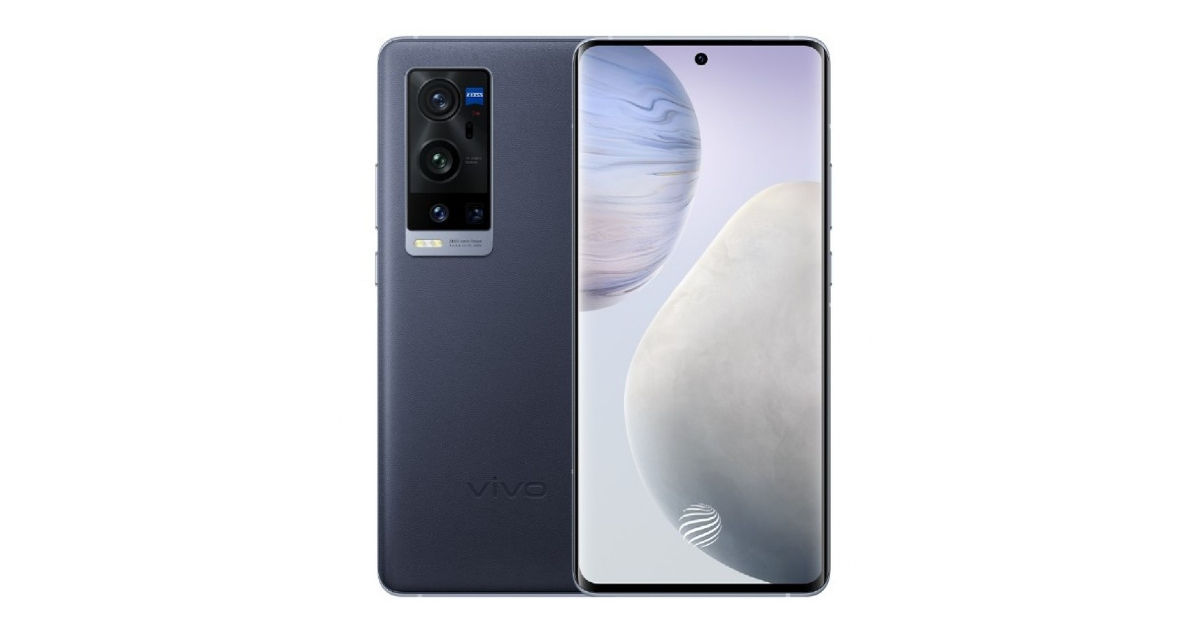
Vivo recently launched the Vivo X60 Pro Plus in China, thus completing the X60 series, comprising the vanilla Vivo X60, X60 Pro and Vivo X60 Pro Plus. This new series of smartphones is set to be introduced in India. And they could arrive as soon as within the next 45 to 60 days.
According to the initial reports, the company is reportedly bringing its fully loaded Vivo X60 Pro Plus in the country while it's not clear if the base variant and the X60 and X60 Pro will also accompany their on-steroids sibling.
To recall, with the Vivo X50 series, the company focused on camera-centric features and had marketed the device as one in spite of not supporting processors of flagship grade. However, they did have features ad design that could put any top of the line product to shame. However, the X60 series comes with the latest flagship SoC from Qualcomm.
According to a report by 91mobiles, the Vivo X60 Pro Plus, which presents quite a challenge in pronouncing its name, is heading out of China within months of its introduction in January. The company may launch the phone around the last week of March or in the first couple of weeks of April.
Vivo X60 series price in India
There is no clarity around the Indian pricing of the upcoming flagship series from Vivo yet, however, the vanilla X60 comes in three different variants based on memory and storage combinations back in China. The 8GB RAM+128GB is priced at CNY 3498, the 8GB RAM+256GB is priced at CNY3798 and the 12GB RAM+256GB retails at CNY 3998.
The Vivo X60 Pro only comes in 12GB+256GB and is priced at CNY 4498 back home while the X60 Pro Plus has a couple of variants and the 8GB+128GB is priced at CNY 56400 and the fully-loaded 12GB+256GB variant is pegged at CNY 5998.
Looking at the Chinese pricing, it is clear that the pricing of the X60 series in India may start around Rs. 37,000 for the base variant and the top-end version of X60 Pro Plus could easily be priced around Rs. 68,000 or more.
(Image credit: internet)
Vivo X60 Pro Plus specifications
As mentioned above, the X60 Pro Plus comes with flagship Qualcomm Snapdragon 888 SoC in tow, coupled with up to 12GB of RAM and 256GB of internal storage. The phone has a 6.56-inch FHD+ (2376×1080) AMOLED display with up to 120Hz refresh rate. The display on this phone comes in a 19.8:9 aspect ratio with supports for HDR10 and HDR10+ content.
In terms of optics, the phone packs a quad-camera setup at the back with 50MP main sensor, a 48MP wide-angle lens, a 32MP portrait sensor, and an 8MP periscope lens with support for 60x Super Zoom. It also has a 32MP camera at the front housed in a hole punch cutout to take care of selfies and video calls.
This is Vivo’s first lineup after the company shifted to the new Origin OS and the Vivo X60 Pro Plus runs on an Android 11-based Origin OS skin. It comes with an in-display fingerprint sensor, a 4,200mAh battery that supports 55W flash charging via a USB Type C port
Ever since Capcom revealed the release date for its latest Resident Evil game, many of the questions have focused on four characters featured in the trailer and an early PS5-only “Maiden” demo. Resident Evil: Village arrives May 7th, but if you just...
from Engadget https://ift.tt/2YxLzIc
via IFTTT https://ift.tt/3tiHea8
Following on from their collaboration on Black Panther, which earned over $1.3 billion at the global box office in 2018, The Walt Disney Company has announced an exclusive deal with writer-director-producer Ryan Coogler's multi-media company to produce television content for Disney Plus.
The five-year deal will see Proximity Media, which was co-founded by Zinzi Coogler, Sev Ohanian, Ludwig Göransson, Archie Davis and Peter Nicks, develop a new television series set in the Kingdom of Wakanda, home of the Black Panther.
"With Black Panther, Ryan brought a groundbreaking story and iconic characters to life in a real, meaningful and memorable way, creating a watershed cultural moment," said Disney's executive chairman Bob Iger in the announcement. "We’re thrilled to strengthen our relationship and look forward to telling more great stories with Ryan and his team."
Speaking on behalf of Proximity Media, Coogler said "we couldn’t be happier to be launching our television business with Bob Iger, Dana Walden and all the amazing studios under the Disney umbrella," also teasing that the company is "already in the mix on some projects that we can't wait to share."
Marvel Studios president Kevin Feige recently revealed that Black Panther 2 would be moving forward despite the death of lead actor Chadwick Boseman, leading us to assume that the upcoming Disney Plus series will either follow side characters like Shuri (Letitia Wright) and Okoye (Danai Gurira), or see a new Black Panther crowned.
Not yet a Disney Plus subscriber? You can sign up for either a monthly or yearly subscription via the options below.
The Washington state government has suffered a large data breach involving unemployment claims, potentially exposing data on more than 1.6 million people, officials admitted Monday.
Since 2015, Nike has released accessible performance shoes under its FlyEase line, and the new FlyEase Go takes things even further. This one doesn’t just replace laces with a zipper and strap, and unlike the shoe designed for Seattle LB Shaquem Grif...
from Engadget https://ift.tt/3tfA9H7
via IFTTT https://ift.tt/3j94NgD
The way in which you and your organization use Microsoft's Windows 10 operating system could be about to change completely as the software giant has been secretly working on developing a new PC-as-a-Service offering.
Up until now users have purchased new devices with the company's operating system pre-installed or installed it themselves after building a new PC. However, the new direction Microsoft appears to be moving in will see the company distribute its operating system and apps as a SaaS offering over the cloud.
In a now removed job posting for a program manager for the company's Cloud PC team, Microsoft provided further insight on its upcoming PC-as-a-Service offering, saying:
Also check out our roundup of the best workstations for professionals
"Microsoft Cloud PC is a strategic, new offering that is built on top of Windows Virtual Desktop to delivering Desktop as a Service. At its core, Cloud PC provides business customers a modern, elastic, cloud-based Windows experience and will allow organizations to stay current in a more simplistic and scalable manner."
PC-as-a-Service
According to a series of new support documents from Microsoft, the company has revealed that Cloud PC is currently being tested in the wild. The software giant is now in the process of adding Cloud PC APIs to Microsoft Graph.
We've also learned that Microsoft will offer several “service plans” for its customers to choose from that will provide them with access to different hardware configurations.
According to Windows Latest, the medium configuration will include 2 vCPUs, 4GB of RAM and a 96GB SSD while the heavy configuration will be powered by 2 vCPUs, 8GB of RAM and a 96GB SSD. More demanding users though will be able to upgrade to the advanced configuration which includes 3 vCPUs and 8GB of RAM.
Microsoft's Cloud PC service will be optimized for general-purpose personal computing, speed and performance while on the business end, the company will focus on scalability and data processing.
When Microsoft's PC-as-a-Service offering launches sometime later this year, users will be able to access their Cloud PC from any device capable of running the Microsoft Remote Desktop client.
At a time when everyone is wearing a mask, Face ID has become a problem for iPhone users – they're now constantly needing to enter their passcode to unlock their phones. There have been reports that the iPhone 13 range will get in-screen fingerprint sensors, but there's no need to wait (or upgrade).
Apple is trying to solve this problem right now by adding a feature to the upcoming iOS 14.5 update that should allow iPhone owners to use Face ID while wearing a mask. This next instalment of Apple's mobile operating system is now in developer beta and will be rolled out publicly in the coming weeks.
While this is excellent news for iPhone users, there is one major caveat – you will need to be an Apple Watch users as well.
As first reported by Pocket-lint, iOS 14.5 will use your Apple Watch to authenticate your identity and unlock your phone – a feature that already exists on macOS.
If your Apple Watch is already unlocked, then lifting your iPhone to wake as you would for Face ID will produce a haptic feedback on your wrist to let you know your phone has been unlocked successfully.
This means that Face ID will work despite low or no facial recognition because the paired Watch has already been authenticated. This shortcut, though, will only work for unlocking an iPhone and will not work for any other action that relies on Face ID, like authenticating purchases for Apple Pay or App Store purchases.
iOS 14.5 will also bring a major privacy feature called App Tracking Transparency which will require apps to get user permission before tracking your activity and data across apps and websites. Updates to Siri and support for PS5 and Xbox Series X controllers are also incoming.
A decades-old rule, in which research scientists are forbidden to experiment on human embryos beyond the 14-day mark, is being challenged by a British bioethicist, who says the rule is outdated, arbitrary, and an unnecessary impediment to scientific progress.
Following a leak last week, Apple has released a Chrome extension for Windows that lets you use passwords stored with iCloud, as spotted by 9to5Google. “iCloud Passwords allows you to use the same strong Safari passwords you create on your Apple devi...
from Engadget https://ift.tt/2MeEie1
via IFTTT https://ift.tt/3oG4Em6
The budget smartphone segment has completely changed since April 2020 as the new GST rates were applied and an increase in import duties. Most of the budget phones are now moving into the mid-range segment.
Fast forward 2021, we have quite a few exciting phones between Rs 10,000 and Rs 12,000. We have listed half a dozen smartphones in the current list. The phones in this segment have gotten better thanks to some aggressive pricing and also some price cut on older phones from major brands.
Best phones under Rs 12,000
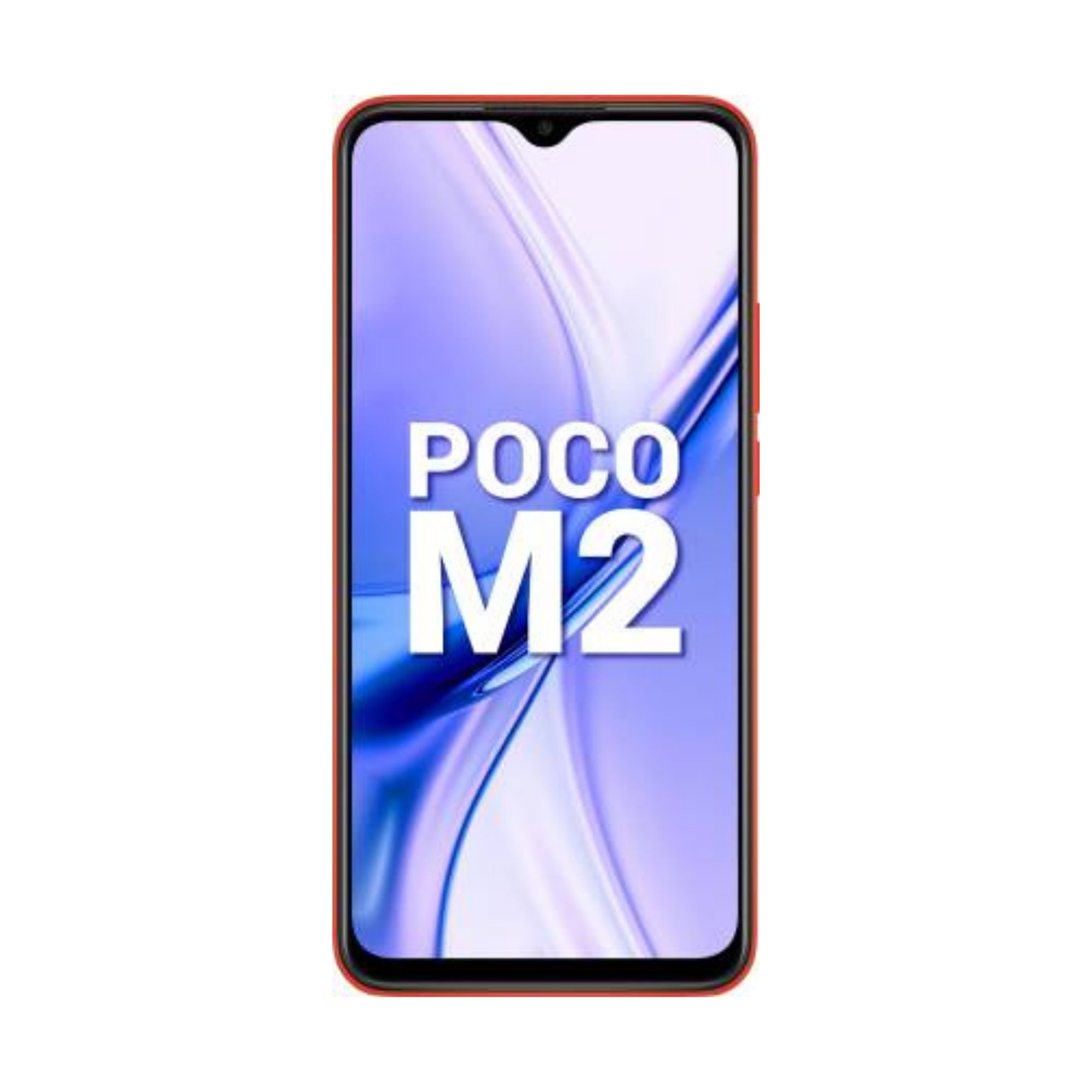
1. Poco M2
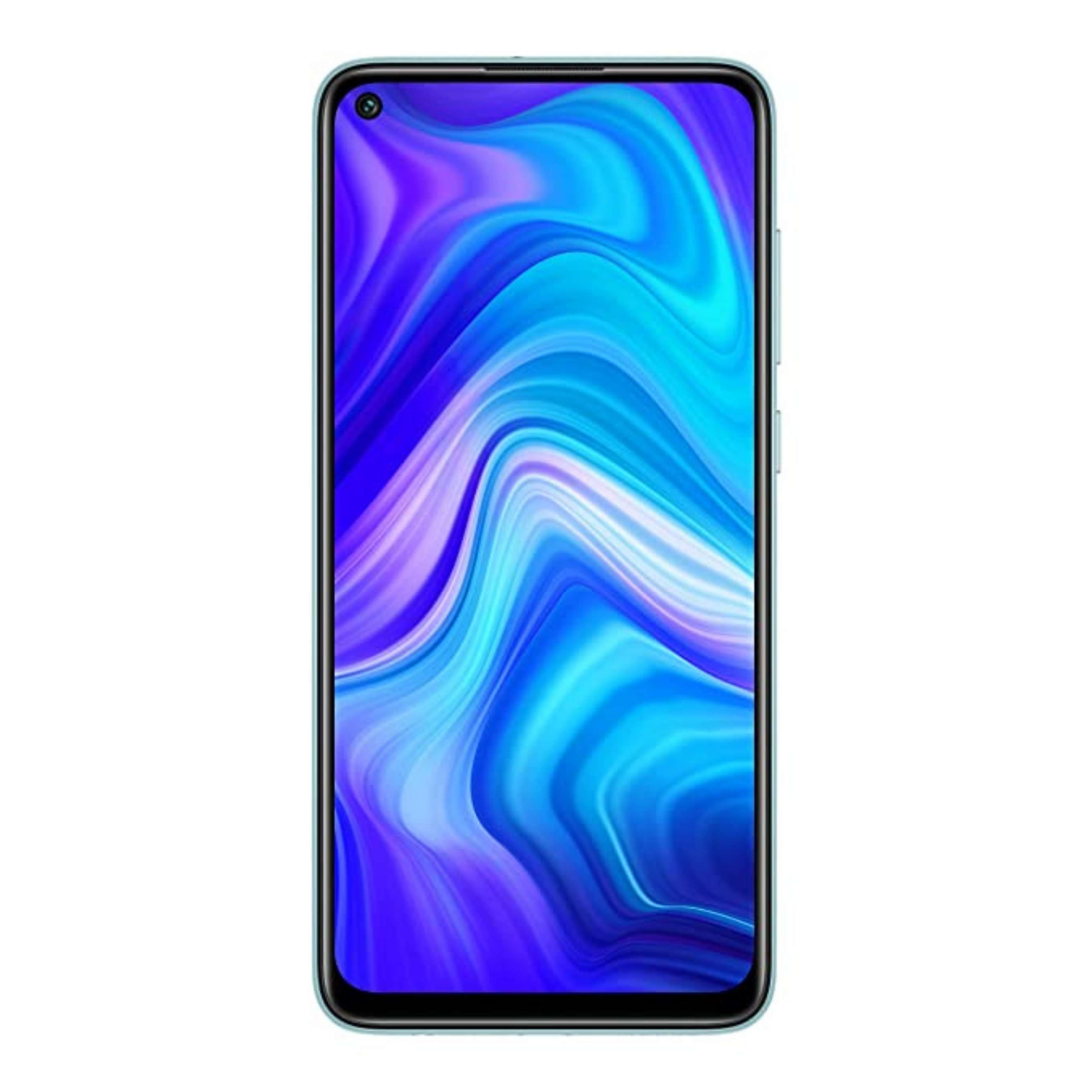
2. Redmi Note 9
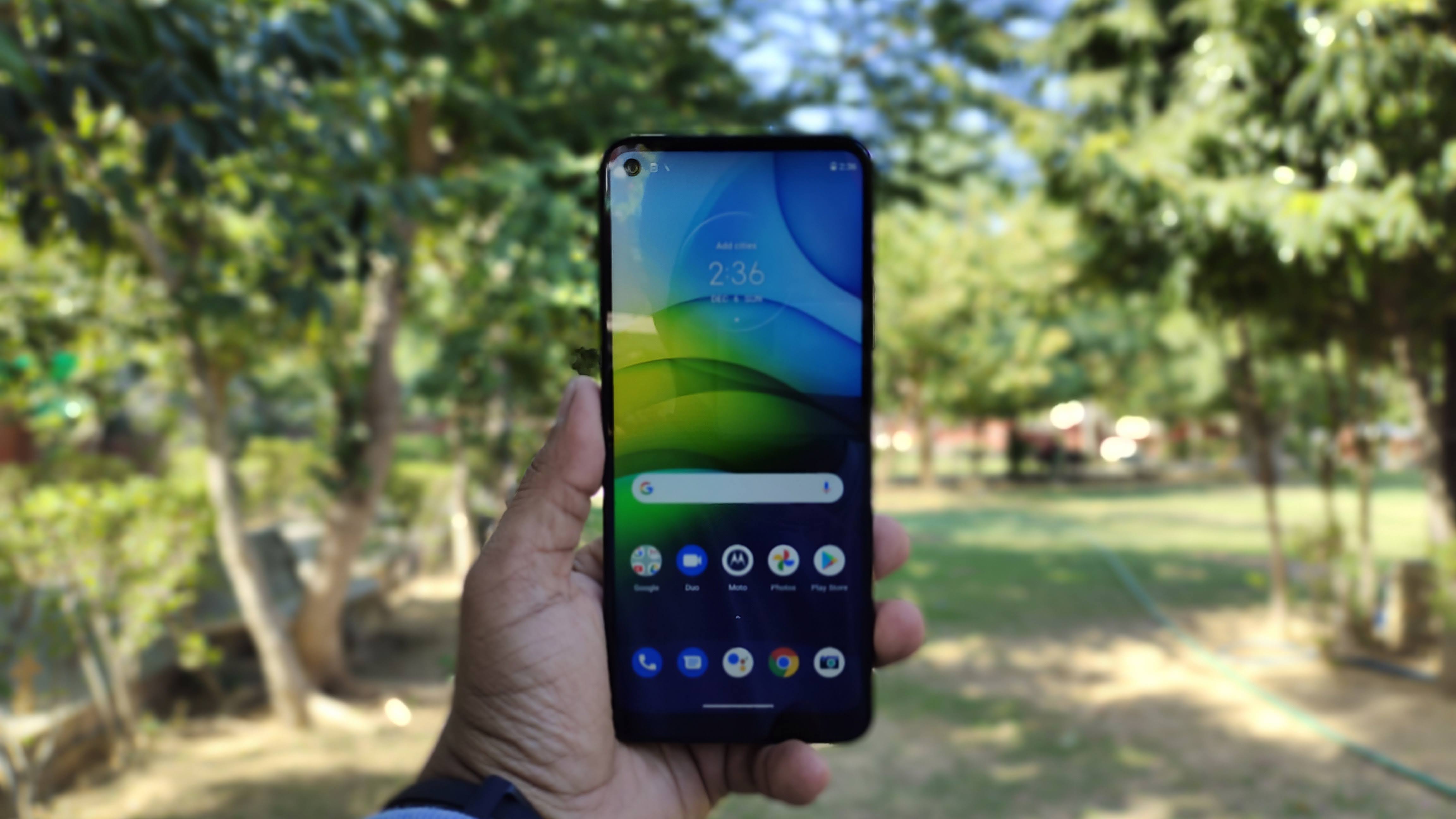

3. Moto G9 Power
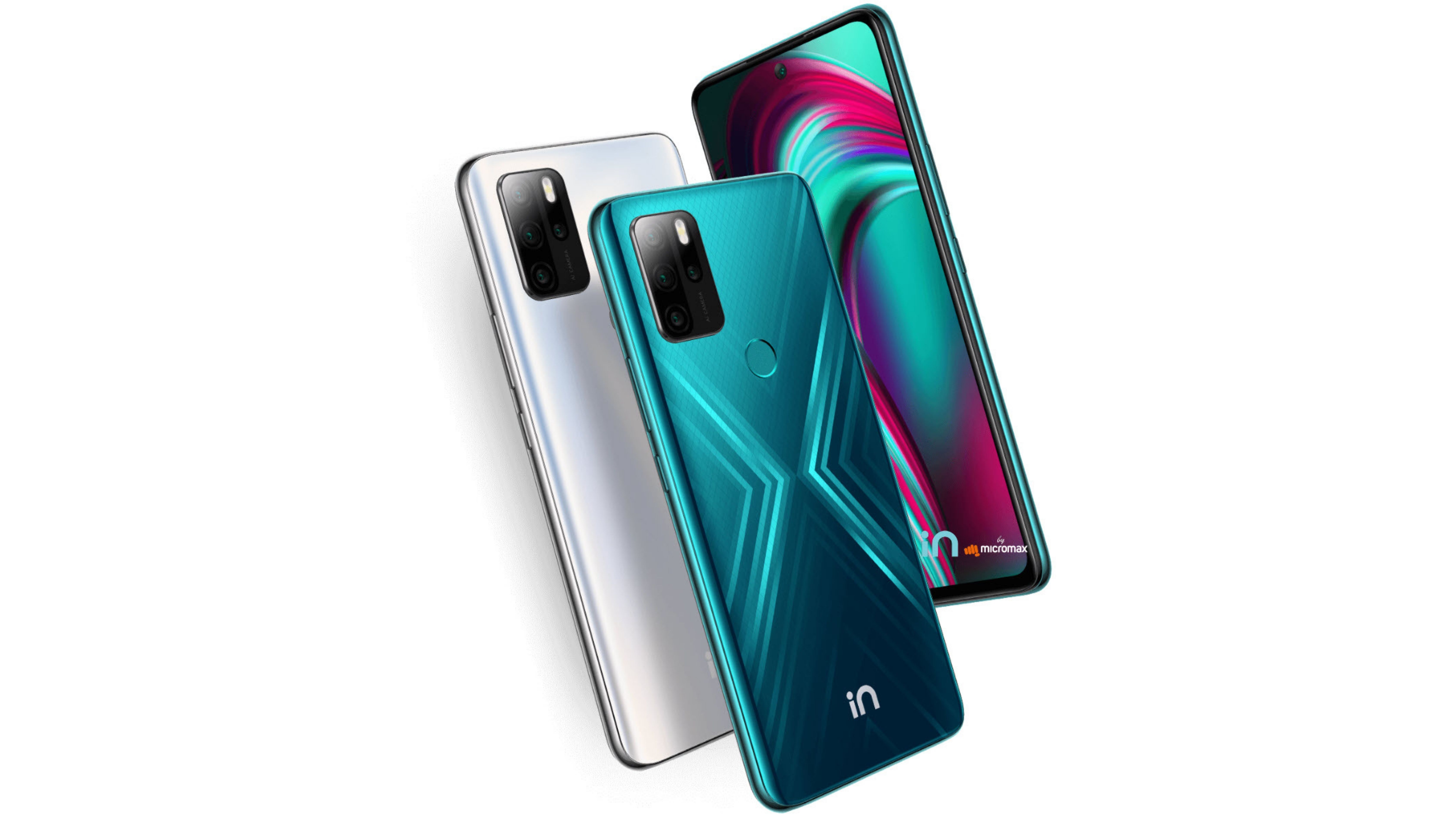
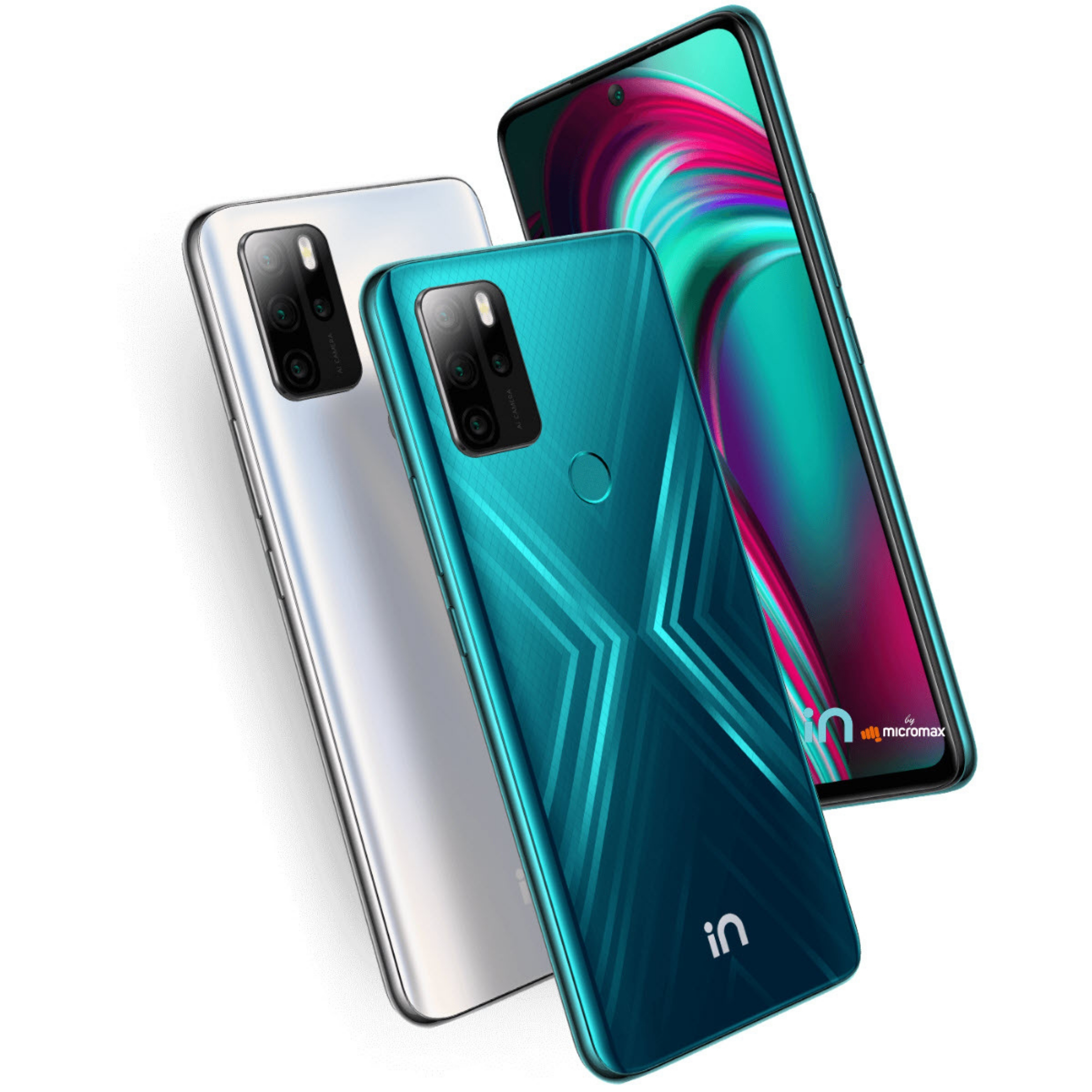
4. Micromax In Note 1
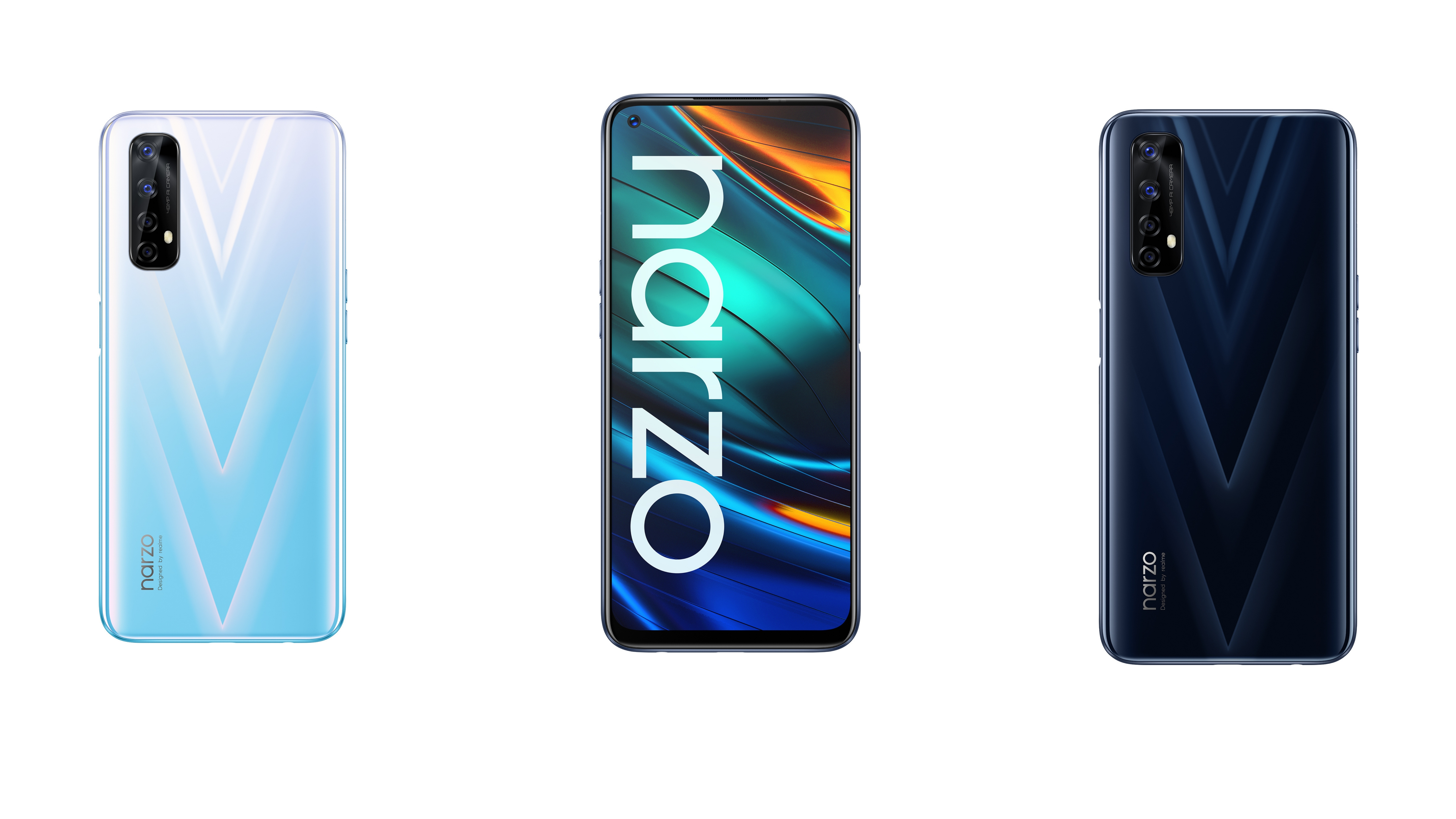
5. Realme Narzo 20
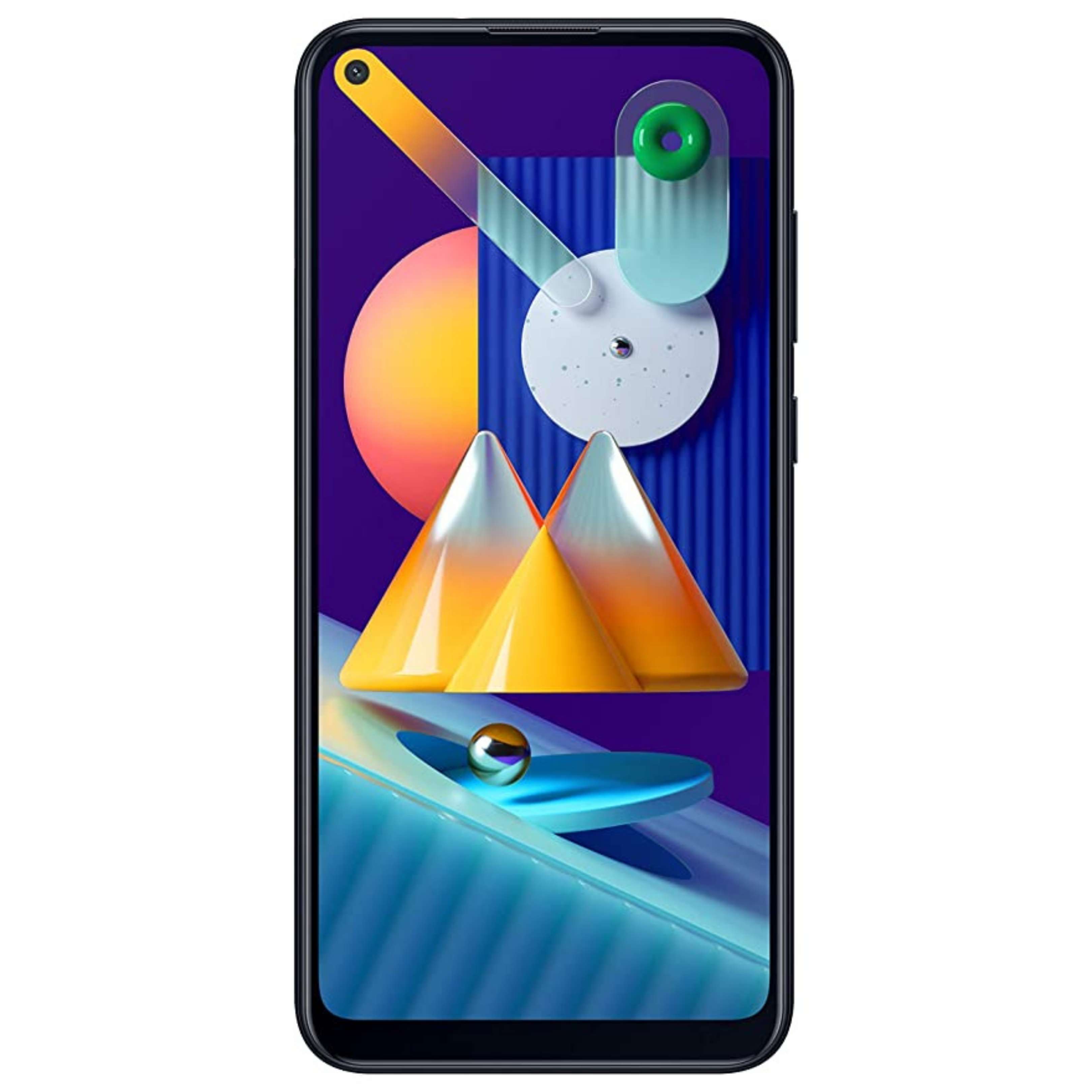
6. Samsung Galaxy M11
These phones are best suited for light to moderate regular usage as they come with 4GB RAM. Some of the phones come with MediaTek HyperEngine suite which makes it a good gaming phone on a budget. The Poco M2 is currently on top of the list as it comes with 6GB of RAM and also offers clean software experience.
The Poco M2 is followed by Redmi, Motorola, Micromax, Realme and Samsung. One important thing that these phones offer is the big battery unit and some of them even offer fast charging. In the coming days, Poco will launch Poco M3 in India and more devices are expected to arrive in the coming months.
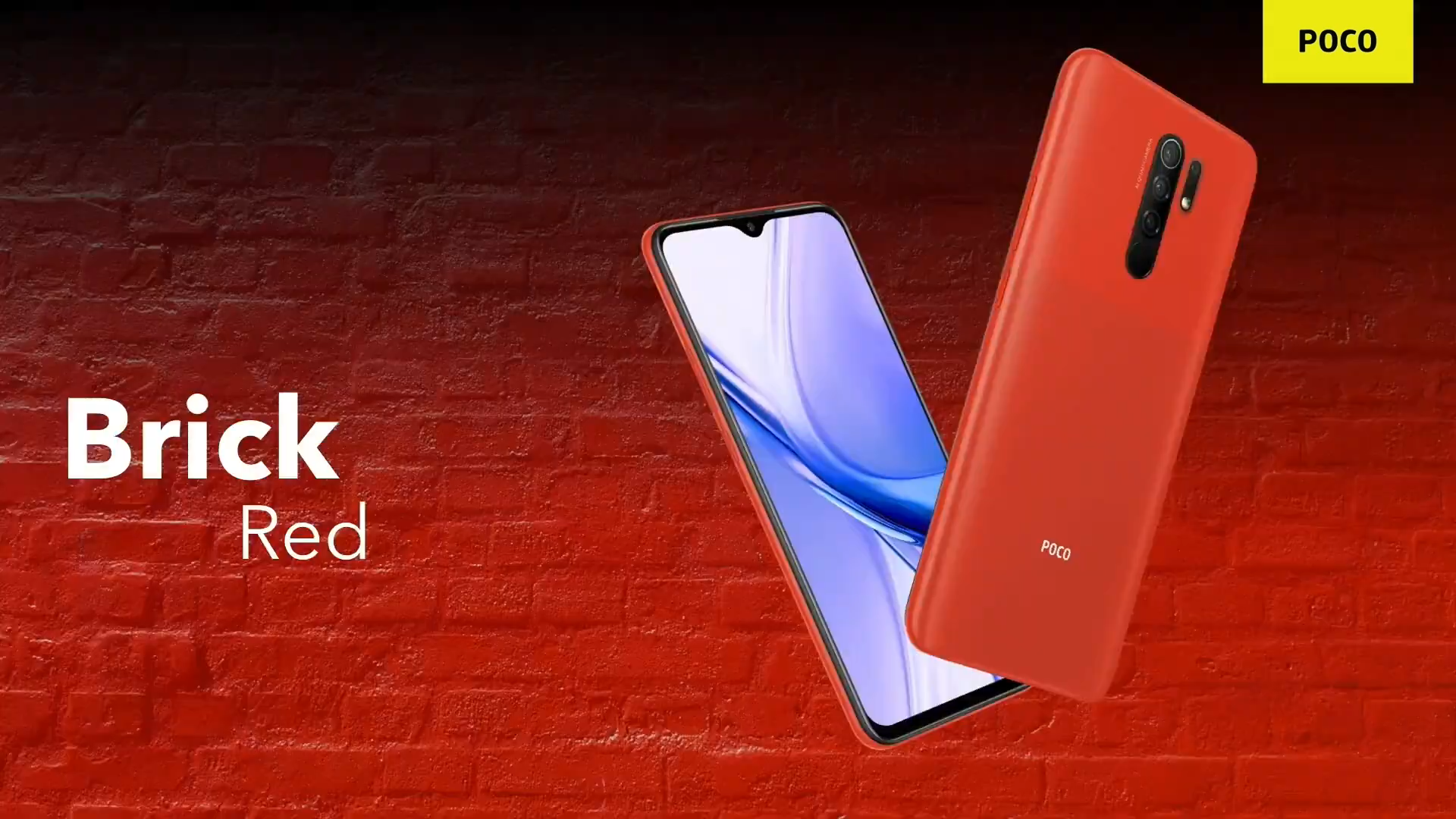
The Poco M2 is the latest and most affordable Poco device which offer 6GB RAM of RAM for under Rs 12,000. It is the cheapest phone with 6GB RAM currently in India. The device is powered by MediaTek Helio G80 chipset. It comes with Poco’s two-tone design to a polycarbonate body along with an anti-fingerprint texture.
The Poco M2 has a quad-camera setup consisting of a 13MP primary camera, an 8MP ultra-wide lens, a 5MP macro shooter and a 2MP depth sensor for portraits. For selfies, there is an 8MP front camera. It is packed with The Poco M2 has a big 5,000mAh battery inside.
Pre-installed apps and annoying push notifications
The Redmi Note 9 comes with a 6.53-inch FHD+ LCD panel. The device is powered by Mediatek’s Helio G85 SoC. You get 4GB of RAM and 64GB of internal storage. The device is backed by a 5,020mAh battery along with 22.5W fast charging over the USB Type-C interface. It supports 9W reverse charging. The fingerprint scanner is located on the back, below the camera module.
Over to the optics, on the rear, there is a quad-camera setup with Samsung’s 48MP GM1 as the primary sensor, an 8MP ultra-wide lens, a 2MP depth and a 2MP macro shooter. And, on the front, you get a 13MP selfie snapper.
As the name suggests, the Power in the name stands for the battery that the device packs in. The Moto G9 Power is packed with a 6000mAh battery and to back that, the device also supports 20W fast charge. The big battery and fast charging combo is still a rarity in the segment and Moto has nailed it here.
On the inside, the Moto G9 Power sports Snapdragon 662 chipset and is paired with 4GB of RAM and 64 of onboard storage. On the front, you get a 6.78-inch HD+ Max Vision IPS display with 20.5:9 aspect ratio. As for the optics, the Moto G9 Power sports a triple rear camera setup with a 64 MP primary shooter with f/1.8, a 2MP macro lens and a 2MP depth sensor both with f/2.4 aperture. This is also one of the cheapest phones to offer a 64MP camera setup. To the front, there is a 16MP punch-hole selfie camera with f/2.2 aperture.
Micromax’s budget device, the In Note 1 offers a clean stock Android experience with zero bloats. The base variant with 4GB RAM and 64GB is priced Rs 10,999 while the 4+128GB is priced at Rs 12,499. You are looking at a 6.67-inch IPS display with Full HD+ resolution. It is a 20:9 aspect ratio screen and has a peak brightness of 450 nits.
Under the hood, the device is powered by the gaming-centric MediaTek Helio G85 chipset paired clocked at 2GHz and Mali G52 graphics will take care of gaming. For optics, the Micromax In Note 1 features a quad-camera stack with a primary 48MP shooter, a 5MP ultra-wide snapper, 2MP macro sensor, and a 2MP depth shooter. There is a 16MP selfie shooter for selfies. The device is backed by a 5,000mAh battery with support for 18W fast charging as well as reverse charging via USB Type-C.
The Realme Nazro 20 is powered by MediaTek Helio G85 octa-core SoC and is backed by a massive 6,000mAh battery unit, the biggest on any Narzo phone yet. Realme is also providing an 18W USB fast charger(Type-C) in the box.
The Realme Narzo 20 offers a 6.5-inch HD+ screen. The device comes in two storage options with 4GB of RAM and 64/128GB storage. For optics, you get the Samsung GM1 48MP primary camera with f/1.8 aperture followed by an 8MP(f/2.3) ultra-wide-angle lens and a 2MP macro shooter with f/2.4 aperture. Selfies are handled by an 8MP shooter. The fingerprint scanner is located at the rear.
The Samsung Galaxy M11 features Snapdrafog 450 chipset, instead of the in-house Exynos chipset. You get 3GB RAM and 32GB internal storage with microSD card support up to 512GB. The device houses a triple rear camera with a 13MP f/1.8 primary sensor followed by a 5MP f/2.2, 115-degree wide lens and a 2MP f/2.4 depth sensor. To power the device, the handset will feature a 5,000mAh battery with 15W fast charger via Type-C interface.
The Galaxy M11 is flaunting a bigger 6.4-inch HD+ TFT LCD Infinity-O panel with a resolution of 1,560 x 720 pixels and 19.5:9 aspect ratio. The device will come with a punch-hole cutout at the top-left corner that houses an 8MP front-facing camera. There is also a rear-mounted fingerprint scanner.
Ever since the unveiling of the Qualcomm Snapdragon 888 chipset in December last year, smartphone manufacturers have been busy trying to win a share of the attention by teasing their upcoming flagship products. Joining the fray, we have the ZTE Axon 30 Pro that is now expected to launch with a 200MP camera.
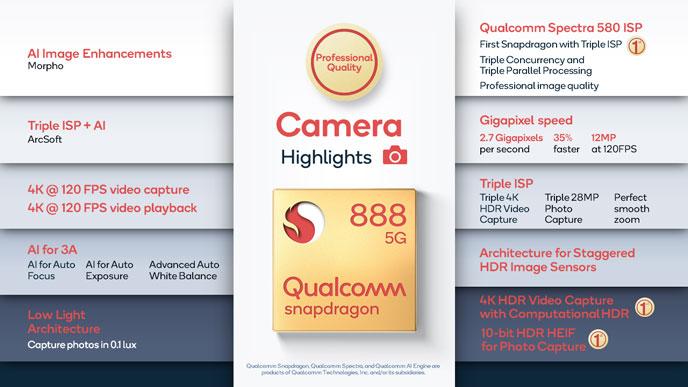
Ni Fei, ZTE's president took to Weibo (a Chinese social networking site) to talk about the upcoming ZTE Axon 30 Pro and, more specifically, its camera. He confirmed that the upcoming smartphone will be able to shoot photos with a resolution of 200MP or over 2.7 billion pixels.
It will also be capable of capturing photos in low-light scenarios that are as dark as 0.1 lumens. It'll also feature 4K HDR video recording and 10-bit color support.
The post also mentions the use of the Spectra 580 image signal processor and the Snapdragon 888. This will be a significant change over the ZTE Axon 20 from last September as that phone was powered by the mid-range Snapdragon 765G.
A variety of the camera specs possible with the Snapdragon 888 chipset.(Image credit: Qualcomm)
Another leak on Weibo shed some more light on the camera sensor, but note that this information doesn't come directly from the company's president.
It is expected to implement the S5KGND image sensor from Samsung, which is yet to be announced but not unexpected as leaks have given us some information on the tech.
It is said to have a diagonal size of 1/1.37-inches, allowing it to shoot 50MP images at 0.64μm with quad-pixel-binning and 12.5MP images at 1.28μm with 16-in-1 pixel binning. It’s unclear if it will also be capable of shooting at the full 200MP resolution, as that would mean shifting to a pixel size of just 0.16μm — the smallest on any camera phone by quite a margin, leading to lower light sensitivity.
Just like its predecessor, the ZTE Axon 30 Pro is also likely to sport an under-display selfie camera. Now in its second iteration, it remains to be seen how much better it gets as the maiden attempt was not really great. Similarly, there will be obvious questions over the need for such a high-resolution camera when some of the best camera phones continue to use 12MP sensors.
ZTE is yet to confirm the Axon 30 Pro launch date, but we expect it to be in the coming months itself.
It used to be a joke, but it’s not so funny anymore. Google is threatening to block searches in Australia if the country implements a compulsory profit-sharing deal that would force tech giants like Google and Facebook to pay media companies for their content. But Australia’s Prime Minister, Scott Morrison, isn’t…
Nintendo sold 11.57 million Switch consoles last quarter, bringing lifetime sales to 79.87 million. That’s a seven percent increase on the same period last year, and, more impressively, the Switch’s best quarter to date. Not bad for a console that’s...
from Engadget https://ift.tt/39BcpFN
via IFTTT https://ift.tt/3oBWHym
The Xiaomi Mi 11 series will go global next week, confirmed to consist of at least two smartphones. We now finally have some information about the Mi 11 Lite.
With the Xiaomi Mi 11 global launch slated for February 8, speculation suggests that it will be joined by a Mi 11 Lite and a Mi 11 Pro, addressing multiple price points at once. New information from China reveals some of the interesting specifications.
According to leakster Digital Chat Station on Weibo, the Xiaomi Mi 11 Lite will be powered by a new Qualcomm chipset, codenamed SM7350. It could be a custom platform developed for Xiaomi with the retail name Snapdragon 755G, clearly indicating its mid-range positioning. It’s likely to be 5G-capable too, as the Snapdragon 765G and Snapdragon 750G both are 5G chipsets. A similar partnership was seen for the Snapdragon 732G on the Poco X3.
Some rumours claimed that the Snapdragon 755G will be built on the 5nm manufacturing process, similar to the Snapdragon 888 with a high-performance Cortex A78 core.
Further, the source talks about its cameras. He states that there will be a 64MP primary camera with an unknown image sensor, and a 5x telephoto lens. That level of magnification is likely to call for a periscopic solution. Interestingly, the vanilla Mi 11 does not have any telephoto shooters, which raises doubts over this leak.
The Xiaomi Mi 11 Lite is also tipped to sport a flat OLED display with a single punch-hole notch. We expect it to support a higher refresh rate too, as with all of Xiaomi’s recent high-end devices.
Soon after, the Xiaomi Mi 11 series is also expected to launch in India by March, hot on the heels of the Redmi Note 10 series. We could also see the Mi 11 Pro share the stage with a new camera system that can zoom up to a whopping 120x and a large 5,000mAh battery, making it the flagship to beat this season.
Xiaomi recently launched the Mi 11 smartphone and now speculations and leaks re rife with information about the Mi 11 Pro. Previous leaks suggested that the company would introduce the Mi 11 Pro with a 4,700mAh battery, but new reports claim that it would be a 5,000mAh battery.
The Xiaomi Mi 11 launch event was in China on December 28. We now know what the phone looks like, and its specs, but there's probably going to be a global launch in the coming months where we see the worldwide price and availability.
According to a Chinese tipster's post on Weibo, the Mi 11 Pro will feature the larger than expected battery. The post even suggests that the battery is split in two which could mean the arrival of a new ultra-fast charging technology.
As for the Xiaomi Mi 11, its design builds on that of the Mi 10 - it looks fairly similar on the front, with a 'punch-hole' cut-out in the top-left corner of the screen for the front-facing camera.
Xiaomi states the Mi 11 screen resolution is 2K - that likely means the resolution is about 1440 x 3200, depending on the aspect ratio. It's an AMOLED panel with a 120Hz refresh rate and 240Hz touch input rate. The phone screen has a size of 6.81 inches across, which makes it one of Xiaomi's biggest smartphones.
The Xiaomi Mi 11 has three rear cameras, one fewer than its predecessor, though quality beats out quantity. These are a 108-megapixel main, 13-megapixel ultra-wide and 5-megapixel telephoto macro sensor.
The Xiaomi Mi 11 is the first launched smartphone with the Qualcomm Snapdragon 888 chipset. Xiaomi Mi 11's dual speakers were tuned by Harman Kardon. The Xiaomi Mi 11 will come running MIUI 12.5 based on Android.
Besides the 5,000mAh battery, the smartphone is set to feature 10W Bilateral charging with 55W wired and 50W wireless charging.
When the now burgeoning segment of online streaming services was brought under the purview of the I&B Ministry in India last year, everyone understood that it was only a matter of time before some kind of rules kick in for censoring the content that are put out by the OTT platforms.
The recent raging controversies surrounding some of the stuff purveyed in the web series Tandav and Mirzapur 2 seem to have hastened the process.
The Union I&B Minister Prakash Javadekar has said that his Ministry would soon release guidelines for the streaming platforms in view of a number of complaints against the content showcased by them.
He added: "We have received a lot of complaints against some serials available on OTT platforms. Films and serials released on OTT platforms and digital newspapers do not come under the purview of the Press Council Act, Cable Television Networks (Regulation) Act or Censor Board. We will come up with some guidelines on it soon," Javadekar was quoted as saying.
As the Minister said, there is no specific law for digital content providers and news platforms. And the segment was not directly regulated by any particular ministry till government thought it fit to bring it under the ambit of Union Ministry of Information and Broadcasting. Till then, they were governed by the Information Technology Act, 2000.
Earlier last year, proposals for self-regulation mooted by the apex body of internet and mobile service providers didn't find favour with the government that believed it is far too flexible.
The OTT platforms had mooted a two-tier structure for self-regulation where the second would be a complaint redress forum, which would be chaired by a retired judge of the Supreme Court or High Court. However, in the absence of a pre-defined set of guidelines on what constitutes prohibited content, there could be no clarity on the matter.
Now the I&B ministry is expected to come out with a bunch of guidelines as to which kind of content is kosher and which aren't. It is expected to be similar to the Film Censor Board.
For the record, Indian Censor Board guidelines that cover films include a ban on glorification of anti-social activities and criminal acts, involvement of children in violent acts, abuse or ridicule of specially-abled people, cruelty to animals, scenes encouraging alcohol consumption, smoking etc. vulgarity and obscenity and sexual violence, denigration of race and religion.
Misgivings over some content on OTT platforms
The fact of the matter is in a conservative country like India, despite the growing openness, there is some queasiness over some of the content available on some OTT platforms.
It is not politically sensitive content alone that had lead to raised eyebrows. Some sexually explicit material had also drawn the ire of people and powers that be.
In the event, digital content monitoring had become inevitable. It is an unsavoury prospect, but it was always on cards in the wake of recent developments.
Want to know about the latest happenings in tech? Follow TechRadar India on Twitter, Facebookand Instagram!
from TechRadar - All the latest technology news https://ift.tt/3oztofF
via IFTTT https://ift.tt/eA8V8J
The smartphones under Rs 7,000 in India is not the most popular or most demanding segment. However, there is still a fair amount of interest and users are looking to buy a cheap phone for aged persons or for children's educational purpose. While there are not many launches that happened in the past few months for this segment, there are a handful options available right now in India.
Once the GST rates got hiked last year and the production was slowed down due to lockdown, the smartphones under Rs 7,000 almost became void. However, things got slightly better towards the end of 2020 with Xiaomi and Micromax launching their cheap phones which falls in the sub Rs 7,000 segment.
best phones under Rs 7,000
1. Redmi 9A
2. Micromax In 1b
3. Samsung Galaxy M01 Core
The current list of best smartphones under Rs 7,000 consists of three phones from Xiaomi, Micromax, and Samsung. In the coming days, Samsung will launch another phone dubbed the Galaxy M02 and we expect a few more phones to launch as the year progresses.
The phones under Rs 7,000 are entry-level smartphones which will serve a basic purpose for a person. You can buy if you are light users who like to watch some YouTube videos, use a couple of chat apps, and to make calls. We also advise you to not install too many apps on board as the performance could take a hot here. Also, if you can extend the budget by a bit, you can have a look at our best phones under Rs 10,000 list.
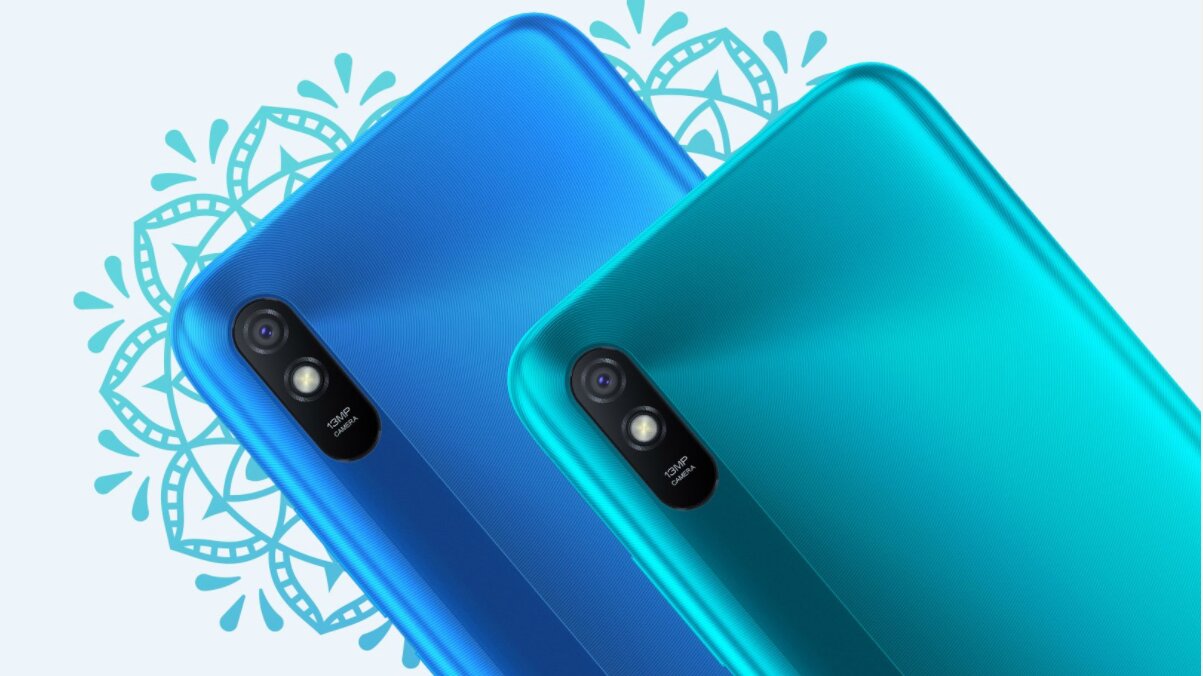
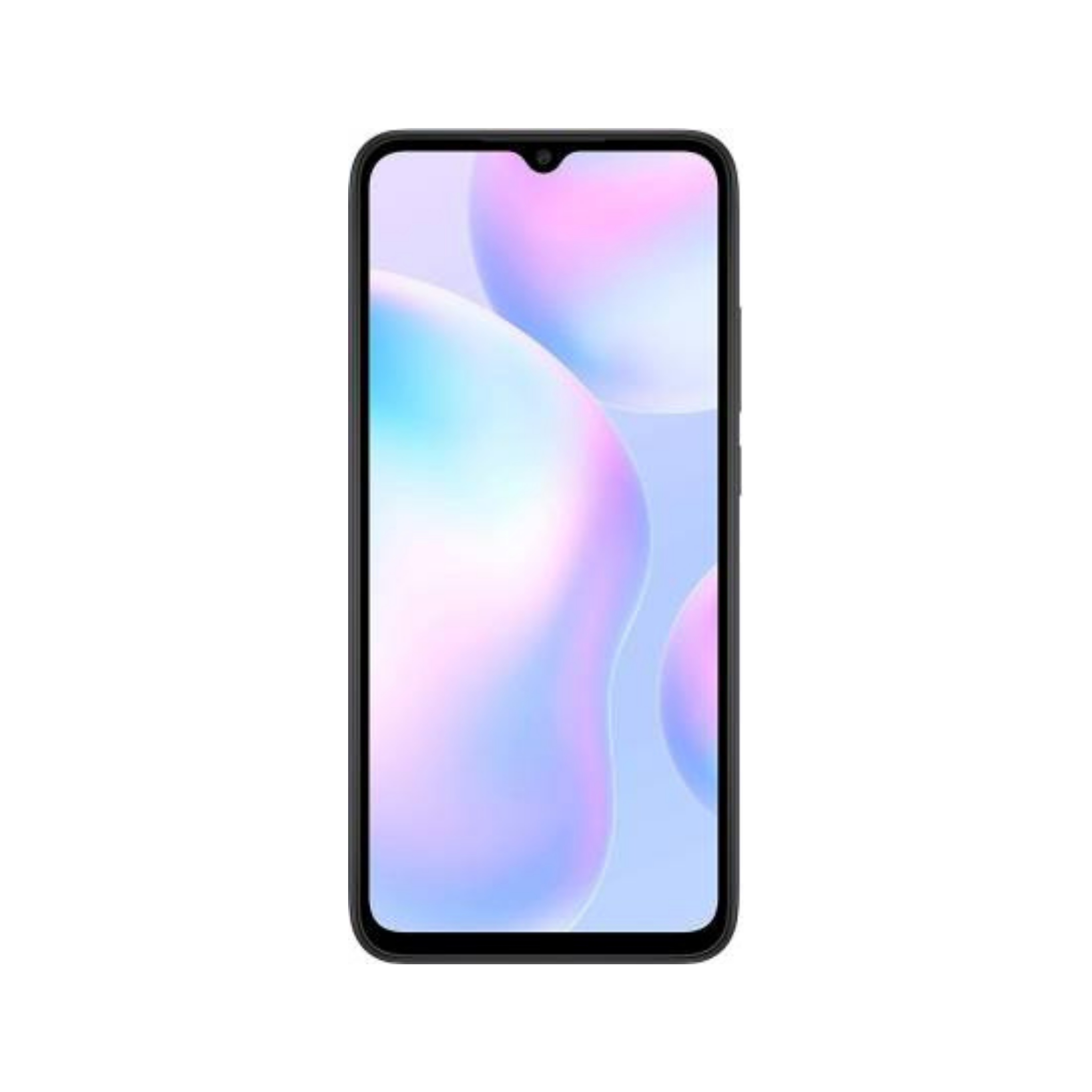
Xiaomi’s Redmi 9A is the company’s most affordable phone launched in recent times. You get a 6.53-inch HD+ display which is certified by TUV Rheinland for low Blue light. On the inside, the Realme 9A is powered by octa-core MediaTek Helio G25 SoC onboard clocked at 2GHz. As for the optics, the Redmi 9A comes with a single 13MP sensor. For selfies, you get a 5MP snapper.
Further, the device packs in a 5,000mAh battery with 10W charging via micro USB port. Connectivity options on the device include Dual-SIM 4G LTE, VoLTE, and you also get an expandable slot for expansion up to 512GB. Other features include Face unlock, P2i water resistance, and there is also a 3.5mm audio jack onboard.
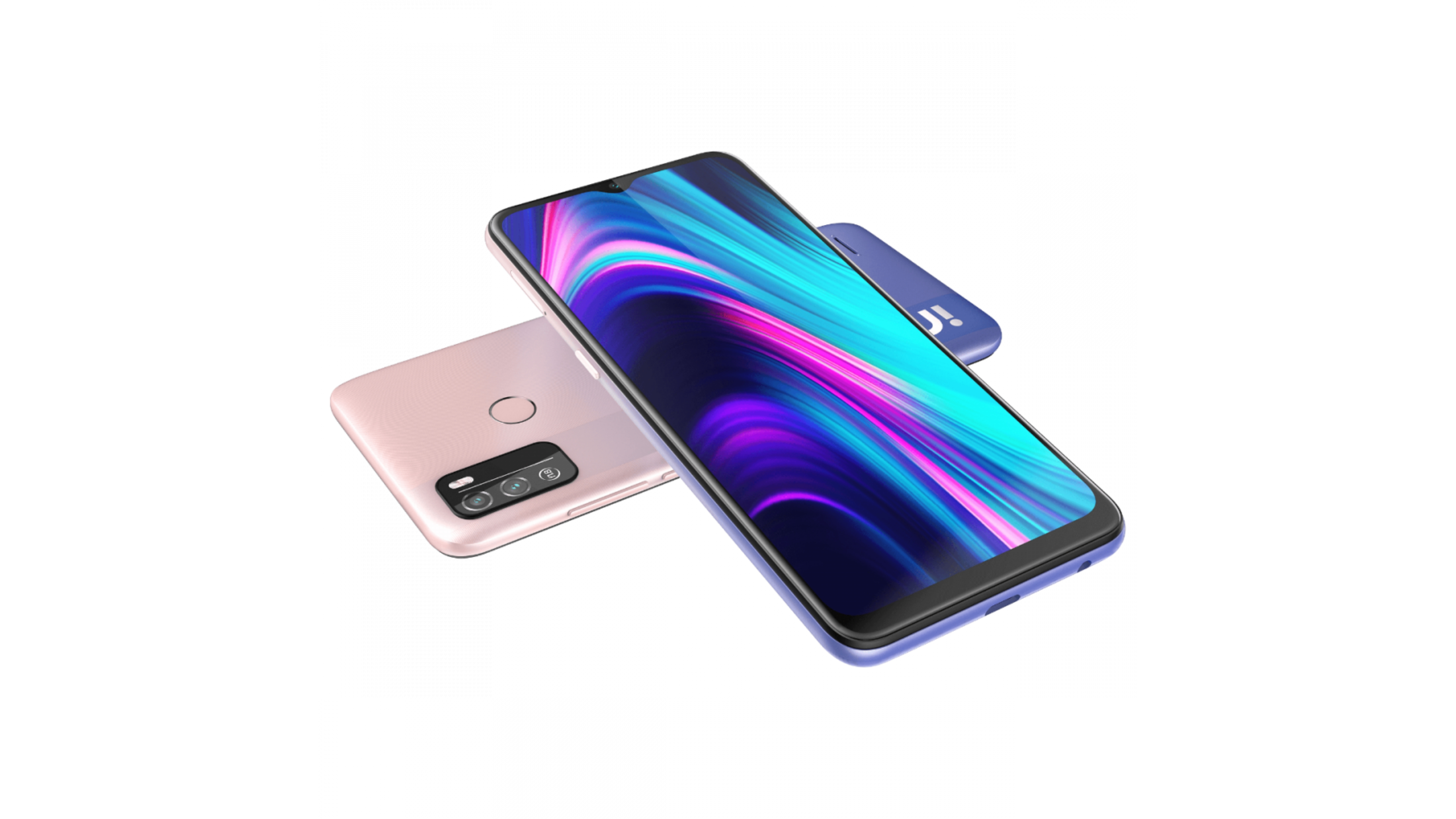
Micromax made its comeback to the Indian market last year. Banking on Indian sentiment, the brand has created quite a buzz and the Micromax In 1b is the cheapest among the two budget phones launched by the company. The company also provides clean Android 10 software which is rare in this price point.
The Micromax In 1b sports a 6.53-inch HD+ IPS screen with 20:9 aspect ratio. Under the hood, the device is powered by MediaTek Helio G35 chipset. You get a dual rear camera with 13MP primary shooter with f/1.8 and a 2MP depth sensor. To the front, In 1b features an 8MP shooter in the dew-dop notch. Powering the device is a massive 5000mAh battery with support for 10W fast charging over a Type-C port.
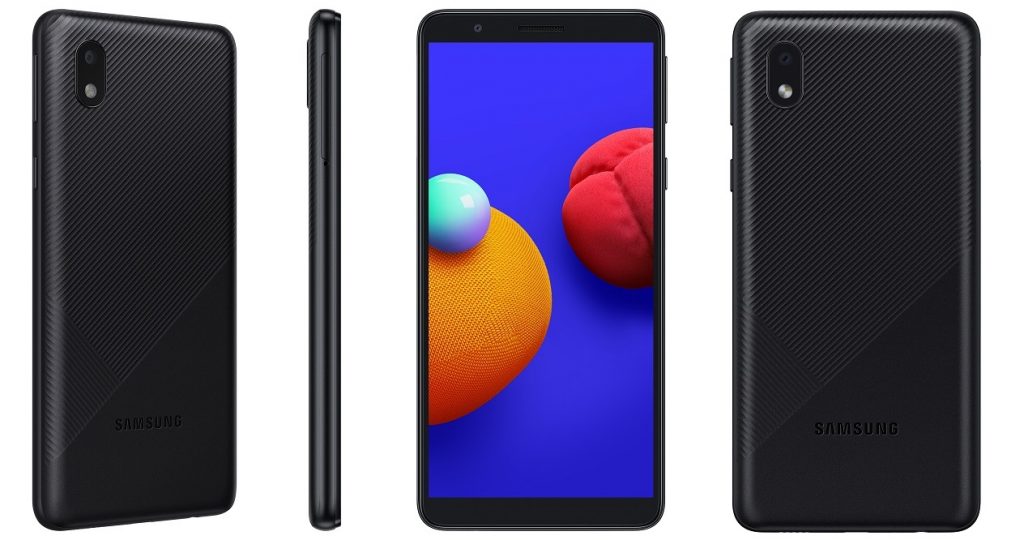
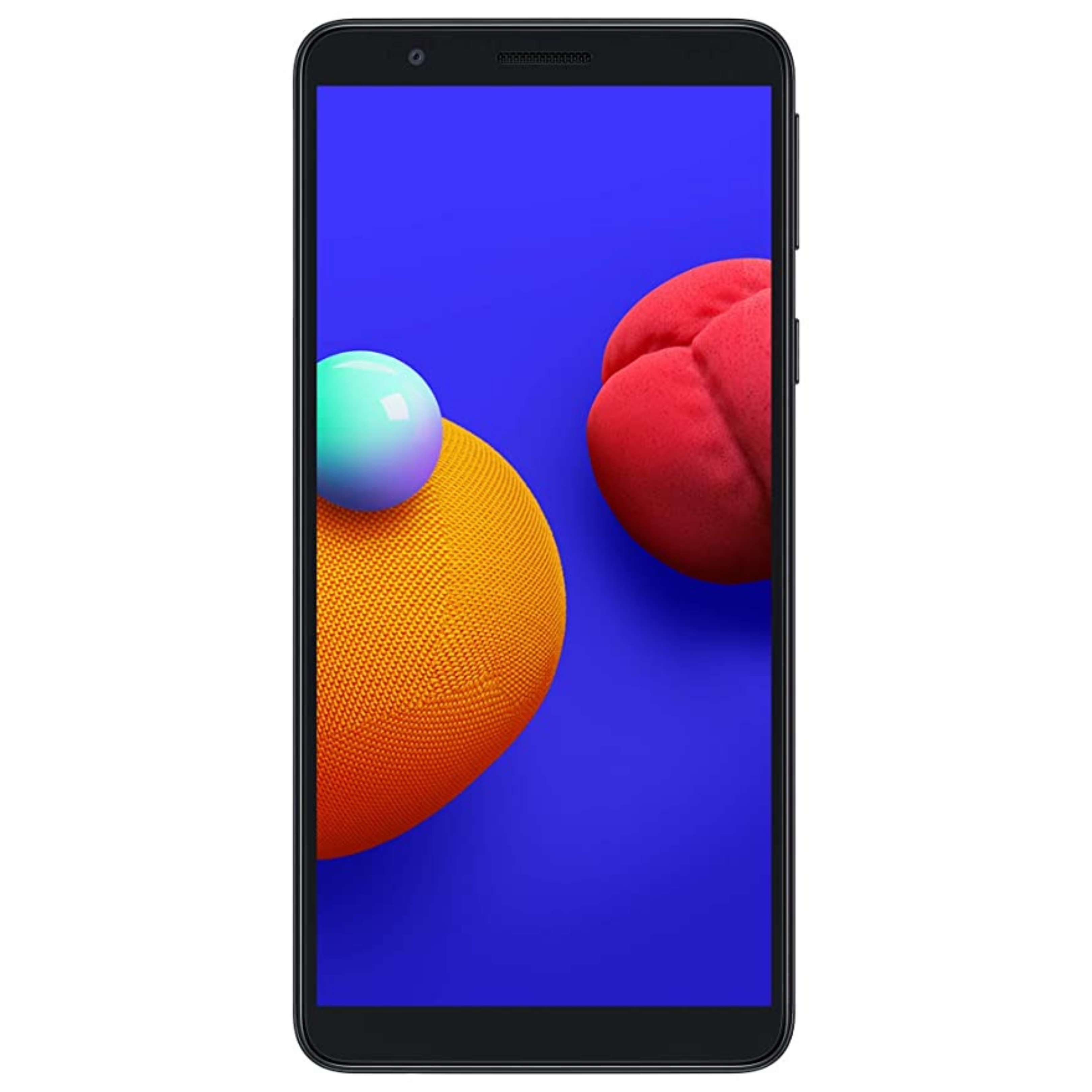
For those who are on an extremely tight budget, the Samsung Galaxy M01 Core will serve your basic needs. The phone comes in two configurations - 1+16GB and 2+32GB, we’d highly recommend you to get the latter as both are priced under Rs 7,000. In fact, the 2+32GB variant is now available for Rs 5,999.
The Samsung Galaxy M01 Core features a 5.3-inch HD+ display and is powered by a quad-core MediaTek 6739 SoC. The device is backed by a 3,000mAh battery that according to Samsung lasts up to 11 hours. It runs on Android Go platform with optimized apps from Google and features several India-centric features. In the optics department, you get an 8MP rear camera along with an LED flash and a 5MP front-facing camera.