
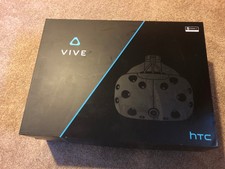
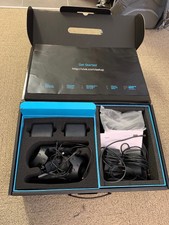
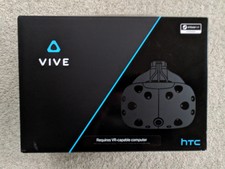
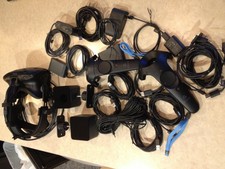
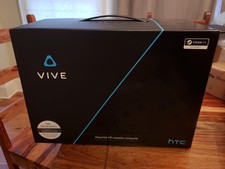
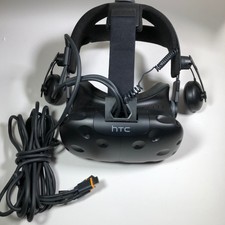
HTC Vive VR Headset Deluxe Audio Strap + Extras
ID: 264173951543
Auction price: $449.95
Bid count:
Time left: 29d 21h
Buy it now: $449.95
February 1, 2019 at 05:16AM
via eBay https://ebay.to/2MJnGqt http://bit.ly/2DN40Pt
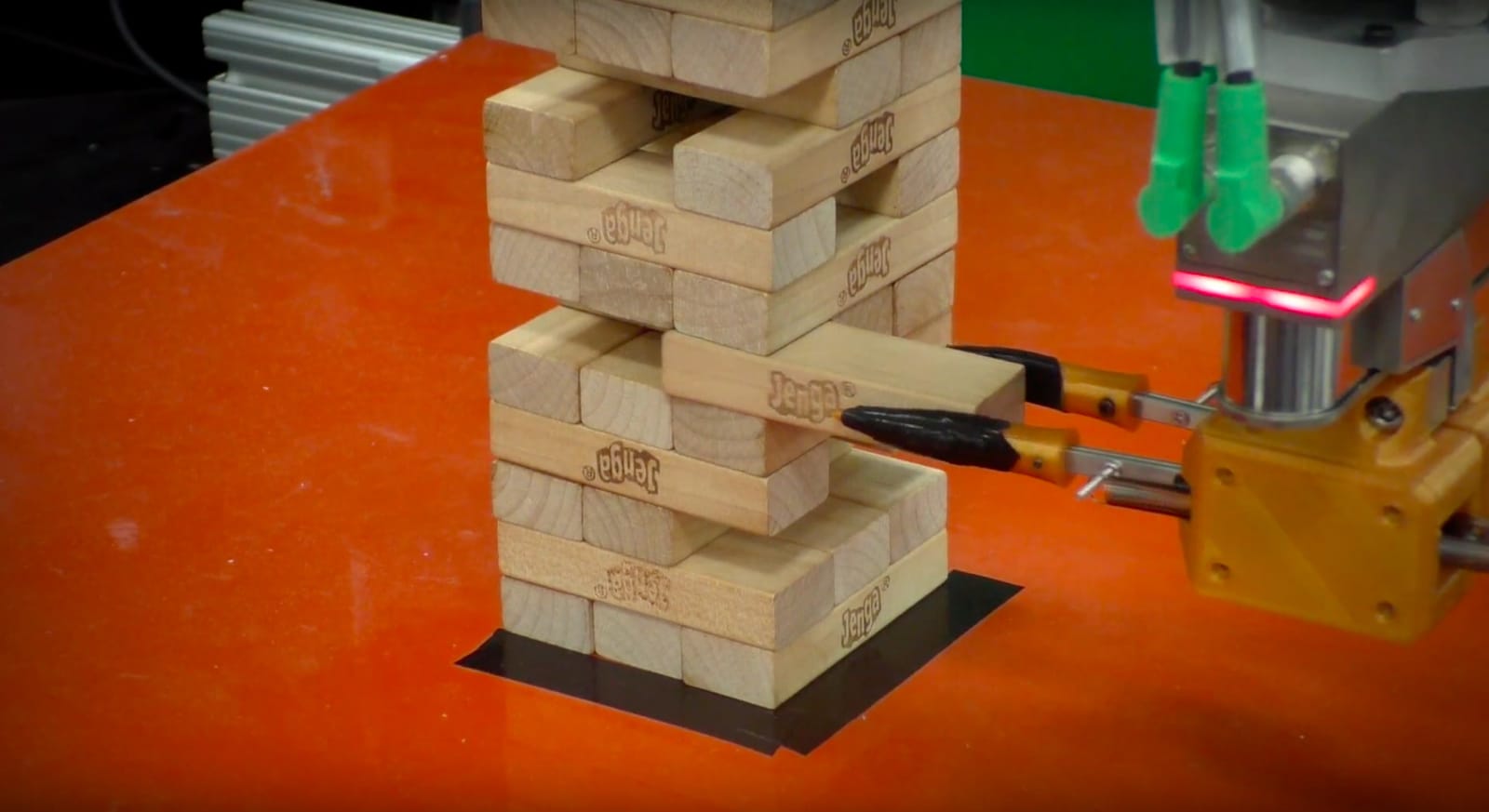 Artificial intelligence is already better than humans at video games, quiz shows and an ancient Chinese board game. Next up, the bots are coming for Jenga. In a newly-published paper, scientists from MIT describe how they taught a robot real-world ph...














Fourteen years after unveiling its first location in New York, Nintendo is finally opening an official store in Japan, too. Nintendo Tokyo will be located in Shibuya Parco, the new flagship of the Parco department store chain. Nintendo Tokyo is scheduled to open at the same time as the shopping center in fall.
In an announcement, Nintendo said “we are preparing to make this store, which will be a new base for communicating Nintendo information in Japan, an enjoyable place for a wide range of consumers.” In addition to games, consoles, accessories like amiibo, and branded merchandise, Nintendo Tokyo will also host gaming kiosks and events (if the New York store, in Rockefeller Center, is anything to go by, these might include tournaments, demos, and launches).
Nintendo recently posted strong third-quarter revenue growth, but also cut its Switch forecast for the year. Sales may pick up again, however, if Nintendo releases a smaller and less expensive version of the console, as Japanese financial publication Nikkei reported it plans to do.


It seems inevitable that the high seas will eventually play host to a sort of proxy war as automated vessels clash over territory for the algae farms we’ll soon need to feed the growing population. But this rocket-launching robo-boat is a peacetime vessel concerned only with global weather patterns.
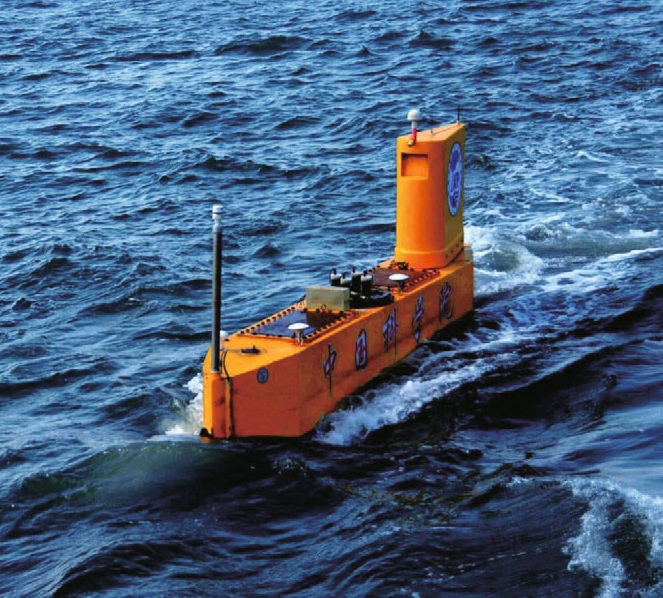
The craft is what’s called an unmanned semi-submersible vehicle, or USSV, and it functions as a mobile science base — and now, a rocket launch platform. For meteorological sounding rockets, of course, nothing scary.
It solves a problem we’ve seen addressed by other seagoing robots like the Saildrone: that the ocean is very big, and very dangerous — so monitoring it properly is equally big and dangerous. You can’t have a crew out in the middle of nowhere all the time, even if it would be critical to understanding the formation of a typhoon or the like. But you can have a fleet of robotic ships systematically moving around the ocean.
 In fact this is already done in a variety of ways and by numerous countries and organizations, but much of the data collection is both passive and limited in range. A solar-powered buoy drifting on the currents is a great resource, but you can’t exactly steer it, and it’s limited to sampling the water around it. And weather balloons are nice, too, if you don’t mind flying it out to where it needs to be first.
A robotic boat, on the other hand, can go where you need it and deploy instruments in a variety of ways, dropping or projecting them deep into the water or, in the case of China’s new USSV, firing them 20,000 feet into the air.
“Launched from a long-duration unmanned semi-submersible vehicle, with strong mobility and large coverage of the sea area, rocketsonde can be used under severe sea conditions and will be more economical and applicable in the future,” said Jun Li, a researcher at the Chinese Academy of Sciences, in a news release.
The 24-foot craft, which has completed a handful of near-land cruises in Bohai Bay, was announced in the paper. You may wonder what “semi-submersible” means. Essentially they put as much of the craft as possible under the water, with only instruments, hatches and other necessary items aboveboard. That minimizes the effect of rough weather on the craft — but it is still self-righting in case it capsizes in major wave action.
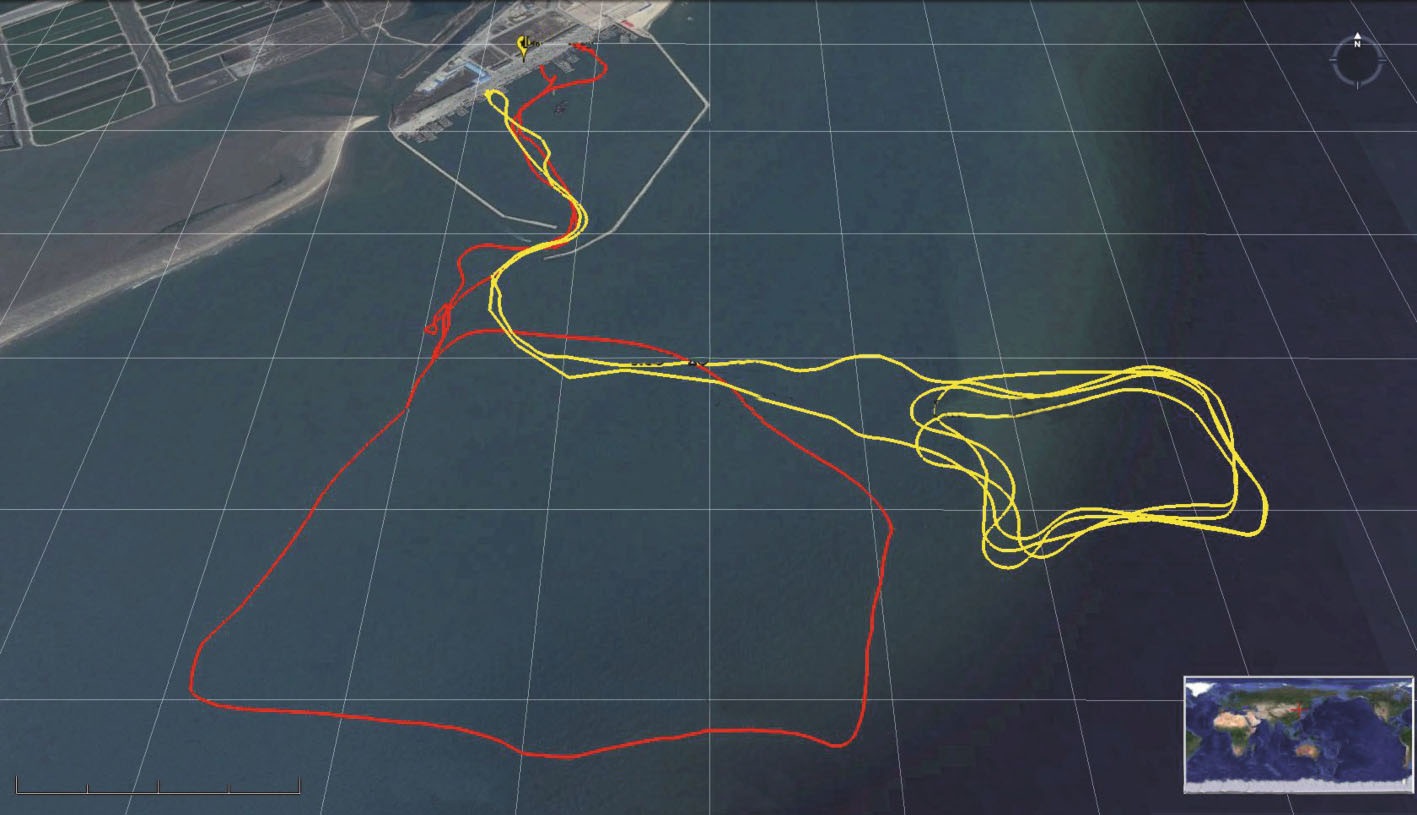
The USSV’s early travels
It runs on a diesel engine, so it’s not exactly the latest tech there, but for a large craft going long distances, solar is still a bit difficult to manage. The diesel on board will last it about 10 days and take it around 3,000 km, or 1,800 miles.
The rocketsondes are essentially small rockets that shoot up to a set altitude and then drop a “driftsonde,” a sensor package attached to a balloon, parachute or some other descent-slowing method. The craft can carry up to 48 of these, meaning it could launch one every few hours for its entire 10-day cruise duration.
The researchers’ findings were published in the journal Advances in Atmospheric Sciences. This is just a prototype, but its success suggests we can expect a few more at the very least to be built and deployed. I’ve asked Li a few questions about the craft and will update this post if I hear back.


You may think that the worst you’ll risk by buying a bargain-bin smart bulb or security camera will be a bit of extra trouble setting it up or a lack of settings. But it’s not just while they’re plugged in that these slapdash gadgets are a security risk — even from the garbage can, they can still compromise your network.
Although these so-called Internet of Things gadgets are small and rather dumb, they’re still full-fledged networked computers for all intents and purposes. You may not need to do much, but you still need to take many of the same basic precautions to prevent them from, say, broadcasting your private information unencrypted to the world, or granting root access to anyone walking by.
In the case of these low-cost “smart” bulbs investigated by Limited Results (via Hack a Day), the issue isn’t what they do while connected but what they keep onboard their tiny brains, and how.
All the bulbs they tested proved to have no real security at all protecting the information kept on the chips inside. After exposing the PCBs, they attached a few leads and in a moment each device would spit out its boot data and be ready to take commands.
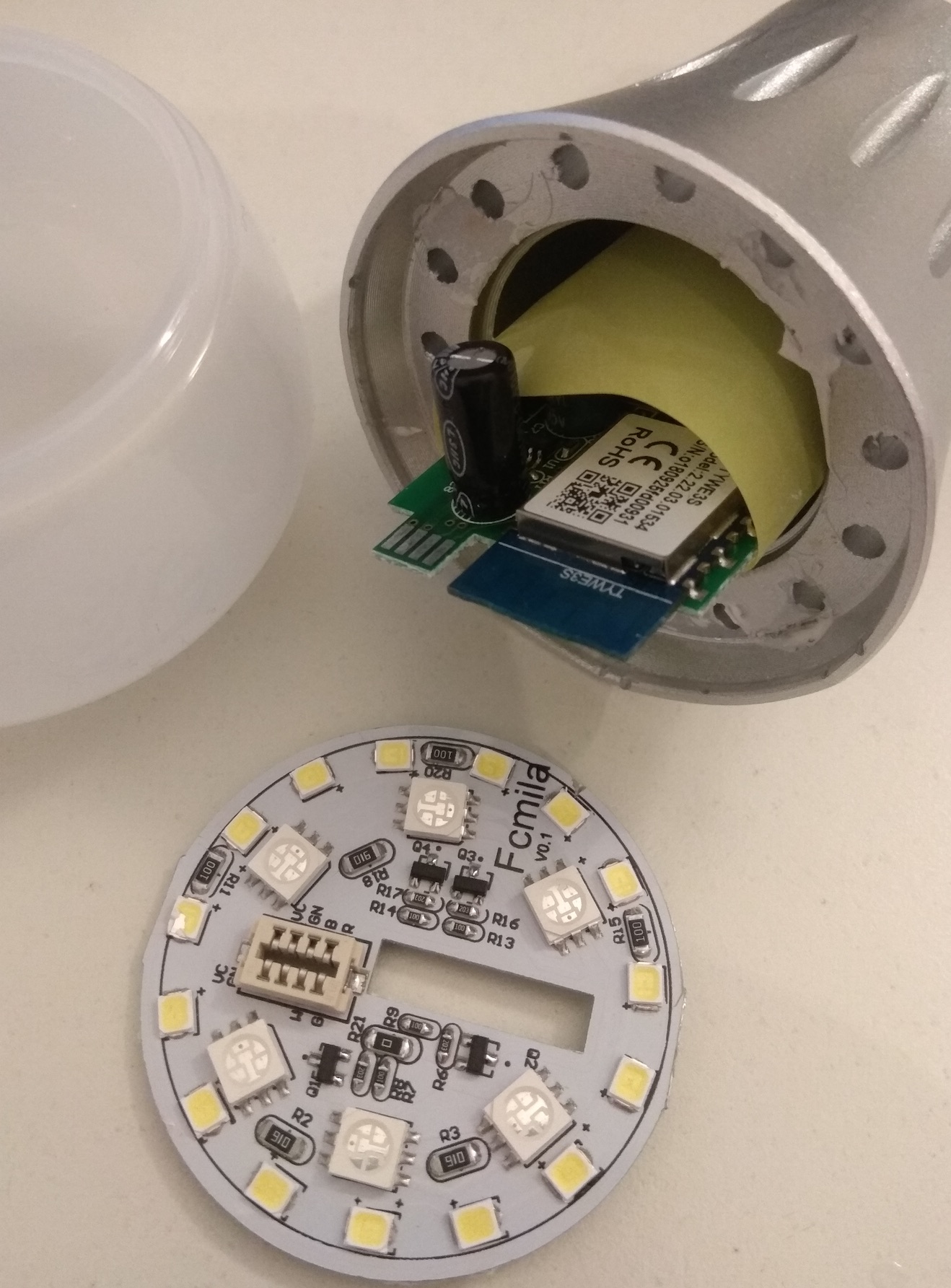 The data was without exception totally unencrypted, including the wireless password to the network to which the device had been connected. One device also exposed its private RSA key, used to create secure connections to whatever servers it connects to (for example to check for updates, upload user data to the cloud and so on). This information would be available to anyone who grabbed this bulb out of the trash, or stole it from an outdoor fixture or bought it secondhand.
“Seriously, 90 percent of IoT devices are developed without security in mind. It is just a disaster,” wrote Limited Results in an email. “In my research, I have targeted four different devices : LIFX, XIAOMI, TUYA and WIZ (not published yet, very unkind people). Same devices, same vulnerabilities, and even sometimes exactly same code inside.”
Now, these particular bits of information exposed on these devices aren’t that harmful in and of themselves, although if someone wanted to, they could take advantage of it in several ways. What’s important to note is the utter lack of care that went into these devices — not just their code, but their construction. They really are just basic enclosures around an off-the-shelf wireless board, with no consideration given to safety, security or longevity. And this type of thing is not by any means limited to smart bulbs.
These devices all proudly assert that they support Alexa, Google Home or other standards. This may give users a false sense that they are in some way accredited, inspected or otherwise held to basic standards.
In fact, in addition to all of them having essentially no security at all, one had its (conductive) metal shell insulated from the PCB only by a loose piece of adhesive paper. This kind of thing is an electrical fire, or at least a short, waiting to happen.
As with any other class of electronics, there’s always a pretty good reason why one is a whole lot cheaper than another. But in the case of a cheap CD player, the worst you’re going to get is skipping or a scratched disc. That’s not the case with a cheap baby monitor, a cheap smart outlet, a cheap internet-connected door lock.
I’m not saying you need to buy the premium version of every smart gadget out there — consumers need to be aware of the risks they are exposing themselves to with the installation of any such device, let alone a poorly made one.
If you want to limit your own risk, a simple step you can take is to have your smart home devices and such isolated on a subnet or guest network. Make sure that the devices, and of course your router, are password protected, and take common sense measures like changing that password regularly.


If you’re interested in Meizu’s insane smartphone that doesn’t have any port or button, you can now pre-order it on Indiegogo for $1,299. Supply is limited as the company is only selling 100 units for now.
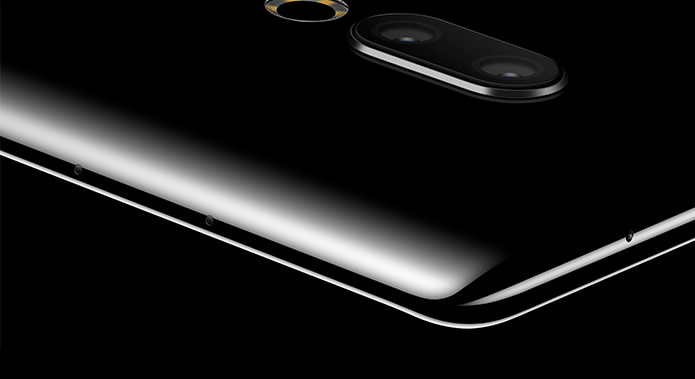
The Meizu Zero looks like any modern phone at first sight. But if you look beyond the display, you’ll notice that there’s absolutely zero port or button.
The volume button has been replaced with a touch-sensitive surface. The fingerprint sensor is integrated in the display. Wireless charging is the only way to charge the device. And if you’re thinking about putting your SIM card in the phone, there’s no SIM slot either — I hope your carrier supports eSIM cards.
There’s no speaker grille either. Meizu is using the screen as a speaker by sending vibrations through the display. It also works as a microphone, apparently.
It’s unclear if this is just a giant joke or an actual product. But it’s an interesting experiment. For $1,299, you get a phone with a 5.99-inch AMOLED display and a Snapdragon 845 system-on-a-chip. The company expects to ship the device in April 2019.


Sick of filling the limited space on your phone with apps, photos and videos? Sometime in the near future, your smartphone could ship with more than one terabyte (1TB) of internal storage and run 10 times faster than a standard memory card.
Samsung is best known for making smartphones, but the company’s memory division — one of its most profitable units — just announced it has begun mass-producing a 1TB flash storage chip for phones. There’s no word on when they’ll be inside smartphones, but Samsung said it plans to increase production during the first half of this year.
“Smartphone enthusiasts will soon be able to enjoy storage capacity comparable to a premium notebook PC, without having to pair their phones with additional memory cards,” Samsung said.
That 1TB capacity is double the previous highest that the Korean firm has produced. Its newest chip gave the Galaxy Note 9 a 512GB model, which passes the terabyte milestone when a 512GB SD card is added. This new breakthrough promises to offer that without the help of a card, but the company also boasted of improved performance.
Samsung said its new tech reaches speeds of up to 1,000 megabytes per second (MB/s) — that would transfer a 5GB-sized full HD video in just five seconds, as opposed to nearly one minute with conventional microSD cards. Increased memory will also enable better-quality high-resolution video shooting thanks to faster random read speed, it said.
Sounds good, but might this ship before the end of the year? The Samsung rumor mill is already speculating that the upcoming Galaxy Note 10 could include a 1TB model, but at this stage there is no concrete evidence. Keep an eye out for future leaks for more hints.


