
Just added to Digital Cameras on Best Buy
Kodak - MiniShot 10.0-Megapixel Digital Camera - Black
$119.99
SKU: 6202761
April 1, 2018
via Best Buy https://ift.tt/2pWBGTq



Starting today, if you ask Google Assistant on your phone, Chromebook, or Google Home device “Where’s Waldo?” you’ll actually get an answer.

Well, folks, we’ve come to the final day of the March flexibility challenge. How did it go?






An encrypted email service widely used among journalists and political dissidents just got several new sick features, including, let’s be honest, the only thing we really care about: a shorter domain name.

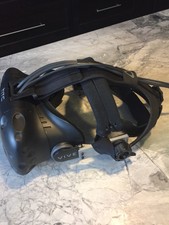


Companies and students who want to test an autonomous vehicle at the University of Michigan have the excellent Mcity simulated urban environment. But if you wanted to test a drone, your options were extremely limited — think “at night in a deserted lecture hall.” Not anymore: the school has just opened its M-Air facility, essentially a giant netted playground for UAVs and their humans.
It may not look like much to the untrained eye, and certainly enclosing a space with a net is considerably less labor-intensive than building an entire fake town. But the benefits are undeniable.
Excited students at a school like U-M must frequently come up with ideas for drone control systems, autonomous delivery mechanisms, new stabilization algorithms and so on. Testing them isn’t nearly as simple, though: finding a safe, controlled space and time to do it, getting the necessary approvals and, of course, containing the fallout if anything goes wrong — tasks like these could easily overwhelm a few undergrads.
M-Air serves as a collective space that’s easy to access but built from the ground up (or rather, the air down) for safe and easy UAV testing. It’s 80 by 120 feet and five stories tall, with a covered area that can hold 25 people. There are lights and power, of course, and because it’s fully enclosed it technically counts as “indoor” testing, which is much easier to get approval for. For outdoor tests you need special authorization to ensure you won’t be messing with nearby flight paths.
We can test our system as much as we want without fear of it breaking, without fear of hurting other people,” said grad student Matthew Romano in a U-M video. “It really lets us push the boundaries and allows us to really move quickly on iterating and developing the system and testing our algorithms.”
And because it’s outside, students can even test in the lovely Michigan weather.
“With this facility, we can pursue aggressive educational and research flight projects that involve high risk of fly-away or loss-of-control — and in realistic wind, lighting and sensor conditions,” said U-M aerospace engineering professor Ella Atkins.
I feel for the neighbors, though. That buzzing is going to get annoying.


SpaceX has a green light from the FCC to launch a network of thousands of satellites blanketing the globe with broadband. And you won’t have too long to wait — on a cosmic scale, anyway. Part of the agreement is that SpaceX launch half of its proposed satellites within six years.
The approval of SpaceX’s application was not seriously in doubt after last month’s memo from FCC Chairman Ajit Pai, who was excited at the prospect of the first U.S.-based company being authorized to launch a constellation like this.
“I have asked my colleagues to join me in supporting this application and moving to unleash the power of satellite constellations to provide high-speed Internet to rural Americans,” he wrote at the time. He really is pushing that “digital divide” thing. Not that Elon Musk disagrees:
SpaceX COO Gwynne Shotwell echoed the sentiment in a statement provided to TechCrunch:
We appreciate the FCC’s thorough review and approval of SpaceX’s constellation license. Although we still have much to do with this complex undertaking, this is an important step toward SpaceX building a next-generation satellite network that can link the globe with reliable and affordable broadband service, especially reaching those who are not yet connected.
The proposed service, which will be called Starlink, was opposed by several existing satellite operators like OneWeb and Spire. They’re rightly concerned that another operator in space — especially one that wants to launch thousands of satellites — will crowd both spectrum and orbit.
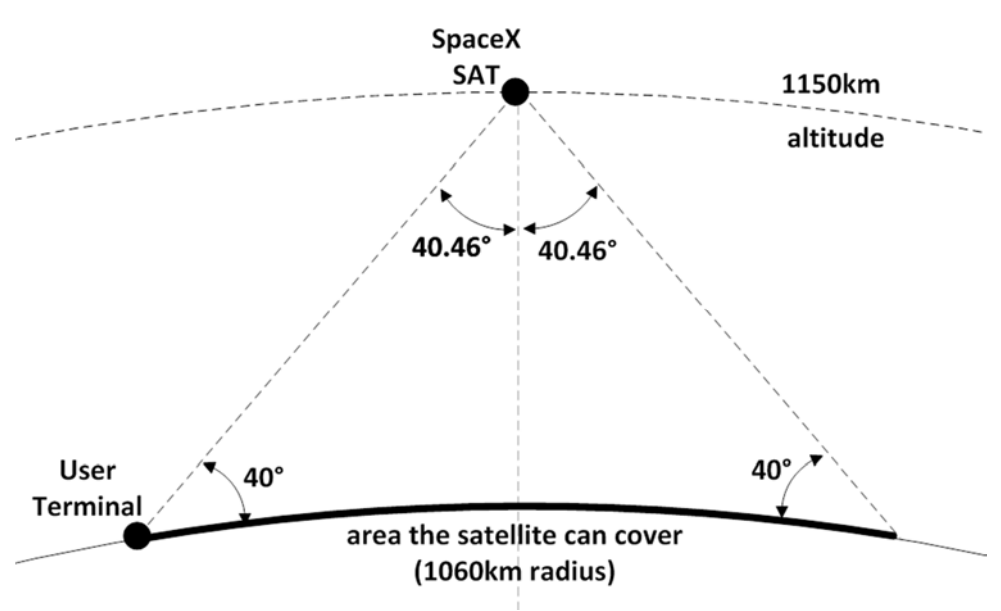
Illustration of SpaceX satellite coverage from the FCC application
OneWeb, for example, said that SpaceX satellites shouldn’t be allowed to be deployed within 125 kilometers of altitude of its own. You do want to avoid interference, but really, it’s too much to ask for a 150-mile buffer zone around your gear.
One objection that did carry water, however, was the request for an extensive orbital debris mitigation plan.
The unprecedented number of satellites proposed by SpaceX and the other [non-geostationary orbit fixed-satellite service] systems in this processing round will necessitate a further assessment of the appropriate reliability standards of these spacecraft, as well as the reliability of these systems’ methods for deorbiting the spacecraft.
So SpaceX will have to provide more studies on this by the time it finalizes its designs and starts launching.
And that will have to be fairly soon. To move things along, the FCC requires SpaceX to get underway in a hurry or else, presumably, it will have to be reauthorized:
SpaceX must launch 50 percent of the maximum number of proposed space stations, place them in the assigned orbits, and operate them in accordance with the station authorization no later than March 29, 2024.
The company has already launched test versions of the satellites, but the full constellation will need to go out more than two at a time. SpaceX eventually plans to launch 12,000 of the things, but this authorization is for the high-altitude group of 4,425; a separate authorization is necessary for the remaining number, since they’ll be operating at a different altitude and radio frequency.
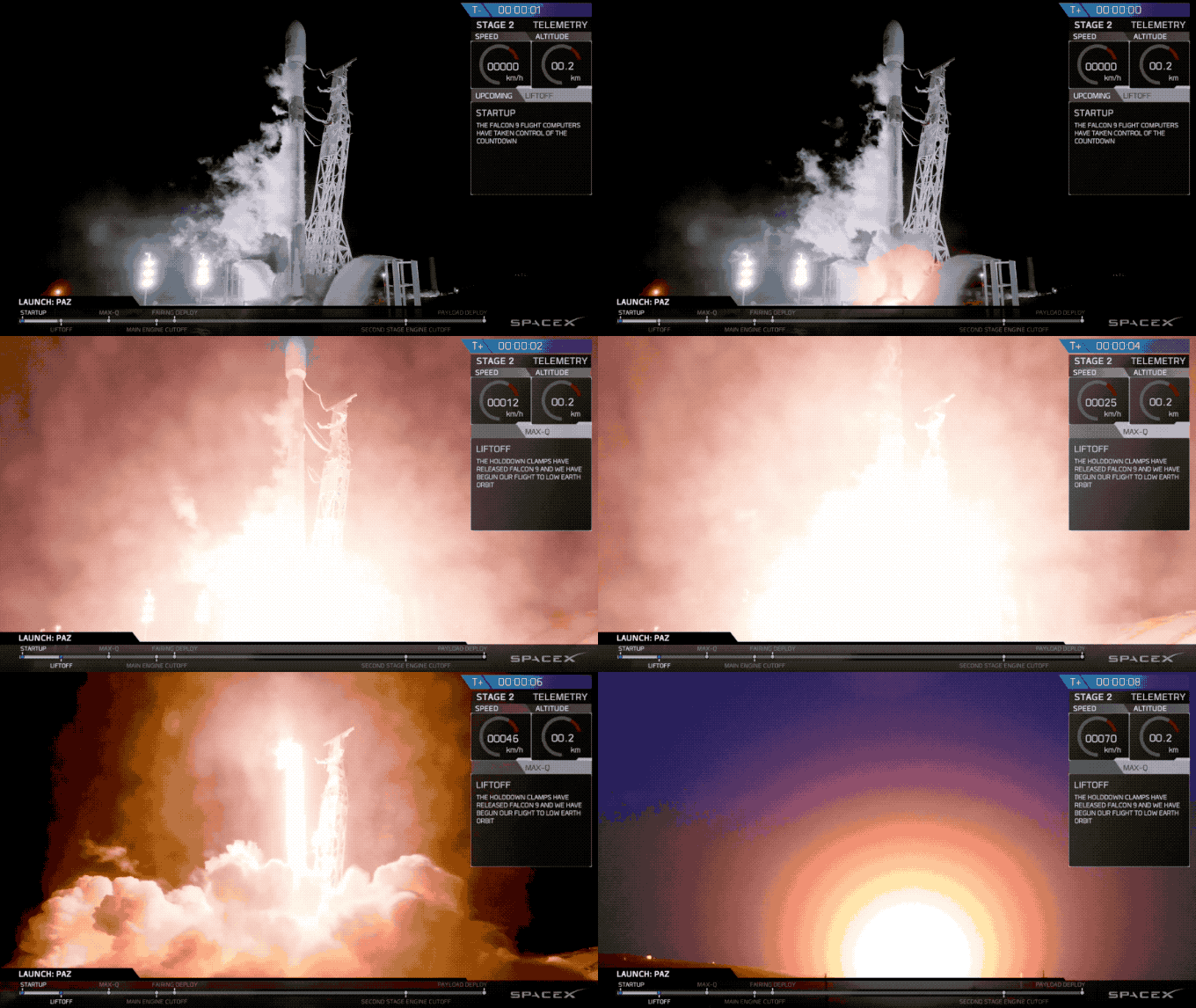
The Falcon 9 carrying SpaceX’s test Starlink satellites launches on February 22
Commissioner Rosenworcel, in a separate statement, also called for a general revisiting of regulations around commercial space.
“This rush to develop new space opportunities requires new rules,” she writes. “Despite the revolutionary activity in our atmosphere, the regulatory frameworks we rely on to shape these efforts are dated. Across the board, we need to prepare for the proliferation of satellites in our higher altitudes. In short, we have work to do.”


Apple just released an iOS update for your iPhone and iPad. 11.3 introduces a ton of bug fixes but also a bunch of new features. If you forgot about Animjois, today is your lucky day as Apple is adding four new Animojis — a dragon, a bear, a lion and a skull.
But that’s not all. Apple already shared a preview of iOS 11.3 a couple of months ago. There’s a big ARKit update to ARKit 1.5. It can recognize more objects and surfaces.
And iOS 11.3 is also the battery update we’ve all been waiting for. There’s some new info in the settings about the status of your battery. It tells you the overall capacity and if it’s time to change your battery.
You can also choose to disable Apple’s controversial decision to throttle performance with old batteries. Apple says it’s a beta feature for now.
Apple is also introducing a new feature in the Health app. You can now centralize all your health records in the app. It’s only limited to a handful of clinics for now.
Apple is adding customer support conversations to Messages. You can initiate a conversation with a business to order something, book a table and more. Discover, Hilton, Lowe’s and Wells Fargo are already on board. Health Records and Business Chats are only available in the U.S. as a beta for now.
You’ll also see a new privacy icon across the operating system. A new website to export all your data is coming in May as well. Apple needs to add those features to comply with GDPR.
Finally, Apple Music is getting a new video clips section, the App Store Updates tab now shows you the size of each update and more tiny little things. And if you care about security, it’s always a good thing to update to the latest version of iOS. Unfortunately, iOS 11.3 still doesn’t include iMessage in iCloud.
Back up your iPhone or iPad to iCloud or your computer using iTunes before updating. You can then head over to the Settings app, then ‘General’, then ‘Software Update’. macOS, watchOS and tvOS updates are also available today.


Festo’s flashy biomimetic robots are more or less glorified tech demos, but that doesn’t mean they aren’t cool. The engineering is still something to behold, although these robot critters likely won’t be doing any serious work. Its latest units move in imitation of two unusual animals: a tumbling spider and a flying fox (think big bat).
The BionicWheelBot, when walking, isn’t anything we haven’t seen before: hexapodal locomotion has been achieved by countless roboticists — one recent project even attempted to capture the spontaneity of an insect’s gait.
But its next trick is new, at least if you haven’t watched the Star Wars prequels. It uses the legs on each side to form a wheel and propels itself with the last pair. Useful for getting downhill or blowing in the wind, as some spiders and insects in fact do.
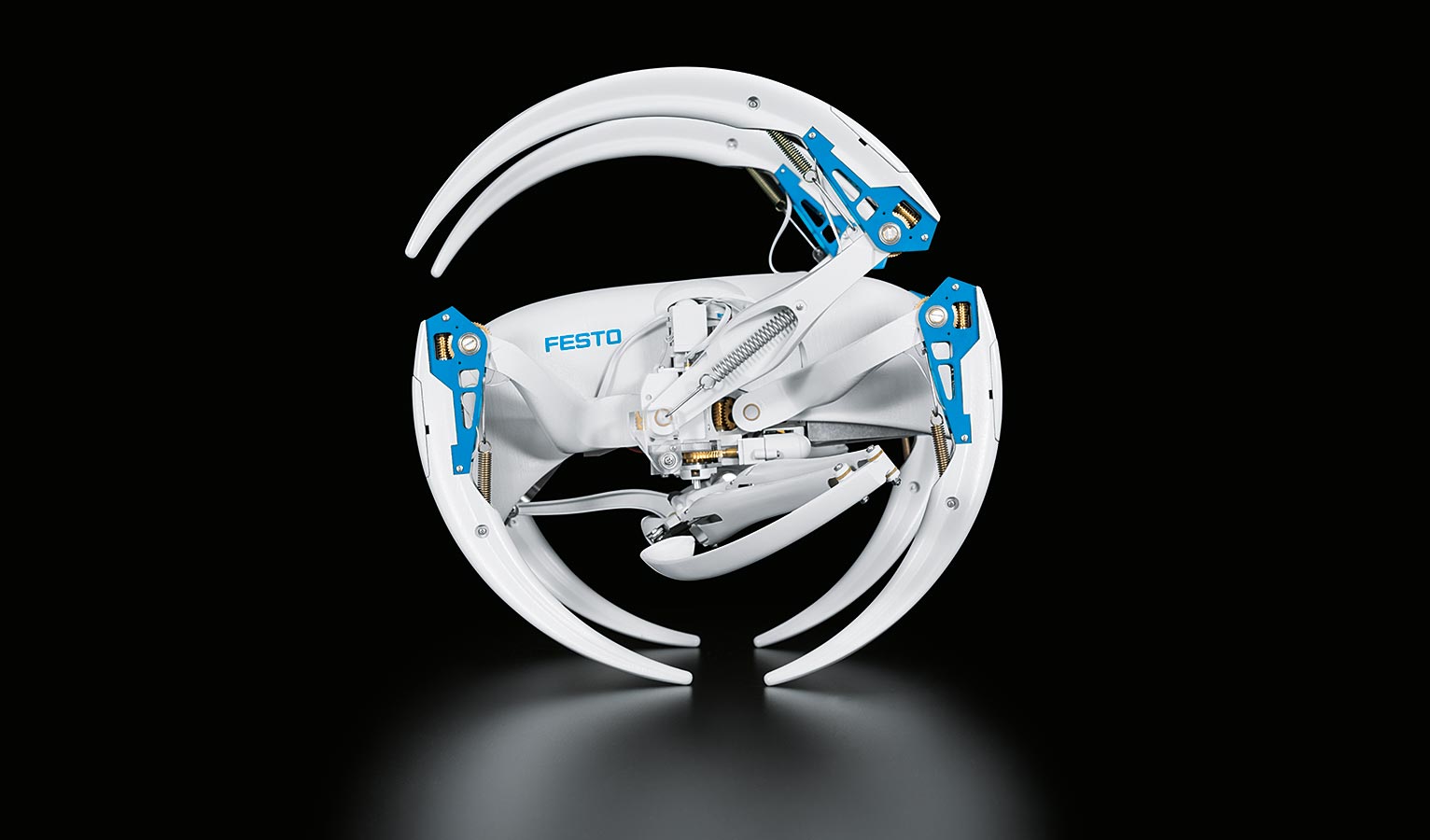 It looks as if it can get going quite fast, and although it seems to me it would be in a fix if knocked over, it had no problem dropping off the end of the table and rolling on in the Festo video.
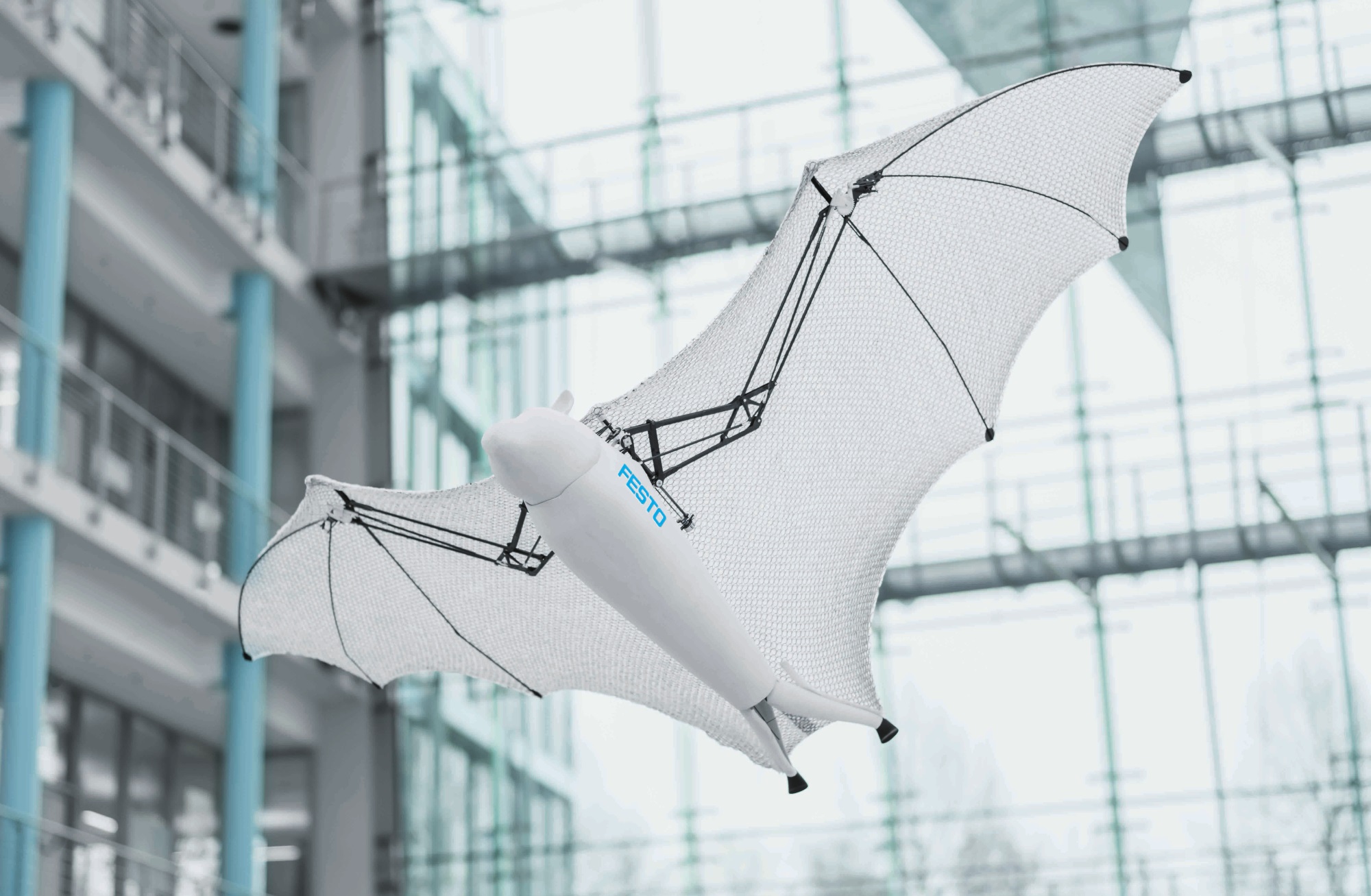 The other robo-critter is the BionicFlyingFox, modeled on the enormous fruit bats bearing that name. Like all flying creatures there is a great emphasis on lightness and simplicity, allowing this robot (like its distant forebear, Festo’s bird) to flap around realistically and stay aloft for a time.
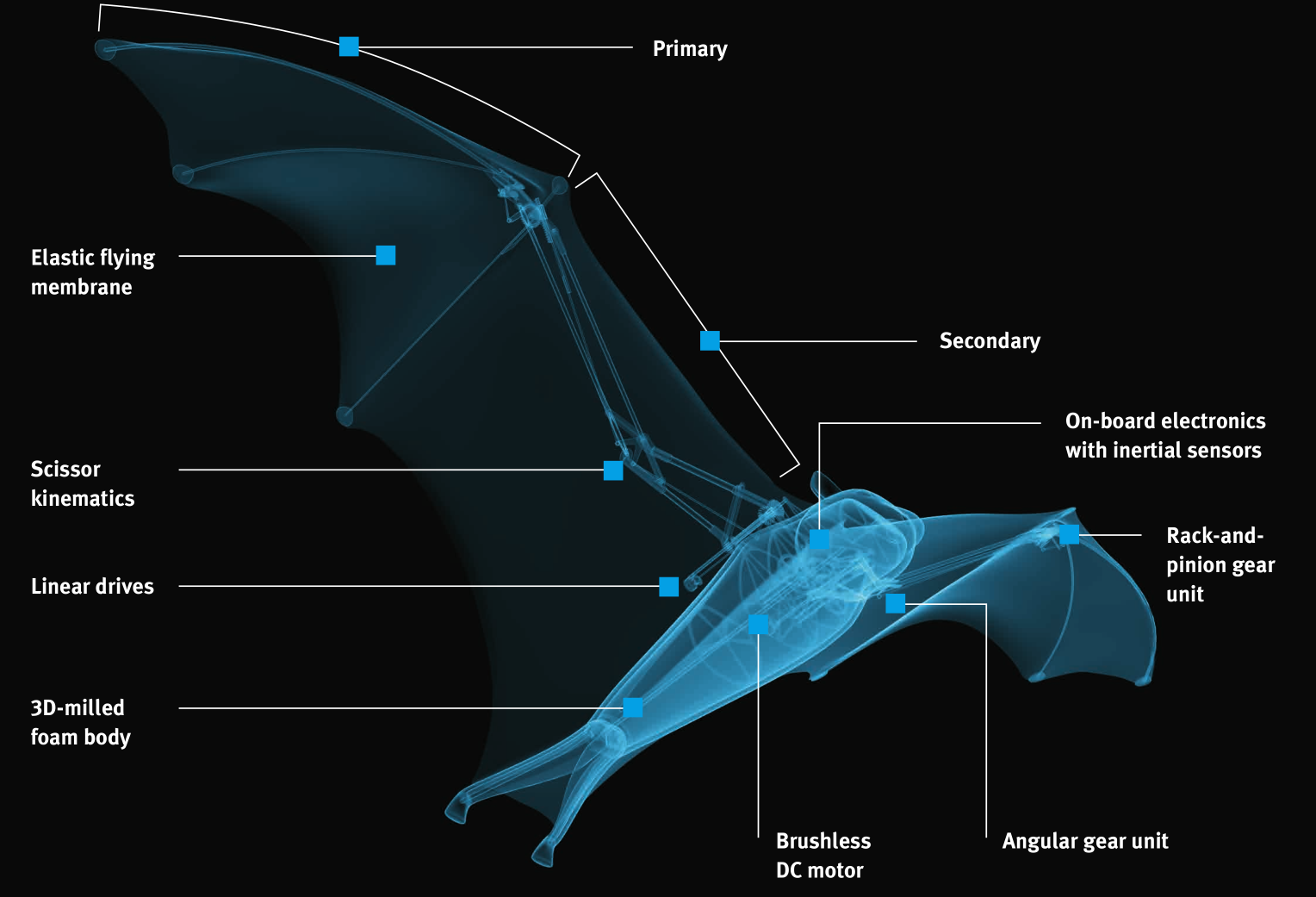 In imitation of the strong but light and flexible membrane that forms flying mammals’ wings, the Festo bot uses a modified elastane material (sort of a super-Spandex) that’s airtight and won’t crease or rip.
If you’re lucky, you might see one of these majestic robeasts demonstrated at a robotics conference one day.


